What is Auto Salvage and How Can It Benefit Buyers?
Auto salvage is a critical component of the automotive industry, playing a unique role in vehicle recycling and parts availability. According to the Automotive Recyclers Association, over 4 million vehicles are recycled annually in the U.S. alone. This not only reduces waste but also provides cost-effective options for buyers seeking quality auto parts. Buyers often find significant savings by acquiring components from salvage yards compared to new parts.
The auto salvage industry thrives on both environmental and economic benefits. Salvaged parts can be up to 70% cheaper than new parts. Reliable statistics show that this market is growing as consumers become more eco-conscious. However, not all salvage yards operate on the same standards. It is essential for buyers to do their research and seek reputable dealers.
Despite the advantages, challenges exist. Some parts might have hidden damages or questionable histories. Verification of part conditions is crucial for ensuring safety and reliability in vehicle repairs. Buyers must navigate this landscape carefully to reap the full benefits of auto salvage while avoiding potential pitfalls.
Understanding Auto Salvage: Definition and Overview
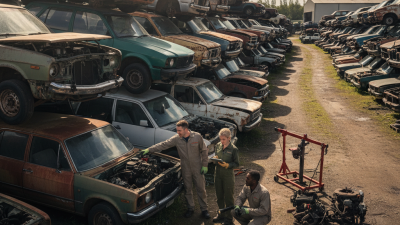
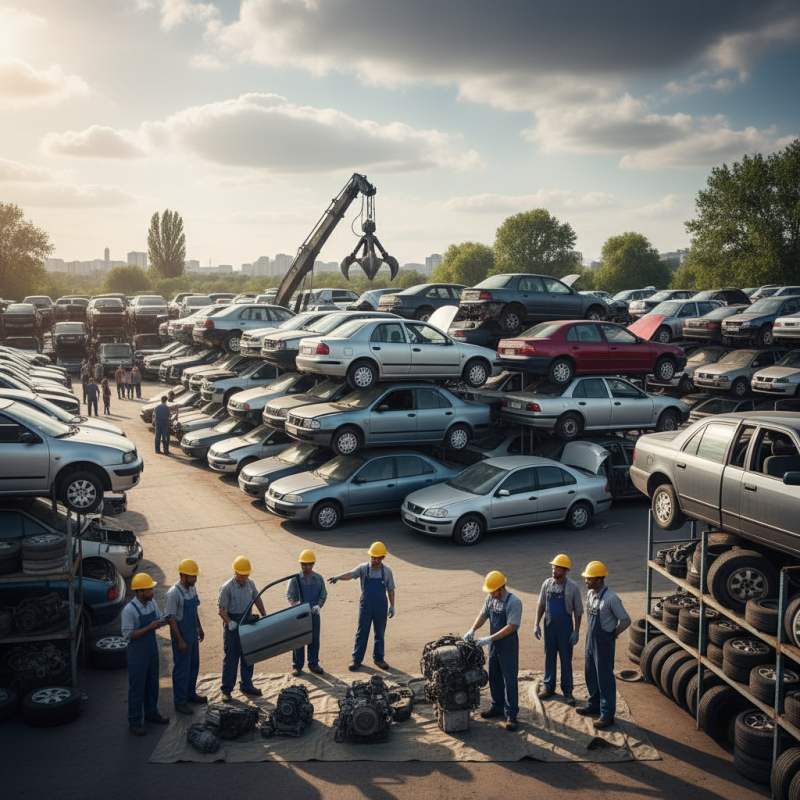
Auto salvage refers to the process of recovering usable parts from wrecked or discarded vehicles. This practice not only benefits the environment by reducing waste but also provides a cost-effective solution for buyers looking for vehicle parts. Knowing how to navigate the world of auto salvage can lead to significant savings and valuable finds.
Understanding auto salvage means knowing where to look. Salvage yards are often treasure troves filled with parts. These parts vary in condition, so it’s essential to carefully inspect each item. Researching the vehicle's specifications can help in identifying compatible components. Always ask questions about the part’s history. Not all parts are made equal, and you want to ensure quality.
Tips: Look for warranties or guarantees. Some salvage yards offer limited warranties on parts. It can also be beneficial to learn basic car mechanics. This knowledge allows you to assess the parts better. Remember, purchasing from a salvage yard can sometimes feel overwhelming. Take your time and don't rush into decisions.
Auto Salvage Benefits for Buyers
The Process of Auto Salvage: How It Works Step-by-Step
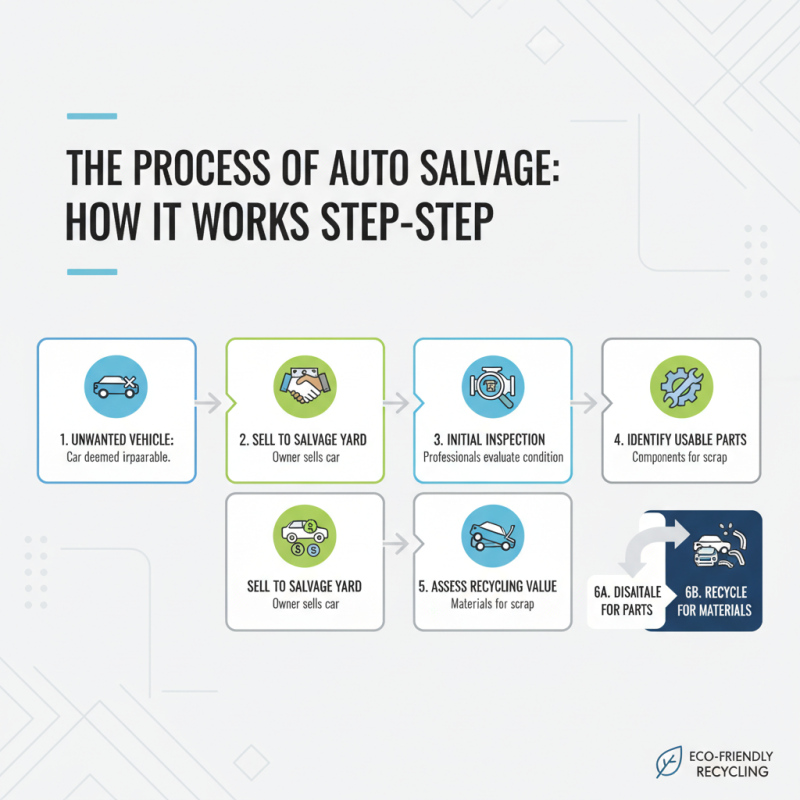
The auto salvage process is a systematic approach to recycling cars. It begins when a vehicle is deemed unrepairable or no longer needed. The owner can sell the car to a salvage yard, where trained professionals evaluate its condition. They identify usable parts and assess the overall value. This initial inspection is crucial. It helps determine whether the vehicle can be dismantled for parts or recycled for materials.
Once a decision is made, the vehicle is taken apart piece by piece. Each component is checked thoroughly for quality. Parts like engines, transmissions, and even small items can be resold. Salvage yards often create an inventory of available items, aiding buyers in finding specific parts. It's an organized process, but the variability in vehicle conditions can lead to surprises. Not all components are salvageable, and some may require additional repairs before resale.
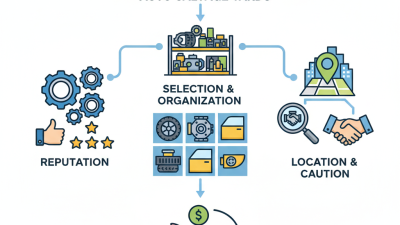
For buyers, auto salvage can be an economical option. Purchasing parts from salvage yards is often cheaper than buying new. However, caution is necessary. Not all salvaged items meet quality standards. It's essential to verify the condition and compatibility with your vehicle. This step increases reliability, but it requires diligence. Engaging with knowledgeable staff at salvage yards can also help in making informed choices.
Benefits of Buying from Auto Salvage Yards for Consumers
Auto salvage yards offer significant benefits for consumers looking to save money on vehicle parts and even whole vehicles. According to industry statistics, up to 70% of parts from salvage vehicles can be reused or recycled, allowing buyers to obtain quality components at a fraction of retail prices. Many consumers report saving as much as 50-80% when purchasing parts from these yards. This not only reduces repair costs but also supports environmental sustainability by minimizing waste.
One key advantage of buying from auto salvage yards is the variety of options available. You can find a diverse range of makes and models, which often include rare or discontinued parts. Many yards maintain detailed inventories, making it easier to locate specific items. However, it’s crucial to inspect parts thoroughly, as the condition may vary. Some parts may have wear and tear, potentially leading to unexpected expenses down the line.
**Tips**: Always inquire about warranties on parts. Some salvage yards offer limited warranties, giving you peace of mind. Additionally, ask for any available history on the parts you’re purchasing. Understanding their previous usage can guide your decision-making, helping you avoid future regret. Be cautious and do your research to make informed purchases.
What is Auto Salvage and How Can It Benefit Buyers?
| Aspect |
Description |
Benefits |
| Cost Savings |
Purchasing used auto parts from salvage yards can save significant money compared to new parts. |
Lower repair costs for vehicles. |
| Environmentally Friendly |
Recycling old vehicles helps reduce waste and the impact on the environment. |
Supports sustainable practices and reduces landfill use. |
| Variety of Parts |
Salvage yards often have a wide range of makes and models available for parts. |
Increased chances of finding rare or specific parts that are no longer in production. |
| Quality Assurance |
Many salvage yards offer tested and certified parts. |
Reduces the risk of purchasing faulty components. |
| Warranty Options |
Some salvage yards provide warranties on parts sold. |
Added peace of mind for buyers. |
| Expert Guidance |
Staff can offer advice on part compatibility and installation. |
Helps consumers make informed purchasing decisions. |
Key Considerations When Purchasing Salvaged Vehicles
When considering the purchase of salvaged vehicles, it’s crucial to understand their condition. A vehicle marked as salvaged has typically undergone significant damage. This could be from an accident or natural disaster. Buyers should examine the vehicle's repair history and assess the extent of the damage. It’s essential to obtain a vehicle history report. This document reveals important details that might not be immediately visible.
Another important consideration is the cost of repairs. Many salvaged vehicles require extensive work before they are roadworthy. Estimating repair costs upfront is vital. This helps in making an informed decision on whether the vehicle is a good deal. Additionally, spending on repairs can quickly surpass the vehicle’s market value.
Lastly, buyers should be cautious of resale potential. Salvaged vehicles can be difficult to sell later on. Many buyers prefer cars with a clean title. It’s also worth noting that some insurance companies may offer limited coverage for salvaged vehicles. Be sure to check your insurance options before making a purchase. Overall, while salvaged vehicles can offer significant savings, they require careful consideration and research.
Environmental Impact of Auto Salvage and Its Importance
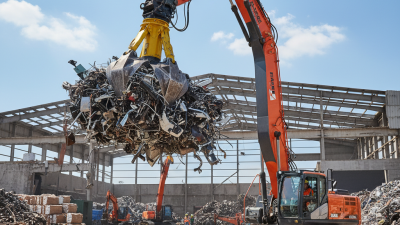
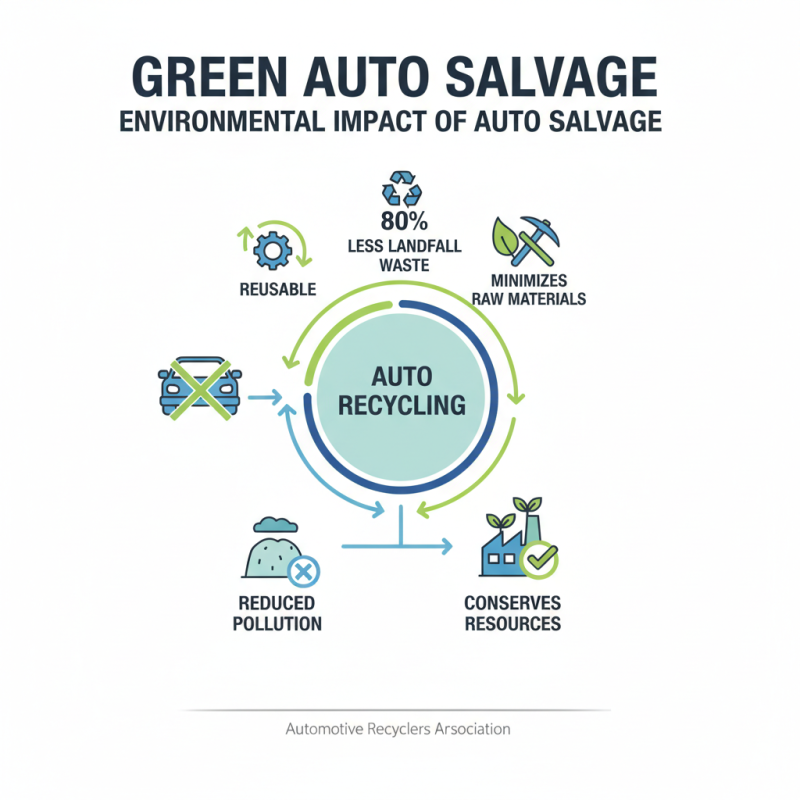
The environmental impact of auto salvage is significant. Salvaging vehicles allows for the recovery of materials that can be reused. According to the Automotive Recyclers Association, approximately 80% of a vehicle is recyclable. This leads to reduced waste in landfills. It also minimizes the need for raw materials, which can hurt the environment through extraction processes.
By recycling car parts, we can save energy and reduce emissions. The Institute of Scrap Recycling Industries reported that recycling one ton of steel saves 2,500 pounds of iron ore. Additionally, it's estimated that recycling metal generates about 70% less carbon dioxide compared to producing new metal. However, the practice must be managed properly. Poorly regulated salvage operations can lead to leaks and toxic spills, which pose risks to local ecosystems.
Auto salvage not only benefits the environment but also supports the economy. It creates jobs in recycling and parts manufacturing. Many communities rely on these businesses to sustain livelihoods. Yet, the challenge remains to ensure all auto salvage is performed sustainably. Continuous efforts in environmental management are necessary to maximize benefits while minimizing risks to our planet.