2026 Best Practices for Green Circle Demolition in Sustainable Construction?
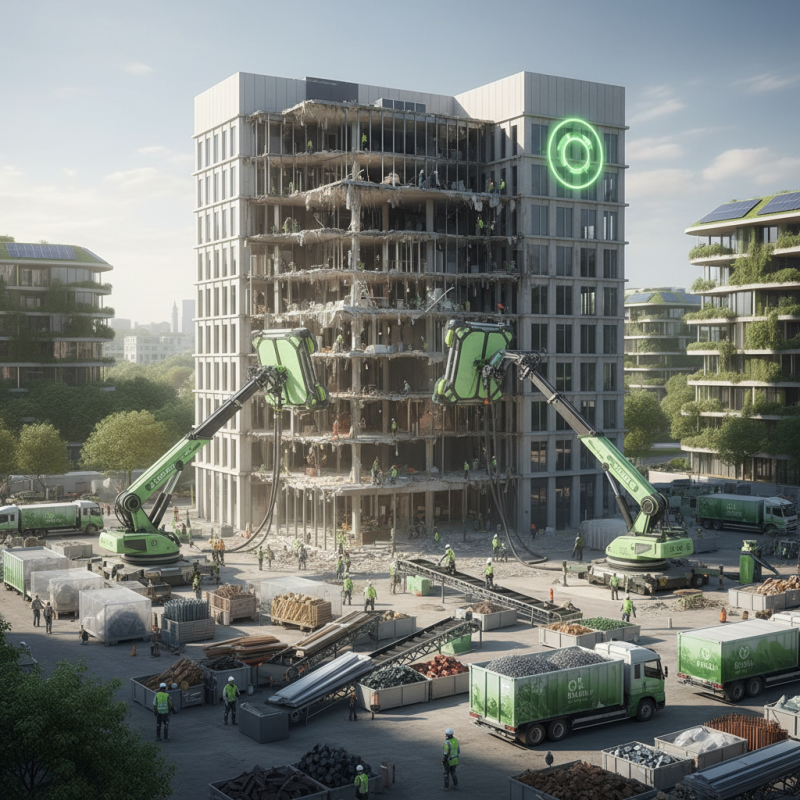
In the construction industry, sustainability is crucial. The concept of "Green Circle Demolition" emerges as a vital practice. This method focuses on reducing waste and promoting recycling. It involves carefully dismantling structures rather than demolishing them outright. This approach conserves materials and decreases environmental impact.
Implementing Green Circle Demolition requires training and awareness. Workers need to understand the importance of salvaging materials. Each project offers unique challenges, like unexpected structural issues. These complexities can lead to waste if not managed properly. Reflecting on past projects, many companies face difficulties in executing these practices effectively. The need for innovation and adaptability is evident.
In 2026, best practices for Green Circle Demolition will evolve. Collaboration among stakeholders will be essential. Emphasizing communication can lead to better decision-making. Still, the industry must grapple with questions of efficiency and cost-effectiveness. Balancing environmental responsibility with budget constraints remains a point of contention.
Best Practices for Green Circle Demolition in Sustainable Construction
Sustainable construction is evolving.
Green Circle Demolition is a growing focus. This approach prioritizes minimizing waste and maximizing resource recovery.
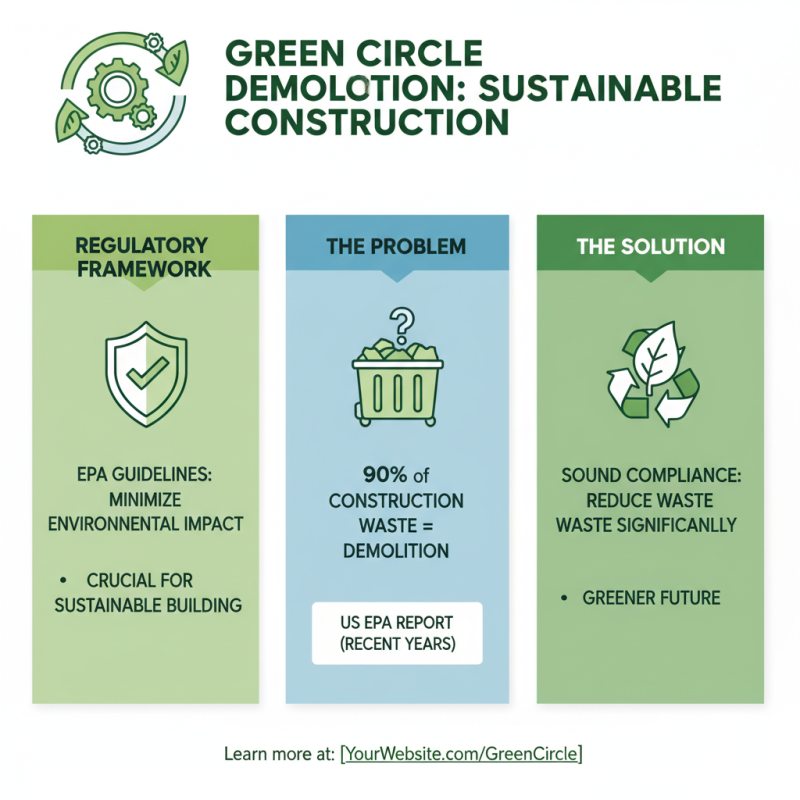
According to a report by the U.S. Environmental Protection Agency, construction and demolition (C&D) debris accounts for nearly 25% of the total waste stream.
This statistic highlights the necessity of efficient demolition practices.
Implementing best practices in Green Circle Demolition involves careful planning and execution.
Deconstruction, rather than demolition, allows for salvaging materials.
Reports indicate that up to 90% of building materials can be recovered if deconstruction methods are applied.
This reduces landfill waste and supports a circular economy. However, not every company embraces this approach.
Many still opt for traditional methods, ignoring the potential benefits.
Safety is a primary concern during demolition.
Workers need proper training to handle materials safely and sustainably. A lack of awareness about environmental impacts can lead to poor practices.
A significant percentage of contractors still underestimate the value of reusing materials.
This mindset needs to shift for meaningful progress in sustainable construction.
Balancing efficiency and sustainability is crucial; focusing solely on speed can create long-term ecological harm.
Understanding Green Circle Demolition: Key Concepts and Definitions
Green Circle Demolition focuses on environmentally friendly practices in construction. It emphasizes recycling materials from old buildings to reduce waste and lower carbon footprints. According to the U.S. Environmental Protection Agency, construction and demolition debris accounts for about 25% of the total waste in landfills. This highlights the urgency of adopting more sustainable approaches in the industry.
Key concepts in Green Circle Demolition include resource recovery and circular economy. Instead of traditional demolition, this process aims to reclaim valuable materials. Steel, concrete, and wood can often be reused or recycled. A report from the Ellen MacArthur Foundation shows that transitioning to a circular economy can unlock $4.5 trillion in economic benefits by 2030. However, the challenge remains in changing industry standards and mindsets.
Implementing these practices is not without obstacles. One significant issue is the inconsistent regulations across regions. Local laws can hinder effective material recovery. Additionally, the lack of trained professionals in sustainable demolition leads to unoptimized processes. It’s crucial for industry participants to invest in training and education. There’s also a need for collaborative efforts among stakeholders to establish clear guidelines for Green Circle Demolition.
Essential Techniques for Sustainable Material Recovery and Recycling
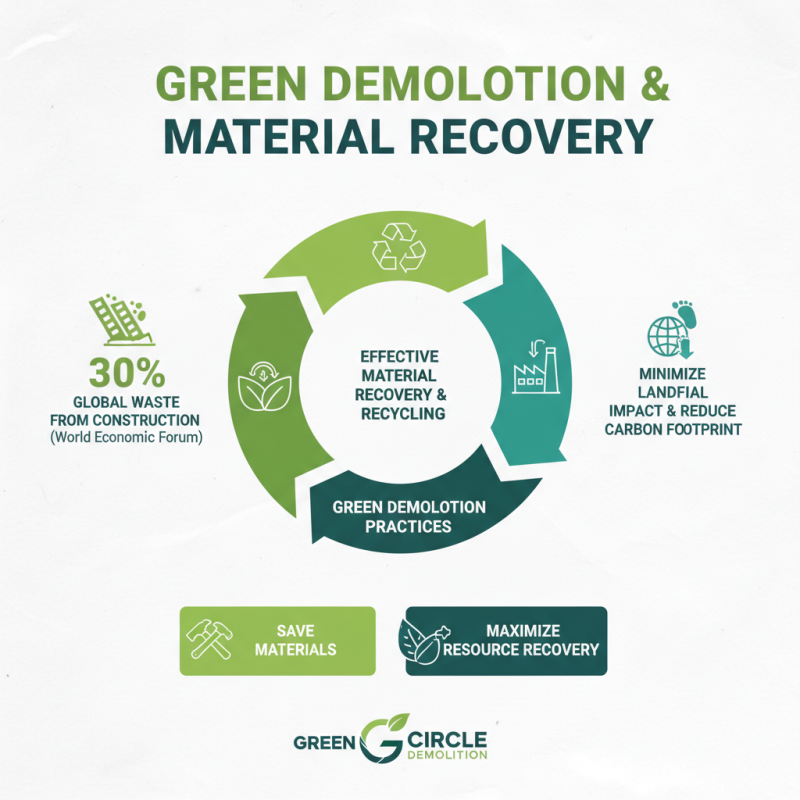
In sustainable construction, effective material recovery and recycling are crucial. According to the World Economic Forum, over 30% of global waste comes from construction. This emphasizes the need for green demolition practices. Green Circle Demolition focuses on minimizing landfill impact and maximizing resource recovery. The goal is to save materials and reduce carbon footprints.
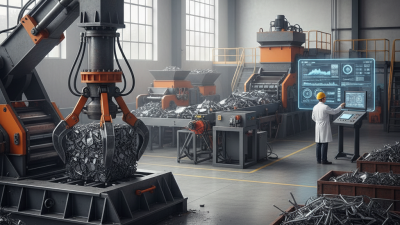
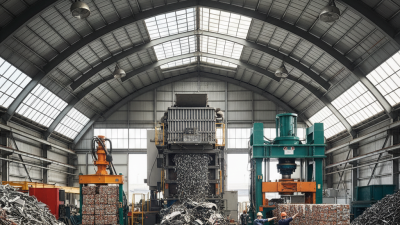
When demolishing, consider sorting materials on-site. Separate metal, wood, and concrete for recyclability. The EPA reports that recycling concrete can save up to 60% of the energy needed for new production. This simple step can significantly lower greenhouse gas emissions. Another technique involves renting equipment designed for efficient separation.
Tip: Educate your team about recyclable materials. Awareness increases recovery rates and promotes a sustainable mindset. Focus on reusing items from the structure, such as doors and fixtures. It’s a tangible way to practice sustainability while conserving resources. Reducing waste is a constant battle, and continuous improvement is necessary. Reflect on the methods used and adjust them for better outcomes.
Environmental Impacts of Traditional Versus Green Circle Demolition
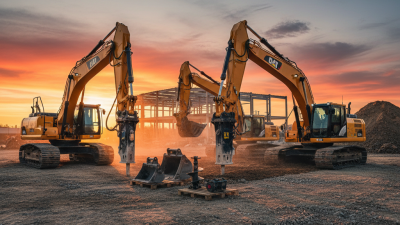
Traditional demolition methods have significant environmental impacts. They often generate extensive waste and emissions. Heavy machinery contributes to air pollution. Materials like concrete and steel end up in landfills, causing soil and water pollution. The pressing need for sustainable construction has led to the rise of green circle demolition. This practice emphasizes reducing waste and reusing materials.
Tips: Consider salvaging fixtures and finishes during demolition. This can lower waste. Work with professionals who prioritize eco-friendly practices. They can guide you in resource recovery and recycling efforts.
Unfortunately, not all demolition projects embrace green practices. Many still overlook the potential for sustainable solutions. Proper planning can minimize negative outcomes. Assessing a building’s materials ahead of time is crucial. Identifying recyclable components makes a difference. Effective planning can ensure minimal environmental disruption. Implementing green circle demolition is more than a trend; it's a necessary shift in construction practices.
Conclusion
The article "2026 Best Practices for Green Circle Demolition in Sustainable Construction" delves into the innovative approach of Green Circle Demolition, which prioritizes sustainable practices in the demolition process. It begins by defining key concepts and outlining the essential techniques for effective material recovery and recycling, emphasizing the importance of minimizing waste and promoting environmental sustainability.
Additionally, the article contrasts the environmental impacts of traditional demolition methods with those of Green Circle Demolition, highlighting the significant reductions in ecological footprints achieved through the latter. Regulatory frameworks and compliance measures necessary for successful implementation are also discussed, reinforced by compelling case studies that demonstrate successful applications of these practices. Overall, the article serves as a comprehensive guide for professionals seeking to enhance their expertise in sustainable demolition techniques.