Finding the Best Recycling Center for Sustainable Sourcing?
In an era where sustainability is paramount, choosing the right Recycling Center can significantly impact your sourcing strategies. Research from the National Recycling Coalition indicates that effective recycling programs can reduce landfill waste by up to 75%. These centers not only help in waste management but also facilitate the recovery of valuable materials.
However, not all recycling facilities are created equal. Factors such as efficiency, technology, and community engagement vary widely among different centers. A recent study by the Environmental Protection Agency (EPA) highlighted that only 34% of Americans have access to convenient recycling options. This discrepancy calls for reflection on how we choose our recycling partners.
With the increasing demand for sustainable sourcing, businesses must evaluate their recycling options critically. A well-selected Recycling Center can lead to substantial cost savings and environmental benefits. Nonetheless, understanding the nuances of different centers can be challenging and deserves careful consideration.
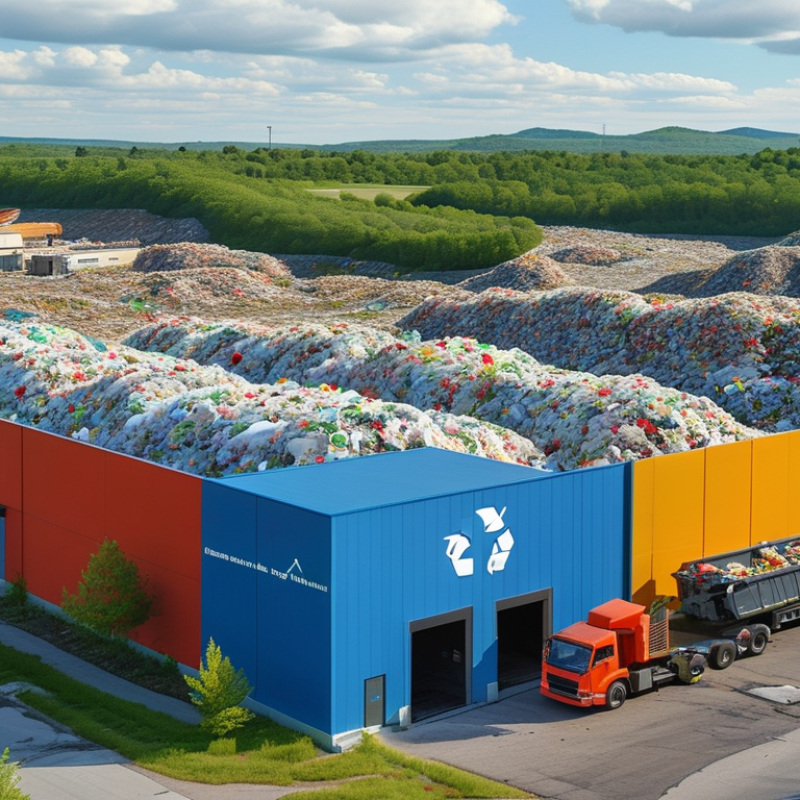
Identifying Key Factors in Selecting a Recycling Center
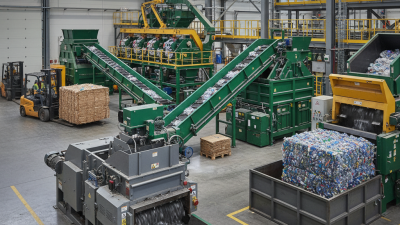
When selecting a recycling center, several key factors must be considered. First, evaluate the center's processing capabilities. Not all centers handle the same materials effectively. For instance, recent studies show that only 30% of recyclable plastics are processed correctly. A center's technology can greatly influence this outcome.
Next, look for certifications. A reputable recycling center should be certified by recognized bodies. These certifications ensure they adhere to industry standards. According to the National Recycling Coalition, certified centers are 40% more likely to implement effective recycling practices. However, be wary, as not all certifications guarantee sustainability.
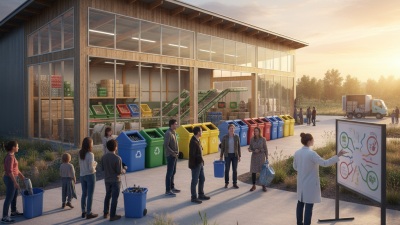
Community engagement is another important factor. A center that collaborates with local businesses and organizations promotes broader recycling awareness. Nevertheless, many centers lack effective outreach programs. Data from the EPA suggests that community-focused centers achieve higher recycling rates, often exceeding 50%.
Finally, investigate their transparency regarding processes and outcomes. A reliable recycling center openly shares its metrics. Unfortunately, many centers do not provide adequate reports. Assessing these factors will lead to more sustainable sourcing choices.
Evaluating Recycling Center Certifications and Compliance Standards
When seeking a recycling center, certifications and compliance standards are crucial. Reliable centers often adhere to established benchmarks like ISO 14001. This standard ensures an organization’s environmental management is effective. According to a 2022 industry report, facilities that meet such criteria can reduce waste production by up to 30%.
Evaluating recycling centers also involves checking for local and national compliance. Regions have specific regulations guiding recycling practices. Facilities that do not comply risk legal action and poor sustainability outcomes. Studies show that non-compliant centers can harm local ecosystems, releasing pollutants into the environment.
Understanding certifications can be complex. Some centers may claim compliance, but lack verified credentials. Transparency is key here. Requesting transparency in operations can help illuminate their practices. Industry data reveals that fully compliant centers contribute significantly to circular economies. Their role in material recovery is vital for sustainable sourcing. However, consumers and businesses must remain vigilant, ensuring they choose responsible partners.
Recycling Center Certifications and Compliance Standards
Assessing the Types of Materials Accepted by Recycling Facilities
When evaluating recycling centers, it is essential to understand the materials they accept. Many facilities have specific categories, such as plastics, metals, and e-waste. According to the EPA, approximately 35% of plastic packaging was recycled in 2021, revealing a gap in recycling methods. The types of accepted materials can significantly impact a community's recycling rates.
Understanding what a facility will take is crucial. For instance, some centers may not accept certain plastics, like polystyrene. This omission can lead to frustrated residents. Reports indicate that only 9% of plastics were recycled in the U.S. in 2020. The types of materials accepted often dictate whether individuals will participate in recycling programs. This inconsistency prompts questions about the effectiveness of local recycling efforts.
It is also worth reflecting on the education around accepted materials. Many people may not know how to correctly dispose of items like batteries or old electronics. Inadequate awareness can lead to contamination of recyclable materials. Data shows that contamination is a leading cause for rejection at recycling facilities. This reality highlights the need for improved communication about what materials are acceptable and the importance of responsible recycling habits.
Exploring Location and Accessibility Considerations for Recycling
When choosing a recycling center, location and accessibility are crucial. According to the Environmental Protection Agency (EPA), about 75% of waste is recyclable, yet only about 30% gets recycled. A recycling center that is easy to reach can significantly increase participation rates. Convenient locations help engage communities, leading to higher recycling volumes.
Accessibility also includes operational hours and transportation options. Research shows that centers open during evenings or weekends attract more users. Moreover, centers close to public transit are more likely to be utilized. Accessibility features, like drive-through options, can further enhance user experience.
Despite the clear benefits, finding the right balance is challenging. Not all centers meet accessibility standards. Some are tucked away in industrial areas, making them difficult for residents to access. Difficulties can lead to lower participation and missed opportunities for recycling. Engaging with local communities can help identify these barriers. Understanding community needs is vital for effective recycling initiatives.
Finding the Best Recycling Center for Sustainable Sourcing? - Exploring Location and Accessibility Considerations for Recycling
| Recycling Center Location |
Accessibility Rating |
Operating Hours |
Materials Accepted |
Distance from City Center (miles) |
| Location A |
4/5 |
Mon-Fri: 8am - 5pm |
Plastics, Metals, Paper |
5 |
| Location B |
3/5 |
Mon-Sat: 9am - 6pm |
Electronics, Glass |
12 |
| Location C |
5/5 |
Fri-Sun: 10am - 4pm |
Plastics, Glass, Organic Waste |
3 |
| Location D |
2/5 |
Mon-Fri: 7am - 3pm |
Metals, Paper |
8 |
Understanding the Impact of Recycling on Sustainable Sourcing
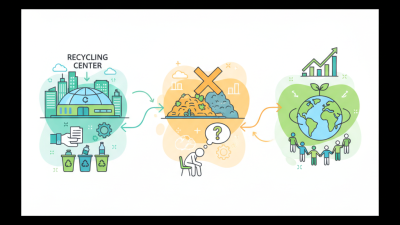
Recycling plays a significant role in sustainable sourcing. It reduces the demand for new raw materials. This, in turn, lowers energy consumption and greenhouse gas emissions. A successful recycling program can also foster local economies. Communities can benefit from job creation and resource availability.
However, not all recycling centers operate at the same standard. Some facilities lack technology or certification. This inconsistency can negatively impact the quality of recycled materials. Understanding the recycling center’s processes is crucial. Transparency in operations builds trust and ensures higher recycling rates.
Choosing the right recycling center requires careful evaluation. Look for facilities that emphasize quality and have a proven track record. Evaluate their environmental practices and community engagement. It is vital to reflect on the long-term benefits of your choice. A responsible decision today can lead to a more sustainable future.