10 Best Tips for Recycling Aluminum Effectively?
Recycling Aluminum plays a vital role in sustainability. This process conserves energy and natural resources. However, many still struggle with effective recycling practices.
Aluminum is one of the most recyclable materials available. Yet, improper disposal keeps it from being reused. It is frustrating to see so much wasted potential in our waste streams. Simple changes can make a big difference in recycling efforts.
Emphasizing the importance of proper sorting is crucial. Contaminated aluminum items may end up in landfills. This defeats the purpose of recycling Aluminum. We need to be more diligent in our efforts. Making small adjustments can lead to more efficient recycling practices. Each person's efforts can add up to significant change.
Understanding the Importance of Aluminum Recycling
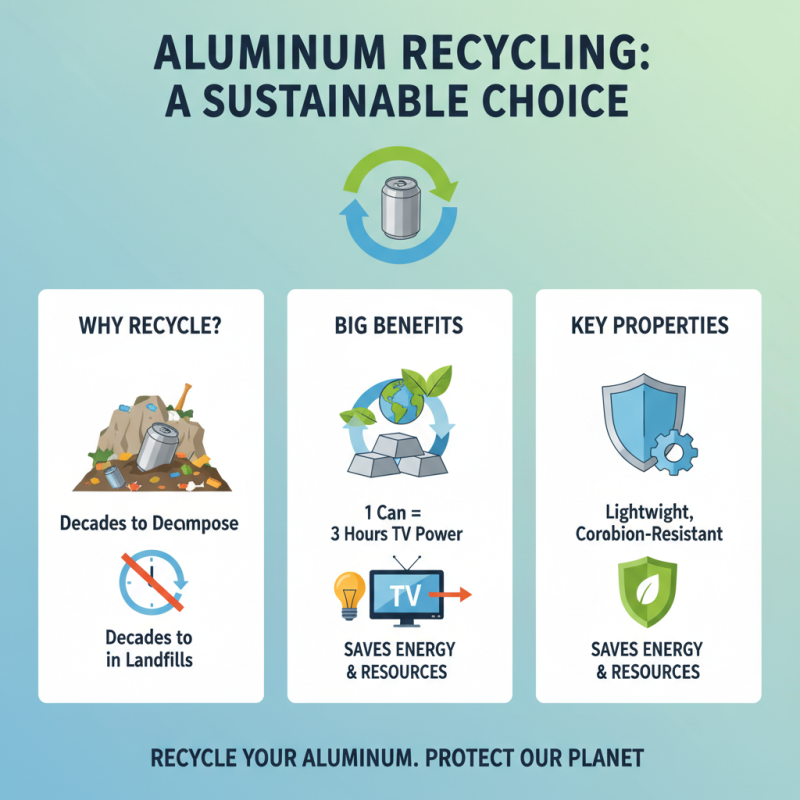
Aluminum recycling plays a crucial role in environmental conservation. This lightweight metal is highly valued for its durability and resistance to corrosion. However, many people overlook the importance of recycling it properly. When aluminum is tossed in the trash, it often ends up in landfills, where it takes decades to decompose. In contrast, recycling just one aluminum can saves enough energy to power a television for three hours.
Understanding the recycling process is essential. Many people are unaware that aluminum can be recycled infinitely without losing quality. This means every aluminum object can have multiple lives if recycled properly. Unfortunately, not everyone knows how to prepare their aluminum for recycling. Some do not rinse cans, leaving residues that contaminate the recycling stream. Others throw away non-recyclable items with aluminum. Such mistakes undermine the recycling effort, leading to wasted materials and energy.
Awareness and education are key to successful aluminum recycling. Simple practices can make a big difference. Separating materials correctly is vital for effective recycling. Yet, many still mix recyclables with general waste. This lack of understanding poses a challenge for local recycling programs. By learning better practices, everyone can contribute to a more sustainable future.
Identifying Recyclable Aluminum Products
Recycling aluminum can greatly benefit the environment. However, not all aluminum products are recyclable. Understanding which items to recycle is crucial. Many people overlook everyday items. These include aluminum cans, foil trays, and even baking sheets.
Look for labels indicating recyclability. These will guide you in making better choices. Like soda cans, they often have clear recycling symbols. However, some products, like aluminum film or dirty foil, may not qualify. It's essential to keep your aluminum clean and free of food residues.
Consider the condition of the aluminum. Scraps or damaged items might be rejected by recycling centers. Small pieces may also get lost in the sorting process. Keeping aluminum together in one container can help. Awareness is vital in this process. Not every piece of aluminum is recyclable, and this can lead to confusion. Reflecting on these details can improve your recycling efforts.
Preparing Aluminum for Recycling: Cleaning and Sorting
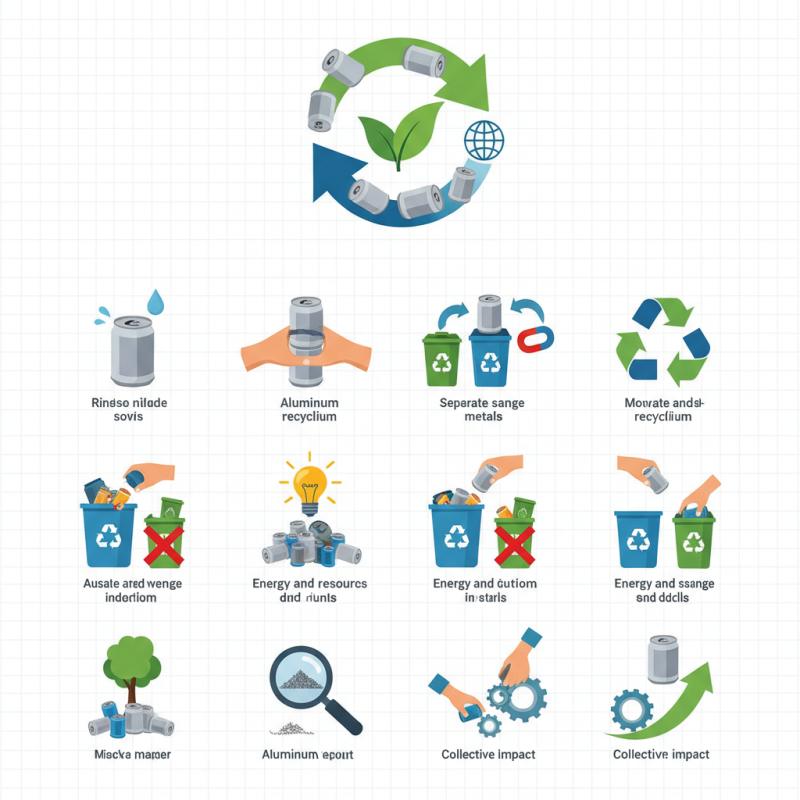
Cleaning and sorting aluminum before recycling is crucial. Start by rinsing out containers. Residues can contaminate the recycling process. If you have cans, ensure they are empty. A quick rinse is often all you need. For larger items, consider scrubbing off any dirt or grease. This makes the aluminum worth more at the recycling center.
Sorting is another important step. Separate aluminum from other materials. Keep different types of aluminum together. This will help recyclers process them efficiently. It’s not uncommon to mix things up, especially when in a hurry.
Remember, improper sorting can lead to waste. Even a small amount of contamination can spoil an entire batch. Take your time and ensure accuracy. Recycling aluminum properly not only helps the environment but also supports your community. Every effort counts.
Finding Local Recycling Centers for Aluminum
Recycling aluminum is crucial for sustainability. Finding local recycling centers is a vital step. Many cities offer drop-off locations, but availability can vary widely. In the U.S., only about 50% of aluminum cans are recycled. This means millions of cans end up in landfills each day, wasting valuable resources.
To locate nearby recycling facilities, check local government websites. Many municipalities provide an interactive map of recyclers. Some websites even list accepted items, making recycling easier. The Aluminum Association reports that recycling aluminum saves 90% of energy compared to making it from raw materials. This energy savings translates to lower greenhouse gas emissions.
Engaging with local community groups can also help. They often organize collection events or clean-up days. However, not all recyclers will accept aluminum, and some might require sorting. Ensure you know what your local center needs. It's disheartening to see recyclable materials thrown away, but taking proactive steps can make a difference.
Aluminum Recycling Rates in Different Countries
Tips for Reducing Aluminum Waste in Daily Life
Reducing aluminum waste in our daily lives can have significant impacts. Aluminum production is energy-intensive, consuming about 8% of the world’s electricity supply, according to the International Aluminum Institute. This is a staggering figure. By cutting down aluminum usage, we can reduce energy demand and lower greenhouse gas emissions.
Start with simple actions. Use refillable containers instead of disposable aluminum cans. Consider alternatives for beverages. Cooking with fresh ingredients can also minimize the use of aluminum foil. In fact, data from the Aluminum Association shows that recycling just one aluminum can saves enough energy to power a television for three hours. It’s not just about recycling; it’s about making smarter choices daily.
Look out for aluminum packaging in your purchases. Many products include unnecessary aluminum that can be avoided. For example, buying bulk products reduces waste. Additionally, aluminum is often hidden in packaging that claims to be eco-friendly. Reflect on these choices. Are we really minimizing waste, or just shifting it? Small adjustments can lead to significant changes. Remember, every little step counts in creating a more sustainable future.