How to Choose the Best Demolition Attachments for Your Project?
Choosing the right demolition attachments is paramount for project success. In the demolition industry, equipment efficiency and suitability can significantly impact overall performance. According to a recent report by the International Demolition Association, the right attachments can boost productivity by up to 30%. These tools are critical for breaking down structures accurately and safely.
When selecting demolition attachments, consider your project's specific needs. Each attachment, from hydraulic hammers to shears, serves unique functions. The wrong choice can lead to inefficient operations and increased costs. Construction Dive reports that improper attachment selection can lead to delays of up to 25% in project timelines. This makes thorough research essential.
It's easy to overlook the importance of high-quality demolition attachments. However, investing in the right tools can prevent future complications. Professional insights suggest that well-chosen attachments enhance not just efficiency but also worker safety. Always weigh the pros and cons before finalizing your choice. Reflect on the potential impacts and ensure your decisions align with industry standards.
Understanding the Types of Demolition Attachments Available in the Market
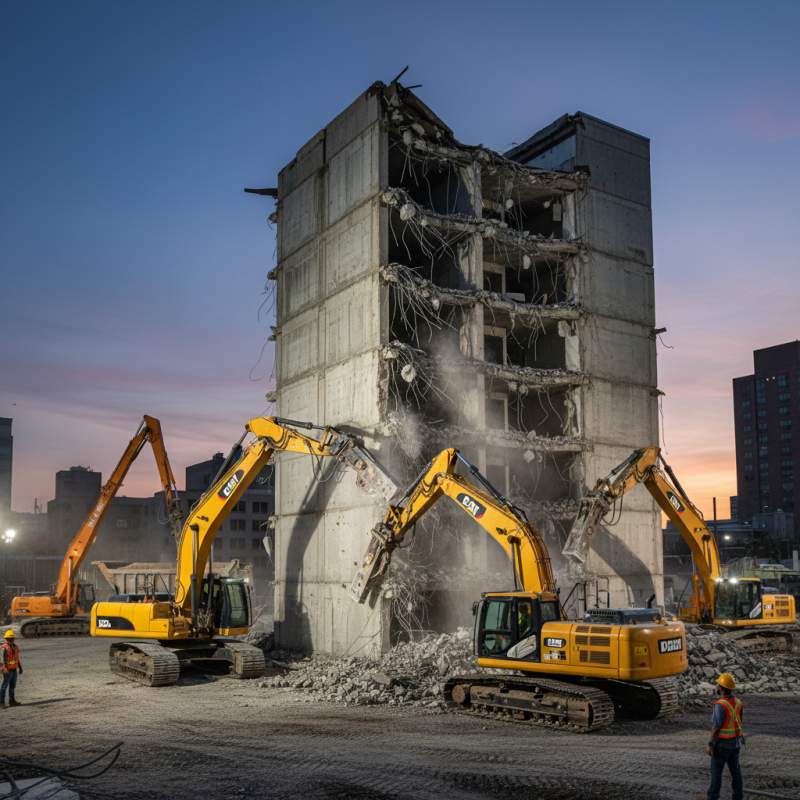
When selecting demolition attachments, understanding the different types available is crucial. Common attachments include hydraulic hammers, shears, and crushers. Each serves a unique purpose, making it essential to match them to your project needs. According to a recent industry report by the Demolition Association, nearly 30% of project delays stem from improper equipment choices. This emphasizes the importance of choosing correctly.
Hydraulic hammers are favored for their power and precision, making them ideal for breaking concrete. Shears, on the other hand, excel in cutting steel and other materials. The versatility of crushers allows for the recycling of debris on-site. However, some operators find usage restrictions challenging. The wrong attachment can lead to safety hazards or damage to the underlying structure. The attachment should always align with the job requirements.
Research shows that a significant portion of demolition projects, around 40%, fail to achieve their intended results due to equipment misalignment. Potential buyers must also consider weight and compatibility with existing machinery. The right attachment boosts efficiency but missteps could lead to costly errors. Understanding these variables is vital for any successful demolition operation.
Assessing Project Requirements: Weight, Material, and Volume Considerations
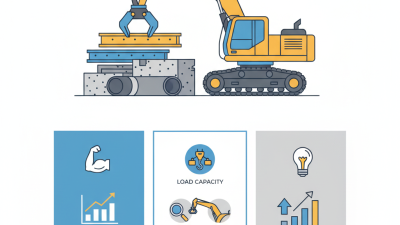
Choosing the right demolition attachments for your project requires a clear understanding of your project’s weight, material, and volume needs. Evaluating these factors is essential for effective demolition. For instance, find out the specific weight limits of the equipment. Heavy materials, like concrete, may need specialized tools. If you’re unsure, consulting with industry experts can provide valuable insights.
Material type plays a critical role in attachment selection. Soft materials like wood may require different tools than metals or stone. Analyze the density and toughness of the materials to avoid improper choices. Keep in mind that sometimes what seems appropriate may not perform well in practice. Take the time to research and reflect on past projects. Learning from previous successes and failures can guide you in making informed decisions.
Volume considerations are also significant. Large volumes might necessitate more robust and efficient attachments. Think about how quickly a task needs to be completed. Increasing speed may lead to equipment wear and tear. Observe the performance of different attachments during varied operations. Understanding these aspects can make a difference in outcome and efficiency.
Demolition Attachment Selection - Key Factors
Evaluating Attachment Performance: Impact Force and Operating Speed Metrics
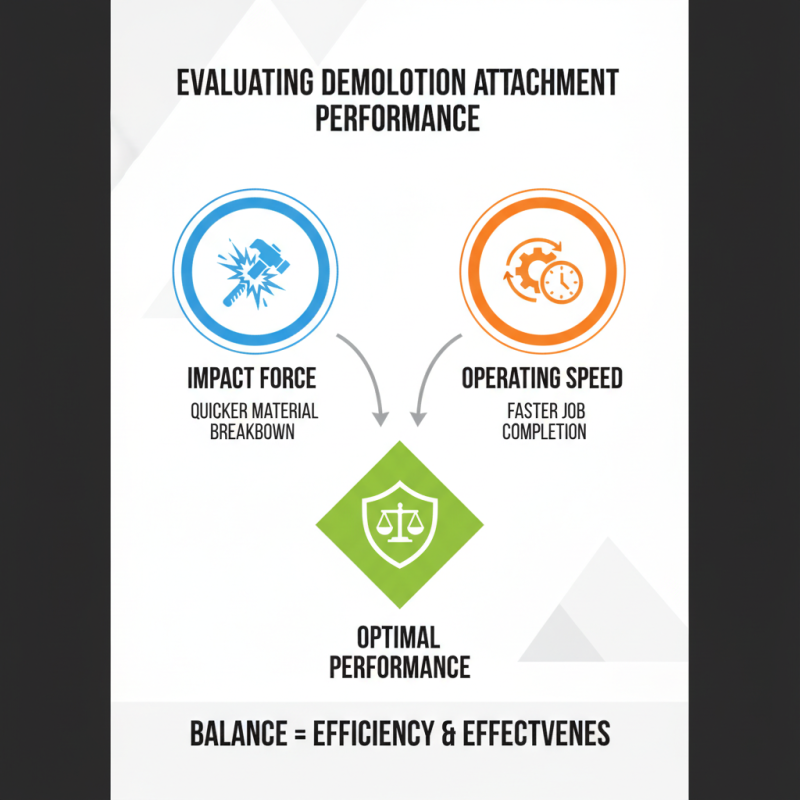
When selecting demolition attachments, performance metrics are critical. Two key factors are impact force and operating speed. Understanding these metrics helps ensure efficiency and effectiveness in your project. High impact force enables quicker material breakdown. On the other hand, operating speed influences how fast the job gets done. A balance between these metrics often leads to optimal performance.
Impact force is generally measured in pounds or tons. Higher values indicate stronger output, which can significantly affect material removal. However, excessive force may lead to structural damage. That’s something to consider when targeting specific materials. Meanwhile, operating speed, often measured in cycles per minute, reflects how quickly the attachment can perform tasks. A faster rate generally means increased productivity but could compromise precision.
Evaluating these factors involves assessing job site conditions. Harder materials may require higher impact forces. Conversely, delicate jobs call for more finesse and a focus on speed. Assessing local regulations and job scope is equally important. Making the right choice requires thoughtful consideration. Each project presents unique challenges. Thus, reflecting on both impact force and operating speed is essential for success.
Cost-Benefit Analysis: Initial Investment vs. Long-Term Savings in Demolition
Choosing the right demolition attachments can impact your project's financial health significantly. A cost-benefit analysis highlights the importance of initial investment versus long-term savings. Industry reports suggest that proper attachment selection can reduce operational costs by up to 30%. However, the upfront cost may feel daunting.
Considering different types of attachments is vital. A hydraulic hammer, for example, provides efficient performance but comes with a higher price tag. In contrast, a concrete crusher might be less expensive but could require more maintenance. Operators often overlook this, focusing primarily on purchase price. According to a 2022 study, about 45% of contractors regretted not assessing long-term costs in their selection process.
Long-term savings often outweigh initial investments when using high-quality attachments. Equipment that is reliable can reduce repair costs, while more efficient tools improve productivity. Data shows that projects utilizing optimal attachments complete faster, resulting in higher profit margins. Investing in the best can lead to greater satisfaction among contractors and clients. Yet, assessing the total cost of ownership remains a common oversight in the industry.
How to Choose the Best Demolition Attachments for Your Project? - Cost-Benefit Analysis: Initial Investment vs. Long-Term Savings in Demolition
| Attachment Type |
Initial Investment ($) |
Operating Cost per Hour ($) |
Expected Lifespan (Years) |
Estimated Long-Term Savings ($) |
| Hydraulic Excavator Attachment |
15,000 |
50 |
10 |
30,000 |
| Concrete Crusher |
20,000 |
70 |
8 |
25,000 |
| Hydraulic Breaker |
12,000 |
40 |
7 |
18,000 |
| Demolition Grapple |
10,000 |
30 |
6 |
15,000 |
| Multi-Processor |
25,000 |
100 |
12 |
40,000 |
Safety Standards and Compliance: Meeting Regulatory Requirements in Demolition
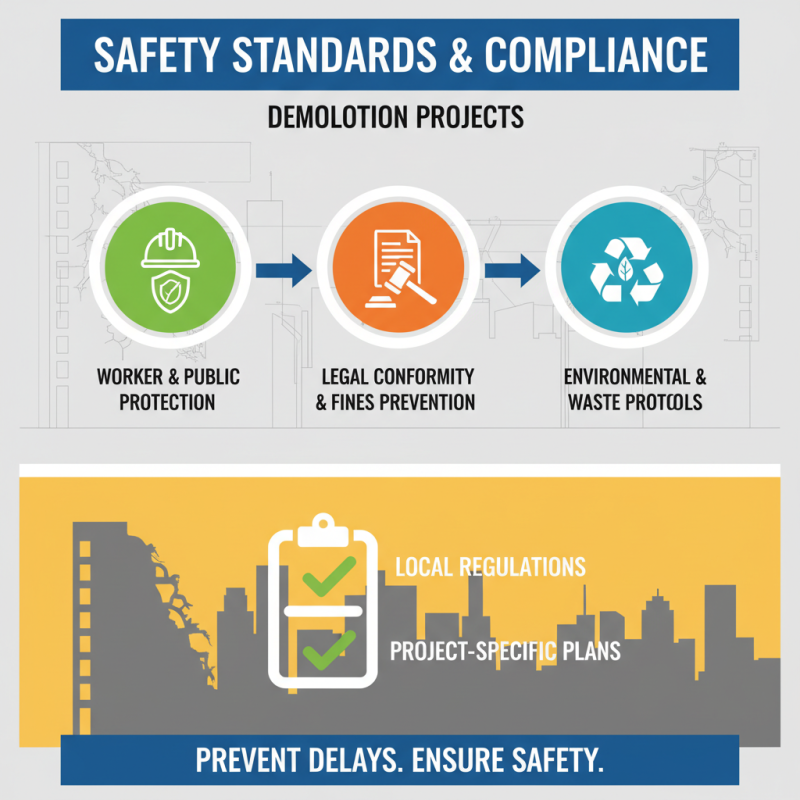
When engaging in demolition projects, safety standards and compliance are paramount. Understanding these requirements ensures not only legal conformity but also the protection of workers and the public. Each project demands a clear grasp of local regulations, including environmental guidelines and waste disposal protocols. Knowledge of these regulations helps prevent costly fines and project delays.
Moreover, the right demolition attachments contribute to meeting safety standards. Equipment must undergo regular inspections to avoid malfunctions that could jeopardize safety. Operators should be trained adequately. Even minor lapses in equipment maintenance can lead to significant issues. Documenting compliance can also build credibility with stakeholders and regulatory bodies.
Mistakes can happen. Sometimes, teams overlook updated regulations or new safety protocols, jeopardizing their projects. Staying informed is not always straightforward. As the landscape of demolition evolves, remaining adaptable becomes crucial. Continuous training and workshops can bridge those knowledge gaps. Only then can teams navigate the compliance maze confidently.