Why Choose a Material Handler Machine for Your Business Needs?
In today's fast-paced industrial landscape, businesses face increasing pressure to enhance productivity and efficiency. The Material Handler Machine is a pivotal solution that meets these demands. According to a recent report by IBISWorld, the material handling equipment industry has seen a growth rate of 3.6% annually. This highlights the rising importance of such machinery in operational success.
Expert in the field, Dr. John Turner, states, "Investing in a Material Handler Machine can optimize workflow and reduce labor costs significantly." His insights reflect the necessity for businesses to adapt to technological advancements. While some might hesitate, fearing high initial costs, the long-term benefits often outweigh these concerns. Companies can expect improved safety and faster handling times.
However, selecting the right Material Handler Machine requires careful consideration. It’s essential to assess specific business needs and operational environments. A mismatch can lead to inefficiencies. Thus, reflecting on the unique demands of your industry is vital before making such a significant investment. Understanding these complexities can save time and resources in the long run.
Benefits of Using Material Handler Machines in Various Industries
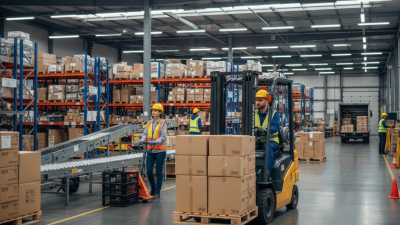
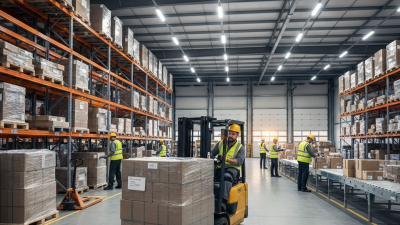
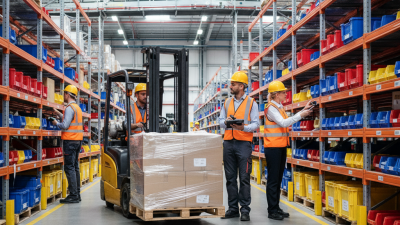
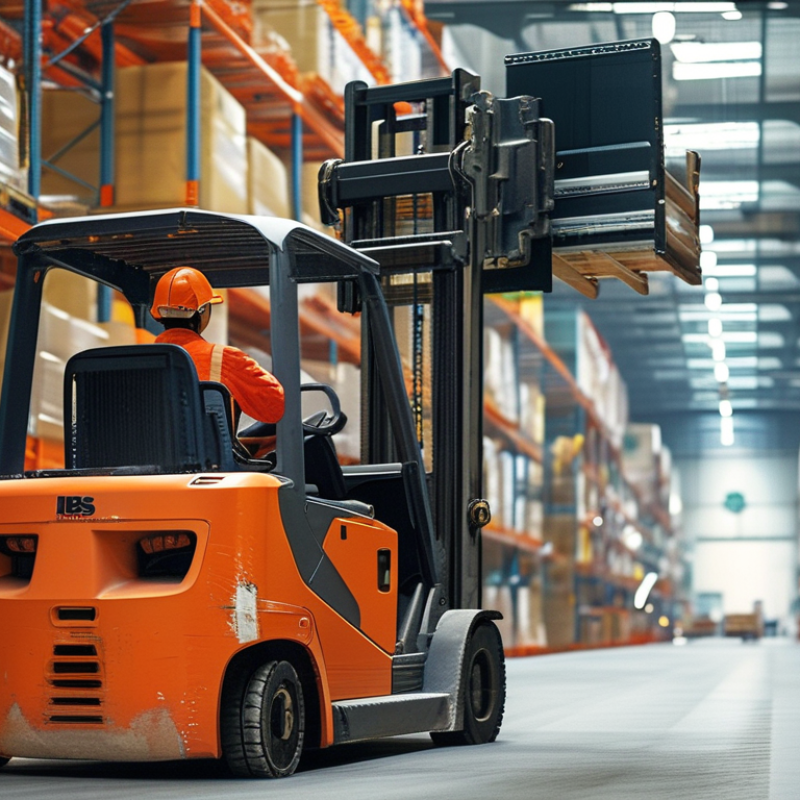
Material handler machines offer many advantages across various industries. They enhance efficiency in warehouses, manufacturing, and construction. These machines excel at moving heavy loads with precision, reducing the physical strain on workers. For instance, using a material handler to transport pallets can save time and decrease potential injuries. Safety is a significant factor, as these machines often come with safety features to protect operators.
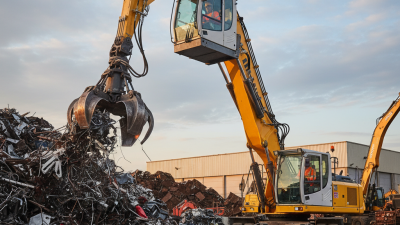
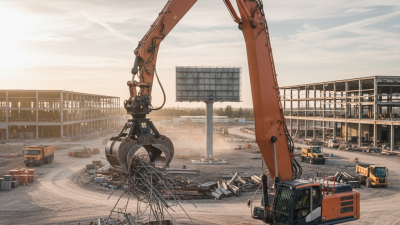
Industries such as logistics and retail benefit immensely from these machines. A well-placed handler can streamline inventory management, allowing for quicker access to products. In construction, they improve workflow, enabling faster site clean-up and material distribution. However, investing in a material handler requires careful consideration. The initial cost can be substantial, and maintenance must be factored into budget plans. It's crucial to analyze how often the machine will be used to justify the investment.
While the benefits are clear, some companies struggle with integrating this technology fully. Training employees on proper operation is always necessary. Misuse can lead to accidents, delaying projects and costing money. Adapting to this technology requires time, and companies must remain patient during the transition.
Key Features to Consider When Selecting a Material Handler Machine
When selecting a material handler machine, it's essential to consider several key features to ensure it meets your business needs. Firstly, the lifting capacity should align with your specific operations. A recent industry report highlighted that 70% of business inefficiencies stem from using equipment with inadequate lifting capabilities. Choose a machine that can handle your heaviest materials without straining or risking safety.
Another critical feature is maneuverability. A material handler should navigate tight spaces easily. Many businesses report that a machine with a smaller turning radius can enhance productivity by up to 35%. Additionally, examine the controls. Ergonomically designed controls can reduce operator fatigue, improving focus and decreasing the likelihood of mistakes. Studies indicate that worker efficiency can drop significantly when they are uncomfortable or distracted.
Consider maintenance support and parts availability, too. An efficient machine is useless if maintenance is burdensome. Operators need reliable access to service resources. Industry surveys reveal that downtime costs companies approximately $1,000 per hour on average. Thus, banking on a robust support system is not just wise; it’s essential for operational success. Balancing these factors can lead to better decision-making and long-term gains for your business.
Cost-Effectiveness of Material Handler Machines for Business Operations
Material handler machines are becoming essential tools in various industries. Their cost-effectiveness is significant for business operations. According to a recent report by the Material Handling Industry of America, effective material handling can cut operational costs by up to 20%. This reduction largely stems from enhanced productivity and decreased labor expenses.
Investing in these machines can lead to long-term savings. For instance, a study published by the Warehousing Education and Research Council noted that companies using advanced handling equipment increased their throughput by 25%. This implies fewer delays and faster order fulfillment. Even businesses with tight budgets can benefit. The initial investment may seem high, but the return on investment often exceeds expectations.
Challenges do exist. Some companies report issues with machine training and maintenance costs. It's easy to overlook these aspects during initial purchases, yet they impact overall cost-effectiveness. Balancing these factors is crucial for any business contemplating a materials handler machine. Continuous evaluation of operational needs can guide this decision effectively.
Safety Enhancements Offered by Material Handler Machines in Workplaces
Material handler machines play an essential role in enhancing workplace safety. They minimize manual lifting, which is often a significant source of injuries. Workers are less likely to experience strains or sprains when using these machines. For instance, a worker using a material handler can move heavy pallets or stacks of materials without direct physical effort. This not only protects the employees but also boosts overall productivity.
Additionally, these machines are designed with various safety features. Many include automatic shut-off functions in case of malfunction. This can prevent accidents before they occur. Visibility is also improved with designated paths for these machines, reducing the likelihood of collisions. While technology enhances safety, operators still need training. Proper training can help prevent misuse and accidents.
There are challenges that come with implementing these machines. Initial costs may be high, which makes some businesses hesitant. Regular maintenance is crucial, too. Neglecting upkeep can lead to safety hazards. Companies must assess whether the long-term benefits outweigh these concerns. Balancing costs and safety is often a complex decision for many business owners.
Maintenance and Longevity of Material Handler Machines for Optimal Performance
Material handler machines are vital for modern industries. Their efficiency directly impacts productivity. However, their performance relies heavily on proper maintenance. Regular checks can prevent unexpected breakdowns. Research from the Material Handling Industry (MHI) indicates that businesses can reduce their operational costs by up to 30% with effective maintenance strategies.
Longevity is another crucial factor. Studies show that well-maintained machines can last 15-25% longer than those with neglected upkeep. Simple tasks like lubricating moving parts or checking hydraulic systems can substantially extend a machine's life. Companies often overlook these routine tasks, which can lead to costly repairs.
Not all businesses have the resources for extensive maintenance programs. This gap may cause machinery failures, impacting overall productivity. Finding a balance between maintenance and operational demands is necessary. Continuous training for staff on maintenance protocols can lead to a more dependable workforce. The industry needs to prioritize this aspect for the sustainable use of material handler machines.
Why Choose a Material Handler Machine for Your Business Needs?
| Feature |
Description |
Maintenance Tips |
Longevity Practices |
| Load Capacity |
Handles heavy materials easily between 2,000 lbs to 20,000 lbs |
Regularly inspect and calibrate load weight sensors. |
Avoid overloading to prevent wear and tear. |
| Versatility |
Can be used for various applications like loading, unloading, and transporting materials. |
Keep attachments and tools in good condition. |
Store properly to prevent rusting or damage. |
| Safety Features |
Equipped with safety alarms and emergency stops. |
Conduct regular safety audits and training for operators. |
Implement ongoing safety checks and updates. |
| Fuel Efficiency |
Uses modern fuel-efficient engines to reduce operational costs. |
Monitor fuel levels and engine performance regularly. |
Perform routine engine maintenance to ensure optimal fuel efficiency. |
| Comfortable Operation |
Designed with ergonomic controls and comfortable seating. |
Ensure cabin cleanliness and check for functional controls. |
Regularly assess the comfort and maintenance of the operator's cabin. |