2026 How to Choose the Best Excavators Attachments for Your Project?
In the ever-evolving construction industry, selecting the right excavator attachments is crucial for maximizing efficiency. According to a recent industry report by MarketsandMarkets, the global market for excavator attachments is projected to grow to over $13 billion by 2026. This growth reflects the increasing demand for versatile machinery that can handle various tasks, from digging to demolition.
Choosing the best excavator attachments requires a blend of technical knowledge and practical experience. For instance, using the wrong attachment can lead to project delays or increased costs. Data from the Association of Equipment Manufacturers shows that up to 30% of equipment downtime is linked to attachment-related issues. Therefore, understanding the specifications and functionality of each attachment is vital.
Every project is unique, with specific requirements. Some attachments offer multi-functionality, while others excel in specialized tasks. However, it is essential to evaluate both the pros and cons of each option. Without careful consideration, a perfect project can quickly become a costly headache. Navigating this landscape effectively is key to achieving project success with excavator attachments.

Understanding Different Types of Excavator Attachments Available
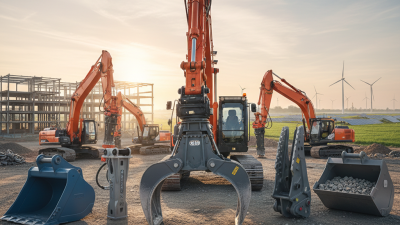
When choosing excavator attachments, understanding the types available is crucial. These attachments vary widely, each designed for specific tasks. Common types include buckets, thumb attachments, and grapples. According to the Excavator Attachment Market Report 2023, the global market is anticipated to grow at a CAGR of 5.6% by 2026. This indicates a rising demand for efficient tools in construction and excavation.
Buckets are the most fundamental attachments. They come in various sizes and shapes, serving different functions like digging and loading. For example, trenching buckets help create narrow trenches for utilities. However, one must consider soil type and project specifications when selecting a bucket. A poorly matched bucket can lead to inefficiencies.
Thumb attachments provide versatility. They allow excavators to grab and move materials easily. However, the effectiveness hinges on the right sizing and installation. An ill-fitted thumb can harm performance and equipment longevity. Grapples, used for handling and sorting debris, are also popular but can sometimes lack the gripping power needed for heavier loads. Proper assessment before making a choice is essential for optimal use.
2026 How to Choose the Best Excavator Attachments for Your Project?
| Attachment Type |
Purpose |
Common Uses |
Compatibility |
Weight (lbs) |
| Bucket |
Digging and scooping |
Excavating soil, moving material |
Most excavators |
400 - 1000 |
| Auger |
Drilling |
Post holes, foundations |
Medium to large excavators |
250 - 600 |
| Thumb |
Gripping |
Picking up large objects |
Most excavators |
150 - 300 |
| Hydraulic Hammer |
Breaking |
Breaking concrete, rocks |
Large excavators |
500 - 1200 |
| Grader Blade |
Leveling |
Creating flat surfaces |
Medium to large excavators |
600 - 1300 |
Evaluating Project Requirements for Selecting Attachments
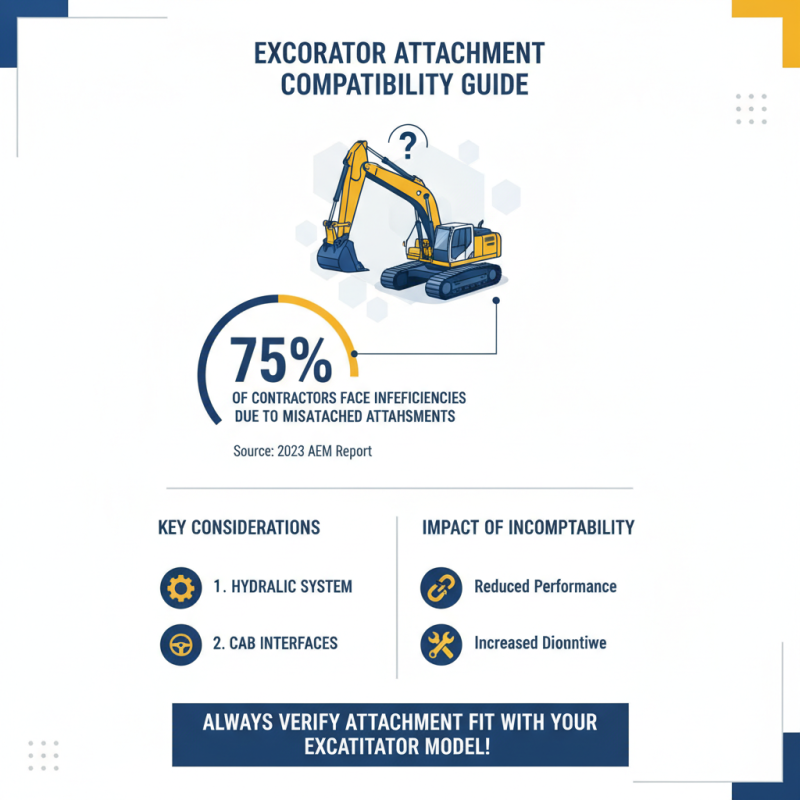
When evaluating project requirements for selecting excavator attachments, it's crucial to understand the specific needs of your job site. Factors such as soil type, depth of excavation, and load capacity are fundamental. According to a report by the Construction Industry Institute, 75% of construction projects face delays due to improper equipment selection. This statistic highlights the importance of aligning attachment capabilities with project demands.
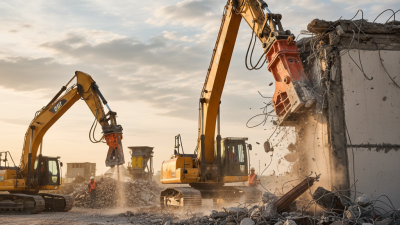
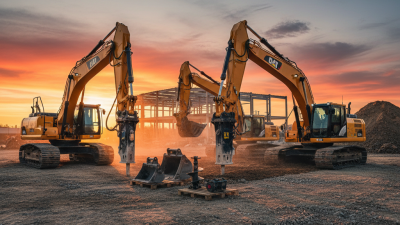
Additionally, different attachments serve unique functions. A hydraulic hammer excels in breaking through tough surfaces, while a bucket attachment is ideal for digging and moving material. A study by the Heavy Equipment Manufacturer’s Association notes that projects optimizing attachment selection can improve efficiency by up to 30%. However, ensuring compatibility with your excavator's specifications can be challenging. Assess how attachments influence machine handling and stability on your site.
Furthermore, consider the cost of each attachment against your budget constraints. High-quality attachments often come with a higher initial investment but can offer better longevity and performance. Reflecting on your project timeline may lead you to prioritize essential attachments over optional ones. Balancing efficiency and cost is not always straightforward, necessitating careful planning and evaluation of your operational goals.
Excavator Attachments Selection for Various Projects
This bar chart visualizes the recommended usage percentages for various excavator attachments. The standard bucket is the most commonly recommended for projects, while specialized attachments like hydraulic breakers and augers are used less frequently. Understanding these metrics helps in selecting the right attachments for specific project requirements.
Comparing Performance Features of Various Excavator Attachments
When choosing excavator attachments, performance features are crucial. Different projects require specific tools for efficiency. Consider the work type, whether it is demolition, digging, or grading. Each task demands distinct attachments designed for optimal power and precision.
Evaluate the material compatibility of attachments. Steel buckets may not be ideal for delicate tasks. Always check the weight and size limitations of your excavator. You might overlook this, leading to inadequate performance.
Here are some tips: Always prioritize attachments based on your project needs. Perform thorough research before making a purchase. Misjudging attachment quality might delay your project. Seek feedback from experienced operators to understand practical challenges. Their insights can guide you toward better choices.
Assessing Budget and Cost-Effectiveness of Attachment Options
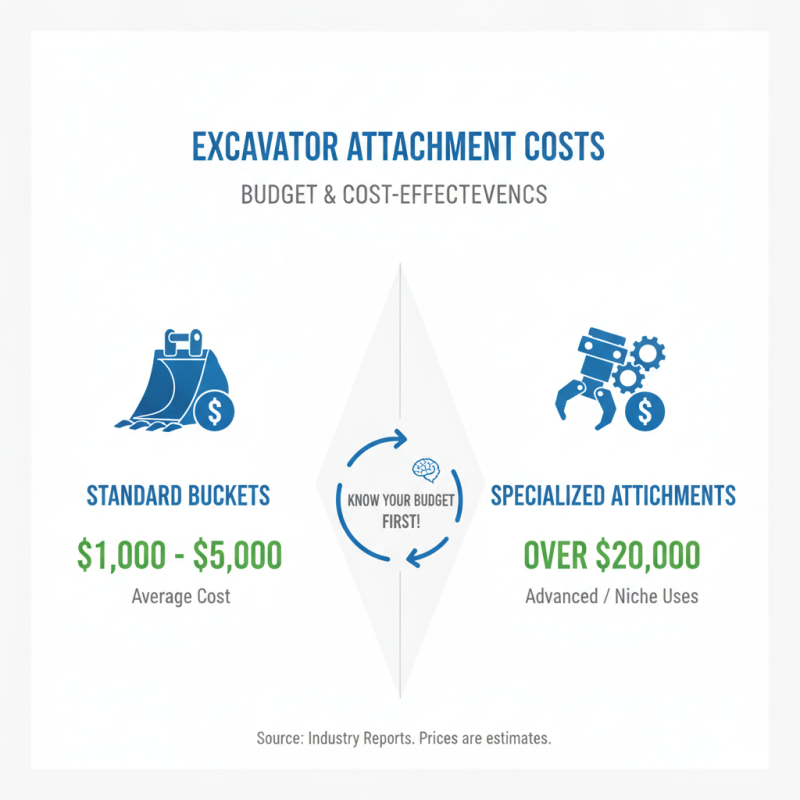
When considering excavation attachments, budget and cost-effectiveness are crucial. Industry reports indicate that the average cost of excavator attachments varies significantly. A standard bucket may range from $1,000 to $5,000, while specialized attachments can exceed $20,000. Knowing your budget is the first step.
However, the initial cost is not everything. Long-term operational costs play a significant role. For instance, an attachment that offers greater efficiency can lead to reduced fuel consumption and operational time. According to a recent analysis, a high-quality hydraulic hammer can improve productivity by up to 30%. Investing in effective, durable attachments can yield better returns.
Consider the project requirements. Different tasks demand different tools. For small jobs, more budget-friendly options may suffice, but large-scale projects may require specific, albeit more expensive, attachments. Always weigh the potential benefits against the initial expenses. Understanding this balance is key to making an informed decision that aligns with your project’s financial framework.