How to Effectively Manage Your Scrap Metal Pile for Profit?
Managing a Scrap Metal Pile effectively can be a daunting task. However, with the right approach and knowledge, it can also become a lucrative venture. Many overlook the potential profit hidden in neglected piles of scrap metal. Understanding how to sort, store, and sell this material can turn a cluttered area into a source of income.
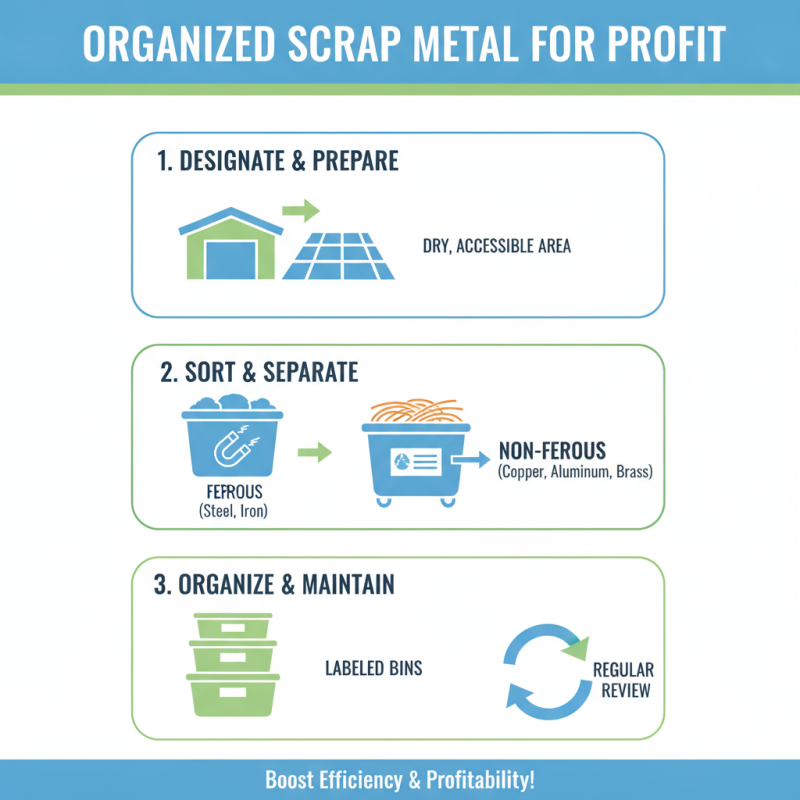
Start by organizing your Scrap Metal Pile. Identify different types of metals, such as aluminum, copper, and steel. Each type has different value and demand in the market. Implementing a sorting system can save time and streamline the selling process. However, mistakes may happen. You might mistakenly mix metals or misjudge their worth.
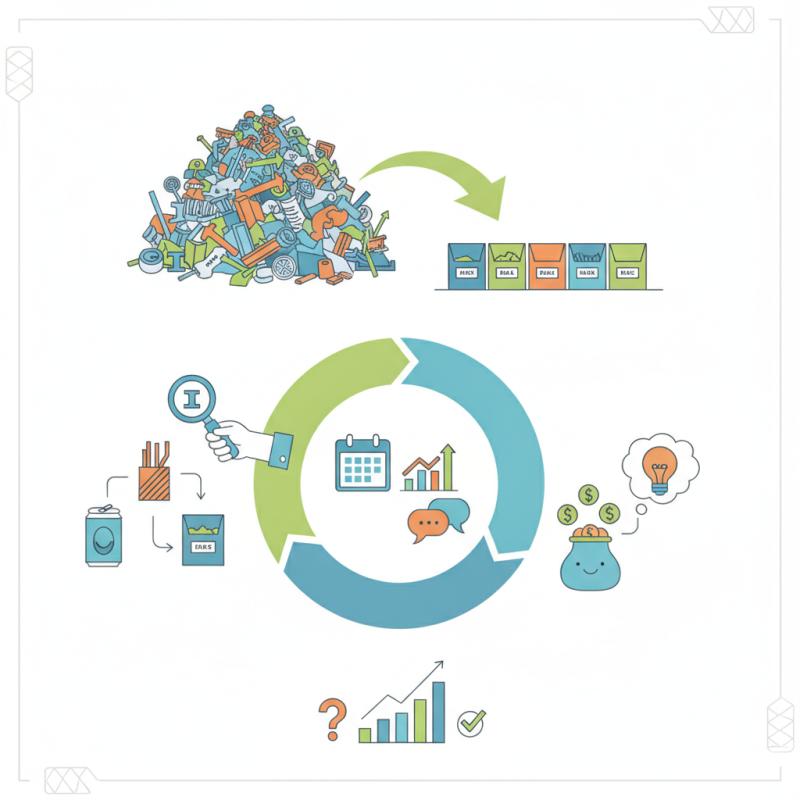
Regularly evaluating your Scrap Metal Pile is crucial. Prices fluctuate, and what was once deemed worthless might gain value. Stay informed about market trends. Connect with local scrap yards for insights on pricing. Effective management is not just about selling; it’s about understanding your resources. Reflecting on past sales can guide future decisions. This continuous learning approach can lead to improved profitability.
Understanding the Types of Scrap Metal for Maximizing Profit
Understanding the types of scrap metal is crucial for maximizing profit. Scrap metal can be categorized into ferrous and non-ferrous types. Ferrous metals include iron and steel, which are common but tend to have lower value. According to the Institute of Scrap Recycling Industries, the average price for ferrous scrap hovers around $200 per ton, depending on market trends.
On the other hand, non-ferrous metals, such as copper and aluminum, generally yield higher profits. Copper can fetch up to $4 per pound, while aluminum typically ranges around $0.80 per pound. Given their high resale value, it is essential to identify and separate non-ferrous metals from ferrous ones. This step can significantly enhance profit margins. Observations show that many manage their piles inefficiently. They often fail to sort properly, leading to lost revenue.
Properly managing your scrap metal pile requires organization and knowledge. Monitoring industry price fluctuations is vital. In 2022, copper prices saw a significant peak, reflecting rising demand. Staying updated through industry reports will empower sellers to time their sales effectively. Effective management of scrap metal isn’t just about collection; it's about knowledge and strategy in a dynamic market.
Strategies for Sorting and Preparing Scrap Metal for Sale
Sorting and preparing scrap metal for sale can be a rewarding task. However, it requires careful planning and attention to detail. Start by organizing your scrap pile into different categories. Separate metals like aluminum, copper, and steel. Each metal class has varying values. Identifying them correctly is crucial for maximizing profits. Consider using color-coding or labeled bins to enhance organization.
Cleaning your scrap can significantly boost its value. Remove any plastic or rubber components from metal parts. This can be tedious but is essential for getting the best price. Inspect each item thoroughly; a neglected piece may become unprofitable. Even minor rust on steel can affect its value. Remember, cleanliness matters in the scrap metal business.
When preparing for sale, weigh your sorted metals. Accurate weights ensure fair pricing; don’t underestimate this step. Research local scrap yards to find competitive rates. Keeping your records precise can make you more authoritative. Reflect on past sales to understand pricing trends. Over time, you may realize improvements are possible. This journey may come with its challenges, but persistence can lead to success.
How to Effectively Manage Your Scrap Metal Pile for Profit? - Strategies for Sorting and Preparing Scrap Metal for Sale
| Type of Scrap Metal |
Market Price per Pound ($) |
Weight (lbs) |
Total Value ($) |
Sorting Method |
| Copper |
3.20 |
50 |
160.00 |
Hand Sort |
| Aluminum |
0.90 |
100 |
90.00 |
Magnet Test |
| Steel |
0.15 |
500 |
75.00 |
Visual Inspection |
| Brass |
2.50 |
30 |
75.00 |
Hand Sort |
| Stainless Steel |
0.60 |
200 |
120.00 |
Magnet Test |
Identifying Reliable Scrap Metal Buyers and Pricing Trends
Identifying reliable scrap metal buyers is crucial for maximizing profits. Many small businesses suffer due to lack of research. According to the Institute of Scrap Recycling Industries (ISRI), trusted buyers offer fair prices and consistent transactions. Reaching out to local buyers can lead to better deals. It's essential to evaluate their reputation and payment terms before engaging.
Understanding pricing trends is equally important. The London Metal Exchange (LME) regularly publishes reports on metal prices. These reports reveal fluctuations based on global demand and supply. For example, copper prices can vary significantly. Recent data shows a 10% increase in copper prices over the last year. This change affects scrap metal valuation. Staying informed helps scrap dealers make timely sales.
It's common for sellers to undervalue their scrap due to lack of market knowledge. Many may not realize that clean scrap generally fetches higher prices. Accurate sorting can lead to improved profits. Working with an experienced consultant can help bridge knowledge gaps and refine sales strategies. Embracing market research is vital for anyone looking to profit from scrap metal.
Maintaining Safety and Environmental Standards in Scrap Metal Management
Managing a scrap metal pile can be rewarding, but safety and environmental standards are crucial. Always wear protective gear, including gloves and goggles, while handling metal. Sharp edges and heavy weights pose risks. Ensure your workspace is well-lit and organized. Hazards are common, and even small oversights can lead to accidents.
Environmental regulations must be respected. Segregate metals to prevent contamination. Keep hazardous materials away from your scrap. Local guidelines often dictate how to dispose of certain types of metal. Ignoring these standards can have severe consequences. Not all metal is recyclable, and some may require special handling.
Regularly inspect your pile for safety hazards. Rusty metals or sharp edges can be easy to overlook. Staying vigilant helps maintain a safe environment. It’s essential to reflect on past practices. Consider what worked and what didn’t. Learning from mistakes creates a safer, more profitable operation.
Scrap Metal Management Analysis