Top 10 Essential Recycling Center Equipment You Need?
Recycling has become crucial for our environment. Every facility needs the right Recycling Center Equipment to operate effectively. The choice of equipment can impact efficiency and sustainability.
Having the essential tools can streamline operations. For instance, balers compress materials, making them easier to manage. Shredders help reduce waste size for better recycling. However, not all equipment fits every center's needs. It is vital to assess what works best for your specific operations.
Investing in the right Recycling Center Equipment requires careful thought. Budget constraints often limit choices. Additionally, maintenance can be an ongoing challenge. Equipment can break down or require upgrades over time. Centers must remain adaptable and ready for changes. Understanding these factors helps in making informed decisions.
Essential Types of Recycling Center Equipment for Efficient Operations
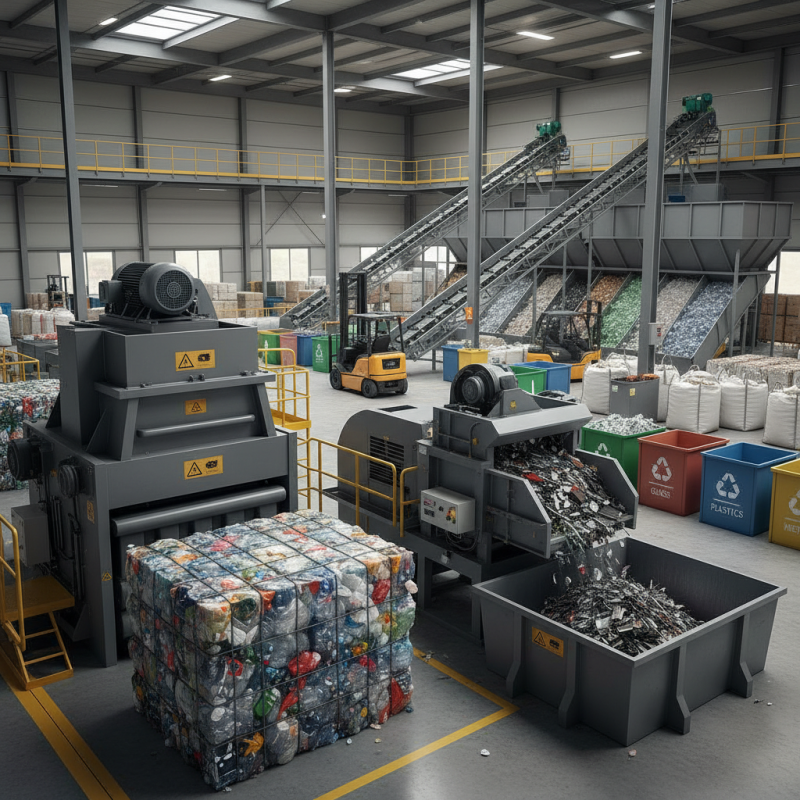
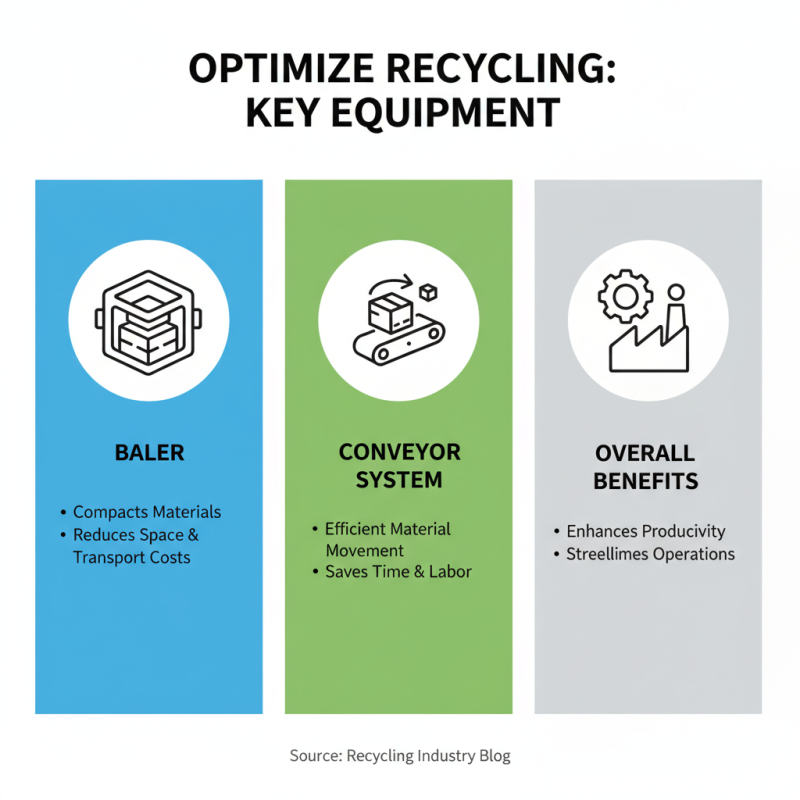
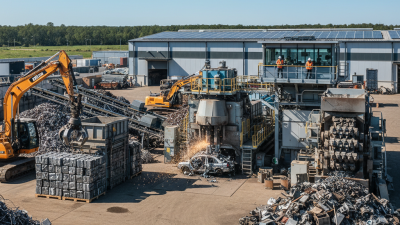
In the recycling industry, having the right equipment is crucial for efficient operations. Various types of machinery can enhance productivity and streamline processes. A baler is essential for compacting materials. It reduces space, making transportation easier. A conveyor system helps move materials efficiently. These systems save time and labor costs.
Shredders play a significant role in size reduction. They prepare materials for further processing. This not only increases efficiency but also ensures safety. A sorting system can improve material recovery. However, not all sorting methods work perfectly. Sometimes, human error can lead to contamination.
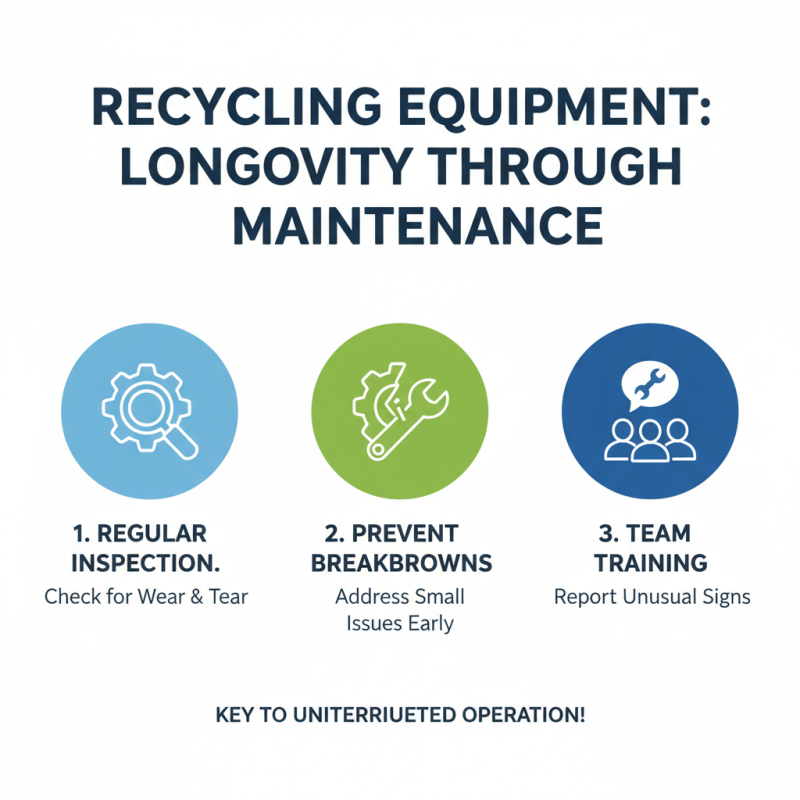
Investing in quality equipment is important, but maintenance is often overlooked. Equipment can malfunction, leading to downtime. Regular checks can prevent this. Employees must be trained properly, as skilled operators make a difference. Attention to detail in operations can drive success. Emphasizing teamwork and communication allows for smoother workflow.
Key Features to Consider When Choosing Recycling Center Equipment
Selecting the right equipment for a recycling center is crucial. The features you prioritize can make a significant difference. For instance, material compatibility matters. Equipment must handle different types of recyclables efficiently. A report from the EPA states that recycling 1 ton of aluminum saves 17 tons of bauxite ore, emphasizing the need for effective processing.
Another key feature is automation. Automated systems reduce labor costs and improve safety. However, some facilities still rely heavily on manual sorting. This raises questions about efficiency. According to a recent study, facilities using mixed methods saw a 30% drop in productivity. A balance between automation and human oversight is essential.
Durability is crucial too. Equipment must withstand daily use and harsh environments. Investing in long-lasting machinery can have significant long-term benefits. Yet, many centers overlook this, leading to increased maintenance costs. In the fast-evolving recycling landscape, keeping up with technology trends is essential. Newer machines feature advanced sorting technologies. They can drastically increase output, but they come with a steeper initial cost. Making the right choice is not always straightforward.
Top 10 Essential Recycling Center Equipment
This bar chart displays the importance level of essential recycling center equipment, rated on a scale from 1 to 10. Equipment such as balers and shredders are vital for efficient recycling operations.
Safety Equipment Necessary for a Recycling Facility
In a recycling facility, safety equipment plays a vital role. First, personal protective equipment (PPE) is essential. Each worker needs gloves, helmets, and safety goggles. These items protect against sharp materials and heavy machinery. Wearing proper shoes is also crucial. Steel-toed boots can prevent serious injuries.
Fire safety equipment should not be overlooked. Fire extinguishers must be easily accessible throughout the facility. In addition, first aid kits should be stocked and checked regularly. Workers should know where these kits are located. Emergency exits need clear signage to ensure a safe evacuation during emergencies.
Another aspect is training. Even with the right safety gear, proper training is essential. Workers must understand how to use equipment safely. This includes understanding the risks of their surroundings. Regular drills can help reinforce safety protocols. Reflecting on past incidents can provide valuable lessons for improvement. Each facility should prioritize creating a culture of safety among employees.
Innovative Technologies Enhancing Recycling Center Efficiency
Innovative technologies have transformed recycling centers. Automated sorting systems are a prime example. These systems can separate materials like plastics, metals, and paper with high precision. According to a study by the Environmental Protection Agency, automation improves efficiency by over 30%. This means more materials can be processed in less time, reducing the environmental footprint.
Machine learning algorithms now enhance sorting accuracy. They analyze material composition and adapt to new types of waste. A report from the Waste Management Association indicates that integrating AI reduces contamination rates by around 25%. This is crucial because cleaner recycling streams yield better quality recycled materials. However, not all recycling centers can afford these technologies yet.
Additionally, data tracking systems help monitor the recycling process. They provide real-time insights into material flows and operational efficiency. Yet, some facilities struggle with data integration. Investing in these technologies is vital, but not always feasible for every center. Embracing innovation while addressing challenges is key to improving recycling efficiency.