Top 10 Essential Recycling Center Equipment You Need to Know?
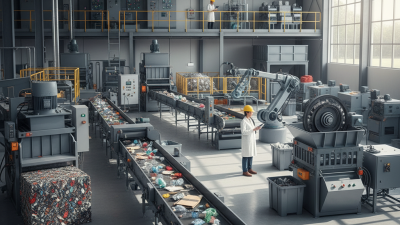
In the ever-evolving landscape of waste management, understanding Recycling Center Equipment is essential for efficiency and sustainability. Sam Green, a seasoned expert in the recycling industry, once said, "The right tools make all the difference in maximizing recycling potential." This highlights the importance of appropriate equipment in optimizing recycling processes.
Recycling Center Equipment ranges from shredders to balers, each serving a specific function. Choosing the right tools can significantly impact operational efficiency. However, many centers overlook certain essential equipment. This oversight can lead to increased costs and reduced output quality. The investment in the correct machinery is crucial for staying competitive.
Moreover, regular maintenance of this equipment cannot be neglected. Equipment failures can disrupt operations and delay projects. Understanding the unique needs of a recycling center will ultimately guide the selection of the most effective tools. As with any industry, continuous improvement and adaptation are key to successful recycling operations.
Essential Equipment for Efficient Recycling Center Operations
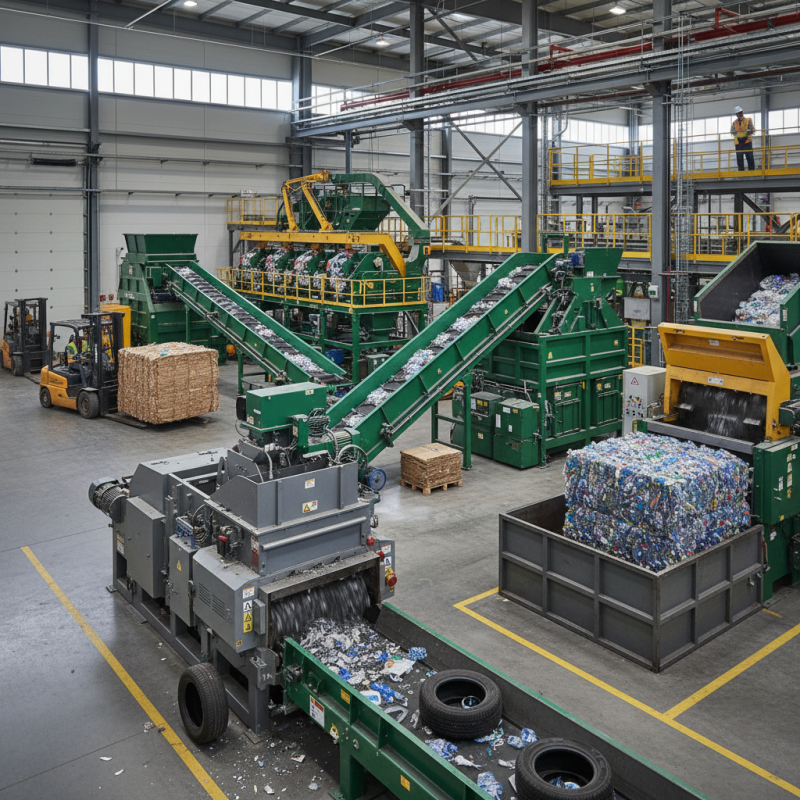
Efficient recycling center operations rely heavily on the right equipment. Key tools enhance processing speed and waste management effectiveness. A recent report from the Environmental Protection Agency highlighted that recycling rates could increase by 40% with improved machinery. This points to the importance of investing in quality equipment.
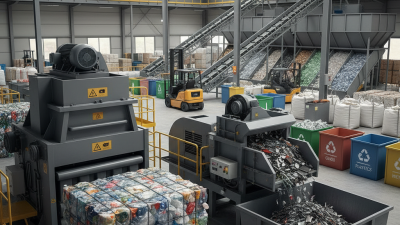
Balers are vital for compressing materials. Plastic, cardboard, and metals can be neatly packed, saving space and reducing transportation costs. Another essential is shredders, which make recyclable materials easier to handle. They allow for more effective sorting and separation, key for maximizing facility efficiency. In some studies, facilities reported a 30% decrease in processing time with modern shredders.
Conveyor systems streamline workflows. They facilitate the movement of materials throughout the recycling process. Properly functioning conveyors can minimize human error and speed up operations. Additionally, having an air separation system aids in removing contaminants. Contaminated materials can greatly reduce the value of recyclable items. Investing in these technologies is key. However, many facilities still struggle with outdated equipment, leading to inefficiencies and higher operational costs. Regular assessments of machinery are necessary for optimal performance.
Top 10 Essential Recycling Center Equipment
Key Features of Material Handling Equipment in Recycling Centers
Material handling equipment plays a critical role in recycling centers. It enhances efficiency and safety during the recycling process. Key features include durability and ease of use. Heavy-duty conveyors move materials quickly. They help reduce manual effort, minimizing workplace injuries.
Forklifts are essential for lifting and transporting bulky items. Their capability to navigate tight spaces is invaluable. However, operators need proper training to avoid accidents. Other equipment, like balers, compact materials into manageable bundles. This promotes effective storage and shipping.
It is important to consider the layout of the recycling center. An optimized design improves workflow. Well-versed staff can identify any bottlenecks. This encourages regular maintenance of the equipment. Wear and tear can lead to costly downtime. Reliability in equipment is crucial to maintain productivity.
Top 10 Essential Recycling Center Equipment You Need to Know
| Equipment |
Key Features |
Applications |
Capacity |
| Baler |
Compresses recyclable materials into bales |
Paper, plastics, cardboard |
Up to 2000 lbs per hour |
| Shredder |
Reduces size of materials for easy processing |
Metal scraps, plastics |
Varies by model |
| Conveyor Belt |
Transports materials throughout the facility |
General material handling |
Customizable lengths |
| Air Separator |
Separates lighter materials from heavier ones |
Plastics, paper |
500-2000 lbs per hour |
| Magnetic Separator |
Removes ferrous metals from the stream |
Scrap metal recycling |
Up to 2500 lbs per hour |
| Drum Crusher |
Crushes steel and plastic drums for recycling |
Used drums |
Varies by model |
| Glass Crusher |
Crushes glass bottles into fine pieces |
Glass recycling |
1000-4000 lbs per hour |
| Trommel Screen |
Sorts materials by size using a rotating drum |
Mixed waste, compost |
Up to 30 tons per hour |
| Forklift |
Moves materials within the recycling center |
Material handling |
Varies by model |
| Weighbridge |
Measures the weight of incoming and outgoing material |
All recyclable materials |
Up to 100 tons |
Importance of Sorting Machinery in the Recycling Process
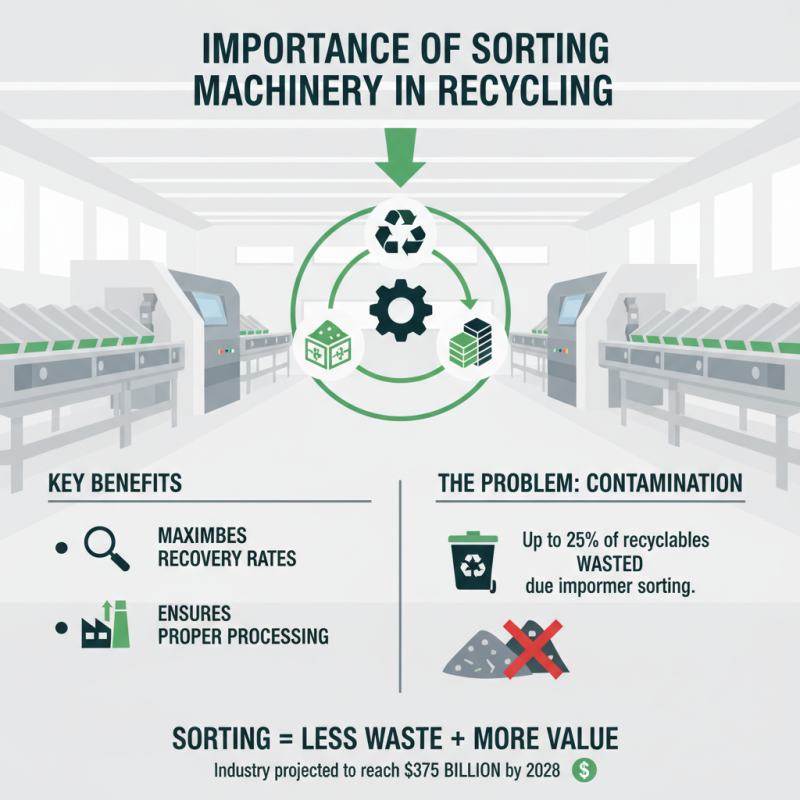
The recycling process heavily relies on sorting machinery. Effective sorting maximizes recovery rates and ensures materials are properly processed. According to the National Recycling Coalition, improper sorting can lead to contamination, resulting in up to 25% of recyclable materials being wasted. This is a significant loss in an industry projected to reach $375 billion by 2028.
Modern sorting systems use advanced technologies. These include optical sorters and magnetic separators. For instance, a study from the Institute of Scrap Recycling Industries indicates that using optical sorting can improve material recovery by over 30%. However, these systems are not infallible. Factors like equipment maintenance and operator skill levels can significantly impact sorting efficiency.
Investing in robust sorting machinery is crucial. It helps address challenges like contamination and operational inefficiencies. Recycling centers must frequently evaluate their sorting processes. Continuous improvement and staff training are necessary to adapt to evolving waste streams. In a world increasingly focused on sustainability, the importance of effective sorting cannot be overstated.
Necessary Safety Gear for Workers in Recycling Facilities
In recycling facilities, safety should always be a top priority.
Workers are often exposed to hazardous materials and heavy machinery. Appropriate safety gear can significantly reduce risks. Basic gear includes gloves, helmets, and safety goggles. Each piece plays a crucial role in protecting workers.
Tips: Regularly inspect safety equipment. Ensure it meets industry standards. Encourage workers to report damaged gear immediately.
Dust masks are also vital. They help prevent respiratory issues from inhaling fine particles. Steel-toed boots protect against heavy items falling. High-visibility vests ensure that workers are seen, especially in busy areas.
Tips: Hold training sessions on gear usage. Make sure all personnel understands how to wear safety equipment correctly.
Ultimately, creating a culture of safety awareness is essential. Workers may become complacent over time. Reinforcement and regular evaluations are necessary. This ensures that everyone remains vigilant and safe while working in recycling operations.
Technological Innovations Enhancing Recycling Center Equipment Efficiency
Innovations in recycling center equipment are transforming the industry. New technologies allow for faster sorting and higher efficiency. Advanced sensors and AI-driven systems improve the accuracy of material separation. These tools can significantly reduce contamination rates, which is a common issue in recycling facilities.
Additionally, modular designs are gaining traction, enabling centers to upgrade specific components without overhauling entire systems. This flexibility can lead to cost savings and improved adaptation to changing materials. However, as the reliance on technology grows, training staff becomes vital. A well-trained workforce can maximize the potential of new equipment, ensuring that investments pay off.
Adopting these technological advancements does not come without challenges. Some facilities may struggle with budget constraints when trying to implement new systems. Reflecting on such barriers can help identify solutions to move forward. Embracing innovation while addressing these concerns is key. The future of recycling centers lies in balancing technology with skilled labor and financial considerations.