Top 10 Essential Scrap Yard Equipment You Need for Efficient Operations
In the competitive world of scrap recycling, having the right Scrap Yard Equipment is vital. Efficient operations depend heavily on the tools you use. Investing in essential equipment can streamline processes and improve productivity.
Scrap yards face unique challenges. It's not just about sorting metals. You need reliable machinery to handle various materials. Cranes, balers, and shredders contribute to successful operations. Choosing the right equipment can be overwhelming. Each piece must meet specific needs for safety and efficiency. Understanding industry standards is crucial.
With the right knowledge, your scrap yard can thrive. The key lies in selecting quality Scrap Yard Equipment that suits your operation. Assessing your needs will lead to better decision-making. The outcome can be rewarding, but careful thought is essential. Optimal equipment choices can elevate your operations and increase profitability.
Top 10 Essential Scrap Yard Equipment You Need for Efficient Operations
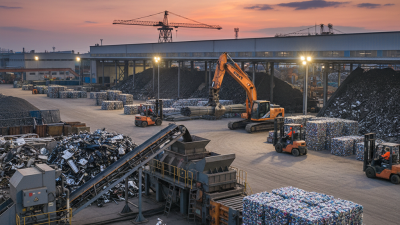
Operating a scrap yard efficiently requires the right tools and equipment. Essential scrap yard equipment can greatly enhance productivity. A reliable forklift is crucial for moving heavy objects. It speeds up operations and reduces the risk of injury.
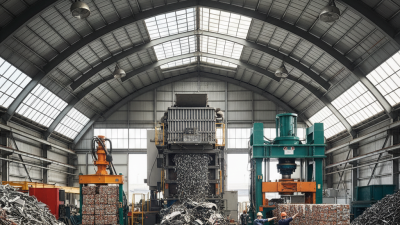
A good baler also plays an important role. It compresses materials into manageable bales. This helps save space and makes transportation easier. While selecting a baler, consider its size and power. A poorly chosen baler can hinder workflow.
Another necessary item is a magnetic separator. This equipment helps to sort ferrous materials quickly. Inefficient sorting can cost time and money. Investing in quality safety gear is essential, too. Workers need protection while operating machinery. Comfort and durability are key factors to consider.
Top 10 Essential Scrap Yard Equipment You Need for Efficient Operations
| Equipment |
Function |
Capacity |
Maintenance Frequency |
Estimated Cost |
| Forklift |
Loading and unloading materials |
5000 lbs |
Monthly |
$25,000 |
| Baler |
Compressing scrap materials |
Up to 40 tons/hour |
Weekly |
$50,000 |
| Shear |
Cutting large scrap metal |
Up to 1.5" thick |
Monthly |
$70,000 |
| Magnet |
Lifting ferrous materials |
Varied capacity |
Quarterly |
$15,000 |
| Loader |
Transporting loose materials |
3 yards |
Bi-weekly |
$30,000 |
| Crane |
Heavy lifting |
Up to 25 tons |
Monthly |
$100,000 |
| Conveyor Belt |
Moving materials |
100 ft |
Quarterly |
$20,000 |
| Granulator |
Shredding materials |
Up to 5 tons/hour |
Monthly |
$60,000 |
| Weighbridge |
Weighing trucks |
Up to 80 tons |
Annually |
$40,000 |
| Dust Extraction System |
Air filtration |
10,000 CFM |
Monthly |
$25,000 |
Understanding the Role of Heavy Machinery in Scrap Processing Efficiency
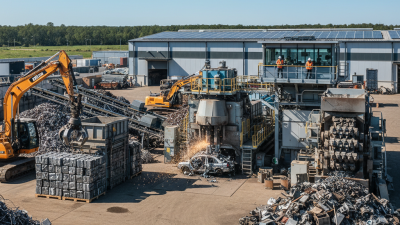
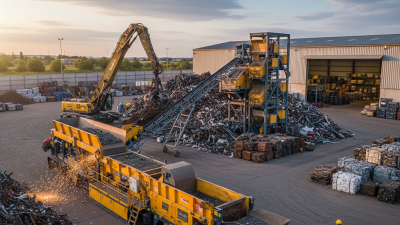
Heavy machinery plays a crucial role in scrap processing efficiency. In scrap yards, excavators, bulldozers, and shears are essential. They help in moving, sorting, and processing various types of scrap materials. Each machine has a specific purpose, enhancing workflow and reducing manual labor. An effective blend of machines can speed up operations. However, understanding how to use them efficiently is vital.
Proper training is necessary to ensure all workers are competent. Even with good equipment, inefficiencies arise from poor handling. Operators need to grasp machine limitations and capabilities. Regular maintenance checks are a must. Machinery can break down unexpectedly, causing delays. It's important to set a routine for inspections. This prevents potential work stoppages, allowing for a smoother workflow.
The layout of equipment can impact productivity. Machines should be placed strategically to minimize downtime. Each piece should be accessible without causing bottlenecks. Reflecting on past experiences can help refine these setups. Learning from mistakes in organization can lead to better efficiency in the future. Balancing equipment usage and workforce engagement is the key challenge.
Evaluating Material Handling Equipment for Optimized Scrap Yard Workflows
Efficient operations in a scrap yard rely heavily on material handling equipment. This equipment directly impacts workflow and productivity. According to a recent industry report by the Scrap Recycling Industry Association, optimizing equipment use can increase operational efficiency by up to 30%. Investing in high-quality material handling tools ensures that workers can manage scrap efficiently and safely.
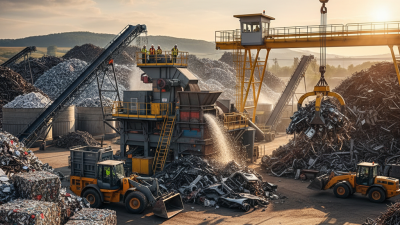
Forklifts, balers, and conveyor systems are vital to navigating the complexities of scrap materials. Each piece of equipment plays a crucial role. For instance, a well-maintained baler reduces the handling time by compressing materials into manageable bales. This can significantly reduce the workforce needed for sorting and packing. Lack of proper equipment can lead to bottlenecks, which ultimately decreases profitability.
However, acquiring the right machinery is not always straightforward. Equipment costs can be high, and maintenance demands vary. Many companies overlook the long-term costs of underperforming equipment, which can lead to inefficiencies. Regular evaluation and updates are necessary to ensure optimal performance. An adaptable approach to upgrading equipment is key to staying competitive in the evolving scrap industry.
Top 10 Essential Scrap Yard Equipment for Efficient Operations
This bar chart illustrates the importance of various equipment used in scrap yard operations, highlighting their effectiveness in optimizing workflows.
The Importance of Safety Gear and Protocols in Scrap Yard Operations
In scrap yard operations, safety gear is paramount. Workers face various hazards, such as sharp metals and heavy machinery. Wearing hard hats, gloves, and steel-toed boots is essential. These items protect workers from injuries that can occur during daily tasks. Eye protection is also critical; debris can fly unexpectedly, leading to severe eye damage.
Protocols are just as important as gear. Training sessions should happen regularly. Workers must understand the risks and how to handle equipment safely. A dedicated safety officer can enforce these protocols, ensuring compliance. It's not uncommon for safety measures to be overlooked during busy periods. This oversight can lead to accidents that compromise worker safety.
Communication plays a vital role in enhancing safety. Clear signage around the yard can remind workers of potential dangers. Regular safety drills keep everyone prepared for emergencies. Reflecting on past incidents helps improve protocols. Each accident serves as a lesson, emphasizing the need for vigilance and adherence to safety standards.
Analyzing Technology Integration: Software and Automation in Scrap Management
In today’s scrap management, technology integration plays a vital role in enhancing operational efficiency. Many facilities now utilize software to track inventory and manage workflows. This digitization reduces human errors and speeds up processes. Automation is equally important. Machines equipped with advanced sensors can sort materials more accurately than manual labor. Regularly updating these systems ensures they meet current industry standards and demands.
However, relying heavily on technology also poses challenges. Not all staff may be trained in new systems, leading to potential mismanagement. A seamless transition is crucial for maximizing benefits. Additionally, software solutions require regular updates and maintenance. This can strain budgets if not planned properly.
A balanced approach toward automation is essential. While it enhances productivity, it should not replace skilled labor entirely. Combining the strengths of technology with human expertise offers the best outcome. Facilities must continuously assess their technology needs and adapt. This reflective practice helps maintain efficiency in a rapidly evolving market.
Conclusion
In the article "Top 10 Essential Scrap Yard Equipment You Need for Efficient Operations," key aspects of optimizing scrap yard efficiency are discussed. The importance of heavy machinery is highlighted, as it plays a crucial role in improving processing speeds and overall productivity. Additionally, evaluating material handling equipment is essential for streamlining workflows, ensuring safe and efficient operations within the yard.
Safety gear and protocols are emphasized as critical components in maintaining a secure work environment for employees. The integration of technology, including software and automation, is also analyzed for its impact on scrap management processes. Lastly, a cost-benefit analysis underscores the significance of investing in high-quality Scrap Yard Equipment to enhance profitability and operational effectiveness, guiding scrap yard operators toward better financial outcomes.