How to Operate a Material Handler Machine Effectively?
Operating a Material Handler Machine effectively requires skill and knowledge. This heavy machinery plays a vital role in various industries, such as construction and logistics. Proper handling ensures safety and efficiency.
Understanding the components and functions of a Material Handler Machine is crucial. Operators must know the weight limits and operational zones to prevent accidents. Misjudgments can lead to costly mistakes and injuries. Practicing attention to detail can mitigate risks.
Training is essential for all operators. Utilizing the machine's features can enhance productivity. However, operators should also reflect on their techniques and experiences for continuous improvement. Engaging with the equipment fosters confidence and mastery. Awareness of common pitfalls can lead to better performance and safety.
Understanding the Basic Components of a Material Handler Machine
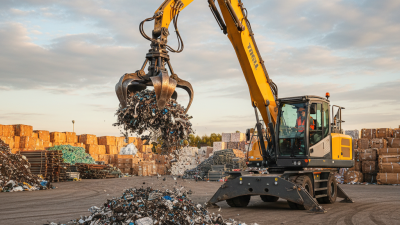
A material handler machine is essential for many industries. Understanding its basic components is crucial for effective operation. Key parts include the boom, bucket, and chassis. The boom provides reach and flexibility. It connects to the bucket, which lifts and moves materials. The chassis supports the machine and houses the engine.
The operator must be familiar with these components. Regular maintenance is vital. Check the hydraulic system and ensure it operates smoothly. Any leaks can lead to serious issues. Operators should practice these checks frequently. Ignoring them fosters risks.
It's important to know how to use the controls. Each machine may vary slightly. Training is recommended, but hands-on experience is invaluable. Mistakes happen, and learning from them can enhance skills. Reflect on performance regularly to identify areas for improvement.
Key Safety Procedures for Operating a Material Handler Effectively
Operating a material handler machine requires strict adherence to safety procedures. Understanding the specific functions and controls of the machine is crucial. Always wear appropriate personal protective equipment (PPE) like gloves and safety helmets. Check your surroundings before operating the machine. A clear area reduces the risk of accidents.
Before starting, inspect the material handler. Look for visible damage, check fluid levels, and ensure all safety features are functional. Training on the machine’s operation enhances safety. Many operators overlook this step. Regularly practicing maneuvers can build confidence but also lead to complacency. A cautious approach is essential when lifting heavy loads.
During operation, maintain a safe speed. Rushing through tasks can lead to mistakes. Use all controls carefully, and don’t overload the machine. Communication with team members is vital. Sometimes, operators may focus too much on the task and forget to engage their teammates. Taking time to discuss roles and signals is necessary for a secure work environment.
Optimal Load Handling Techniques for Enhanced Efficiency
Operating a material handler machine requires precision and technique. Mastering optimal load handling techniques can significantly boost efficiency on the job site. Understanding weight distribution is critical. An unbalanced load can tip over, causing accidents. Always ensure that the weight is evenly distributed before moving.
Tips for effective load handling include checking the load’s center of gravity. If you're unsure, test the movement slowly. Communicate with team members to ensure everyone is aware of the load’s movement. This helps prevent accidents. Also, never rush. Fast movements can lead to mistakes.
Regular training sessions can enhance skills. Operators should practice various scenarios with different loads. Reflect on past experiences. Did an improper handling technique lead to an issue? Learning from mistakes is vital. These insights can help refine handling strategies for future tasks.
How to Operate a Material Handler Machine Effectively? - Optimal Load Handling Techniques for Enhanced Efficiency
| Technique |
Description |
Best Practices |
Efficiency Impact |
| Load Assessment |
Evaluate the weight and size of the load to ensure safe handling. |
Use load estimation tools and perform a physical inspection. |
Reduces risk of overload and improves safety. |
| Proper Attachment Use |
Select the right attachments for specific load types. |
Match attachment to load characteristics and follow manufacturer guidelines. |
Enhances control and minimizes damage to loads. |
| Smooth Operation Techniques |
Utilize gradual movements to prevent load shifting. |
Practice gentle accelerations and decelerations. |
Improves safety and reduces wear on equipment. |
| Routine Maintenance |
Regular checks to ensure machine functionality. |
Follow a scheduled maintenance plan and record repairs. |
Increases uptime and prolongs equipment life. |
| Operator Training |
Ensure all operators are trained on machine handling. |
Conduct regular training sessions and refreshers. |
Enhances operational safety and efficiency. |
Maintenance Best Practices to Extend the Life of Material Handlers
Proper maintenance of your material handler is crucial for long-term performance. Regular inspections can prevent unexpected breakdowns. Check fluid levels daily. Ensure that hydraulic fluids are clean and at the right levels. Worn hoses and leaks can lead to significant issues, so replace any damaged parts promptly.
Tips: Schedule monthly checks on the electrical systems. Inspect connections for wear and tear. A tiny loose wire can cause operational disruptions. Also, pay attention to the tires. Proper air pressure and tread depth are essential for safety and efficiency.
Operators should keep the machine clean. Accumulated dirt can lead to corrosion. Wash down the exterior regularly and clear debris from moving parts. Listen for unusual noises during operation. Weird sounds could indicate deeper mechanical issues. Ignoring them may lead to bigger problems down the line.
Training and Certification Requirements for Material Handler Operators
Training and certification for material handler operators is vital for safety and efficiency. According to the Occupational Safety and Health Administration (OSHA), inadequate training contributes to a significant number of workplace accidents. Operators must understand the equipment and safety protocols to minimize risks. A survey by the National Safety Council indicates that companies with trained operators see a 25% reduction in incidents.
Tips: Comprehensive training programs should include both classroom instruction and hands-on practice. This dual approach ensures that operators can apply theoretical knowledge in real-world situations. Regular refresher courses are essential to keep skills current and address new safety regulations.
Certification often requires passing written and practical exams. The American National Standards Institute (ANSI) provides guidelines that many organizations follow for operator competence. Meeting these standards increases employability and workplace confidence. Many employers prefer candidates with certifications from recognized bodies.
Tips: Verify that your training program aligns with industry standards. Maintaining certification may require ongoing education. This commitment not only enhances safety but can also lead to career advancement opportunities. Operators should actively seek feedback on their performance to identify areas for improvement.