Why Are Recycling Centers Essential for Sustainable Waste Management?
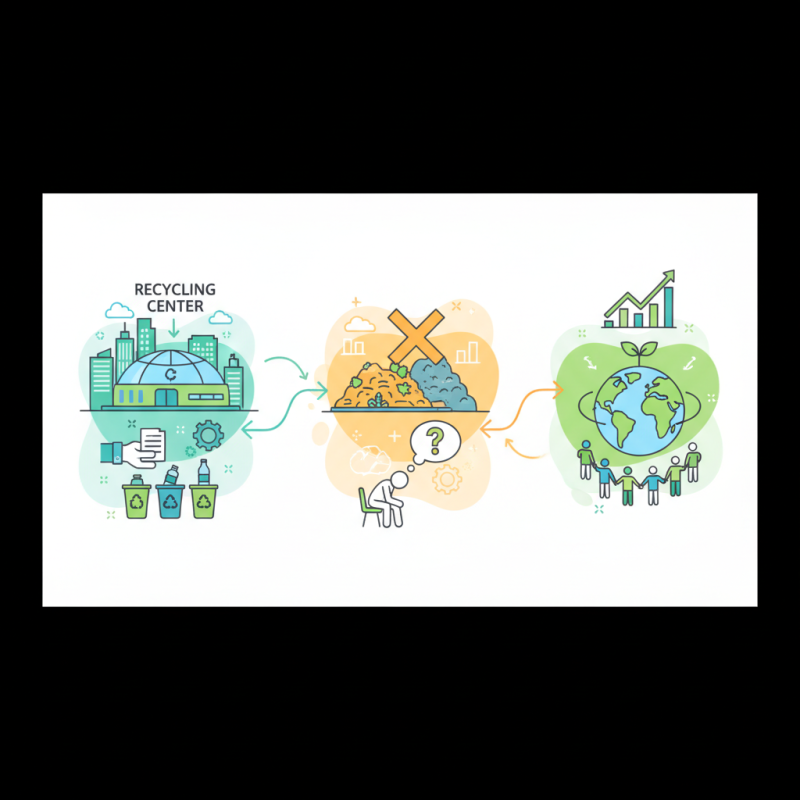
Recycling Centers play a crucial role in sustainable waste management. These facilities help reduce waste by processing various materials. They make it easier for communities to recycle everyday items.
The importance of Recycling Centers lies in their ability to impact the environment. Every bottle, can, and piece of paper recycled reduces landfill waste. However, many people still view recycling as an inconvenience. This mindset often leads to lower participation rates.
Moreover, not all Recycling Centers operate efficiently. Some struggle with public awareness and accessibility. This can create frustration and discourage proper recycling practices. It’s essential for us to reflect on these shortcomings to improve our waste management strategies. By enhancing the role of Recycling Centers, we not only protect the planet but also promote a culture of sustainability.
The Role of Recycling Centers in Reducing Landfill Waste Effectively
Recycling centers play a critical role in effective waste management. These facilities help divert a significant amount of waste from landfills. In the United States, recycling prevents the emission of 186 million metric tons of carbon dioxide equivalent each year. This is like taking 39 million cars off the road. Such an impact highlights their importance.
By providing a dedicated space for sorting and processing recyclable materials, recycling centers streamline waste management. Waste that could pollute the environment is transformed into valuable resources. For instance, recycling one ton of paper saves 17 trees and 7,000 gallons of water. However, many individuals still underutilize recycling services, contributing to unnecessary landfill waste.
Tips: Always rinse containers before recycling. Contamination can lead to entire batches being rejected. Also, check local guidelines. Not all plastics are recyclable everywhere. Educating oneself can enhance recycling rates.
As communities strive for sustainability, the role of recycling centers must not be overlooked. Enhanced awareness and participation are crucial. In some areas, recycling rates lag below 20%. This emphasizes the need for improved outreach and education about recycling practices. The journey to sustainable waste management begins at the local level.
Economic Benefits of Recycling: Job Creation and Resource Recovery
Recycling centers play a vital role in sustainable waste management. They not only help reduce landfill waste, but they also boost the economy. Recycling creates jobs in various sectors, from sorting materials to processing them. Each recycling center can employ a diverse team, providing opportunities for the local community.
The process of recycling recovers valuable resources such as metals, plastics, and paper. These materials can be reused in manufacturing new products, reducing the need for virgin resources. Less extraction means less environmental damage. However, community awareness about the benefits of recycling remains low in many areas. In some cases, people still throw recyclable materials into general trash bins.
Tips: To support local recycling, check your city’s recycling guidelines. Educating yourself helps you recycle properly. Organize a community cleanup event to raise awareness. Simple actions can propel change. Remember, every effort counts in creating a more sustainable future. Encouraging neighbors to participate can also amplify your impact.
Economic Benefits of Recycling: Job Creation and Resource Recovery
Impact of Recycling on Greenhouse Gas Emissions and Climate Change
Recycling plays a crucial role in reducing greenhouse gas emissions. When materials like paper, glass, and metals are recycled, they require less energy for processing. This energy savings translates into fewer fossil fuels burned, decreasing carbon dioxide output. For instance, recycling one ton of paper can save approximately 1.5 tons of carbon dioxide emissions.
However, not all recycling methods are flawless. Contamination in recycling bins can hinder the process. Improper disposal of materials can lead to inefficiencies. It's essential to educate the public on proper recycling practices. Some still confuse recyclable items with non-recyclable waste. The gap between intention and action creates challenges in waste management.
Moreover, transportation of recyclable materials also contributes to emissions. The distance traveled can offset the benefits of recycling. Local recycling centers can help mitigate this issue. They can reduce transportation distances and promote community involvement. Engaging with local initiatives fosters a sense of responsibility. Elevating public awareness about these disparities is fundamental to effective waste management.
Community Engagement and Education Through Recycling Programs
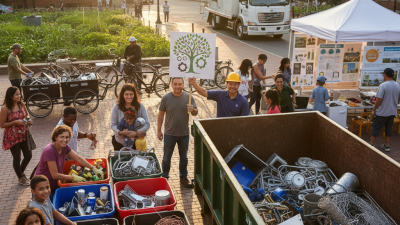
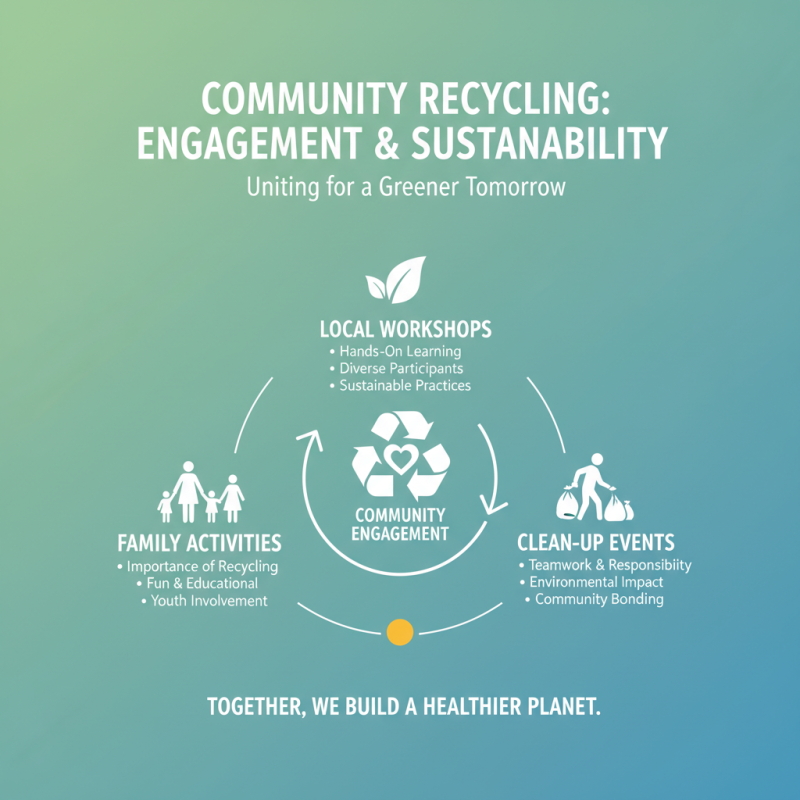
Recycling programs play a vital role in community engagement. They involve residents directly in sustainable practices. Local workshops can attract diverse participants. Families learn the importance of recycling through hands-on activities. Events like clean-up days foster teamwork and responsibility. Adults and kids uncover the impact of waste on the environment together.
However, challenges remain. Some people may not fully understand what can be recycled. Confusion often arises from varying guidelines. This leads to contamination in recycling bins. Community education must address these gaps. Simple, clear messaging is essential. Visual aids can enhance understanding, making it easier to follow guidelines.
Community leaders can promote recycling through regular events. Schools can also be effective platforms for education. Engaging youth creates a culture of sustainability. Despite these efforts, not everyone participates. Continuous outreach and motivation are key. Each step forward is a collective victory, but there’s always room for improvement.
Technological Advancements in Recycling: Enhancing Efficiency and Quality
Technological advancements have dramatically transformed recycling centers in recent years.
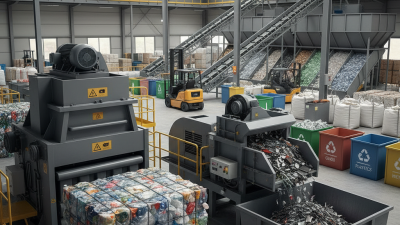
Smart sorting machines can now identify materials more accurately than humans. For example, optical sensors detect different plastics. This leads to higher quality recyclables. However, errors can still occur. Improper sorting remains a challenge, and contamination can decrease the value of recycled materials.
Automation in recycling also boosts efficiency. Robots can handle heavy loads and work around the clock. This reduces the physical strain on workers and increases throughput. Yet, over-reliance on machines can be problematic. Not all items are processed correctly. Human oversight is still essential to ensure accuracy and safety. Innovations need continual assessment to adapt to evolving waste streams.
Public awareness and education also play a role. People may not understand how to recycle properly. Misunderstandings can lead to more waste. Engaging communities through workshops or campaigns can improve participation. Education can drive change, but it requires consistent effort. Overall, while technology enhances recycling, we must reflect on our practices.