Why is Scrap Metal Machinery Essential for Efficient Recycling?
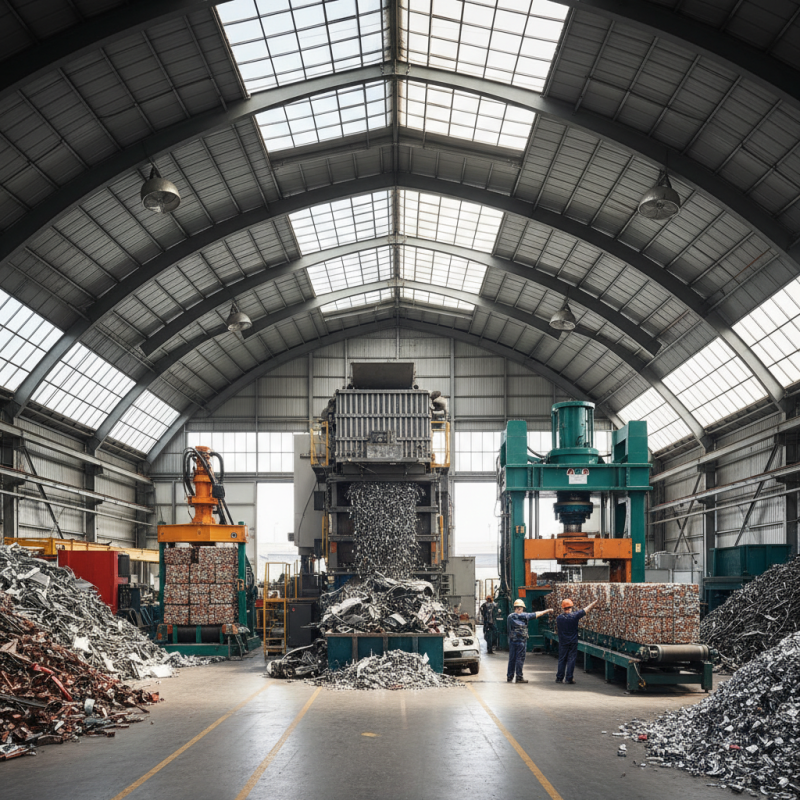
In today's world, efficient recycling is paramount. Scrap Metal Machinery plays a vital role in this process. These machines streamline the recovery of metal, making it more effective and sustainable. They can crush, shred, and compact various types of metals.
However, the reliance on Scrap Metal Machinery raises questions. Are we fully utilizing these machines? Some facilities may overlook maintenance, leading to efficiency issues. Proper maintenance is crucial for optimal performance.
Moreover, technological advancements introduce new functionalities. Yet, not all recycling centers adopt these innovations. This gap highlights a need for reflection within the industry. To achieve true efficiency, embracing the latest Scrap Metal Machinery is essential. It can transform our approach to recycling, but we must be vigilant.
The Role of Scrap Metal Machinery in the Recycling Process
Scrap metal machinery plays a vital role in the recycling process, transforming waste materials into reusable resources. In 2022, the global scrap metal recycling market was valued at approximately $50 billion. This reflects the increasing importance of efficient recycling systems.
Advanced machinery helps in sorting, shredding, and processing metal scrap. For instance, shredders can process tons of metal in a single hour, boosting productivity significantly.
Machinery such as balers and shears optimizes material handling. They compact material into manageable bales, enhancing storage and transportation efficiency. According to industry reports, using specialized machinery can reduce energy consumption by up to 30% during recycling. However, many facilities still rely on outdated equipment. This inconsistency can lead to lower recovery rates and more waste.
Moreover, effective machinery reduces contamination levels, which affects the quality of recycled metal. If not addressed, it can incur significant costs. For many operators, investing in new technology is not a priority. Some may struggle with limited budgets, while others might lack knowledge about the latest innovations. This creates a challenge in fully utilizing the potential of scrap metal machinery. Addressing these gaps is crucial for the future of recycling.
Types of Scrap Metal Machinery and Their Functions
Scrap metal machinery plays a critical role in the recycling process. Various types of machinery are designed for specific functions, enhancing the efficiency of metal recovery. For instance, shredders are used to break down large metal pieces into smaller, manageable sizes. Industry reports suggest that shredding can increase metal recovery rates by up to 30%. This is vital in maximizing resource utilization.
Another key type of equipment is magnetic separators. They are crucial in sorting ferrous materials from non-ferrous. Efficient separation speeds up the recycling process and ensures higher quality output. Studies indicate that the implementation of advanced magnetic separation can improve sorting accuracy by 50%, yielding better financial returns for recyclers.
Baling machines also deserve attention. They compress and bundle scrap metals, making storage and transportation easier. Compact bales save space and cut transportation costs. However, not all recyclers utilize this technology. Some struggle with outdated equipment, limiting their operational potential. Upgrading machinery often results in improved operational flow and increased profits. Investing in modern scrap metal machinery is essential for a sustainable and efficient recycling industry.
scrap Metal Machinery Efficiency in Recycling
This bar chart illustrates the efficiency rating of various types of scrap metal machinery used in the recycling process. A higher efficiency rating indicates better operational performance, thus contributing to more effective recycling practices.
How Efficient Machinery Improves Recycling Outcomes
Efficient machinery plays a crucial role in improving recycling outcomes. According to a report by the Institute of Scrap Recycling Industries, recycling saves approximately 1.17 billion gallons of oil each year. This significant reduction in resource consumption directly ties to the effectiveness of scrap metal machinery.
Modern machinery enables faster processing of scrap materials. For example, hydraulic shears can cut through metal swiftly and precisely, reducing processing time by up to 30%. This efficiency allows recyclers to increase their throughput and subsequently their profitability. As noted in a survey by Recycling Today, 78% of recyclers reported enhanced productivity due to updated equipment.
Nevertheless, not all facilities have adopted the latest technologies. Many still rely on outdated systems, which can lead to inefficiencies. Such machinery often fails to separate materials effectively, resulting in lower recycling rates. Data from the National Recycling Coalition indicates that as much as 90% of metals can be recycled, yet many operations miss this potential due to inadequate machinery. Without continuous investment in technology, the recycling industry risks stagnation.
Why is Scrap Metal Machinery Essential for Efficient Recycling?
| Machinery Type |
Functionality |
Efficiency Gain (%) |
Recyclable Material |
Impact on Environment |
| Shearers |
Cut large metals into manageable pieces |
30% |
Steel, Iron |
Reduces landfill waste |
| Balers |
Compress metals into bales for shipping |
25% |
Aluminum, Copper |
Decreases transportation emissions |
| Granulators |
Shred metals into small particles for further processing |
40% |
Copper, Aluminum |
Enhances recycling efficiency |
| Magnetic Separators |
Separate ferrous metals from non-ferrous |
35% |
Steel, Aluminum |
Improves metal recovery rates |
| Hydraulic Presses |
Compact metals for easier processing |
20% |
Mixed Metals |
Lowers resource extraction demand |
Environmental Benefits of Using Advanced Scrap Metal Equipment
Scrap metal machinery plays a crucial role in recycling. Efficient equipment can significantly reduce waste and boost recovery rates. By processing metals with advanced techniques, recyclers can maximize the value of scrap. This leads to smoother operations and less environmental strain.
Using modern scrap metal equipment benefits the environment. For example, it minimizes the energy required for recycling. This results in lower carbon emissions throughout the process. Additionally, advanced machinery often produces cleaner end products. Cleaner metals mean that fewer toxins re-enter our ecosystem.
However, there are challenges to consider. Not all facilities have the budget for advanced technology. Some may choose to stick with older, less efficient machinery. This decision can lead to more waste and higher emissions. Reflecting on these choices is essential. Embracing change can impact both the industry and the environment positively.
Challenges and Innovations in Scrap Metal Recycling Technology
Scrap metal recycling faces various challenges and innovations that impact its efficiency. According to industry data, the recycling rate for steel in the United States is around 70%. However, not all metals reach this level. Contaminated materials often decrease recycling effectiveness. Many facilities struggle with outdated machinery, making the separation process challenging. Improved technology, like automated sorting systems, can significantly enhance recovery rates.
Tips: Regular maintenance of machinery is crucial. It prevents unexpected breakdowns and ensures efficiency.
Innovative technologies are emerging in the scrap metal industry. Advanced sensors and AI integration improve sorting accuracy. These innovations help minimize waste in landfills. However, the transition requires investments, which some smaller businesses may find difficult. The knowledge gap in operating new technologies is another hurdle. Workforce training is often overlooked yet vital for successful implementation.
Tips: Consider collaborating with tech providers for training sessions. Investing in staff skills pays off long-term.
Finding solutions to these challenges is ongoing. While recycling rates improve, the sector must adapt to new technologies continuously. Awareness of market trends can enhance operational strategies too.