Top 5 Scrap Yard Machines You Need for Efficient Recycling?
In the fast-paced world of recycling, efficiency is crucial. Scrap yard machines play a pivotal role in maximizing productivity. According to Dr. Emily Carter, an expert in waste management technologies, “The right scrap yard machine can transform an operation overnight.” Her insights highlight the need for advanced equipment in scrap yards.
Selecting the right machines is not always straightforward. Each type of scrap yard machine comes with its unique set of benefits and challenges. For instance, balers compact materials, while crushers reduce size for easy handling. Understanding these nuances is essential for optimizing performance. The wrong choice might lead to inefficiencies, excessive downtime, or even increased operational costs.
Investing in modern scrap yard machines can boost recycling rates significantly. However, it requires a keen eye for detail. Regular maintenance is often overlooked but is vital for longevity. Even the best machinery can fail without proper care. As industry practices evolve, scrap yard operators must stay informed and adaptable. Embracing innovation and learning from past mistakes will ensure a prosperous future in recycling.
Top 5 Essential Machines for Enhancing Scrap Yard Efficiency
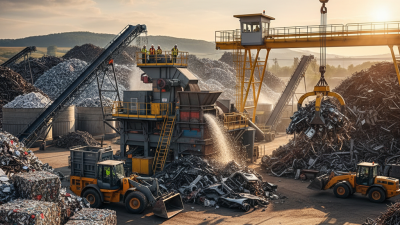
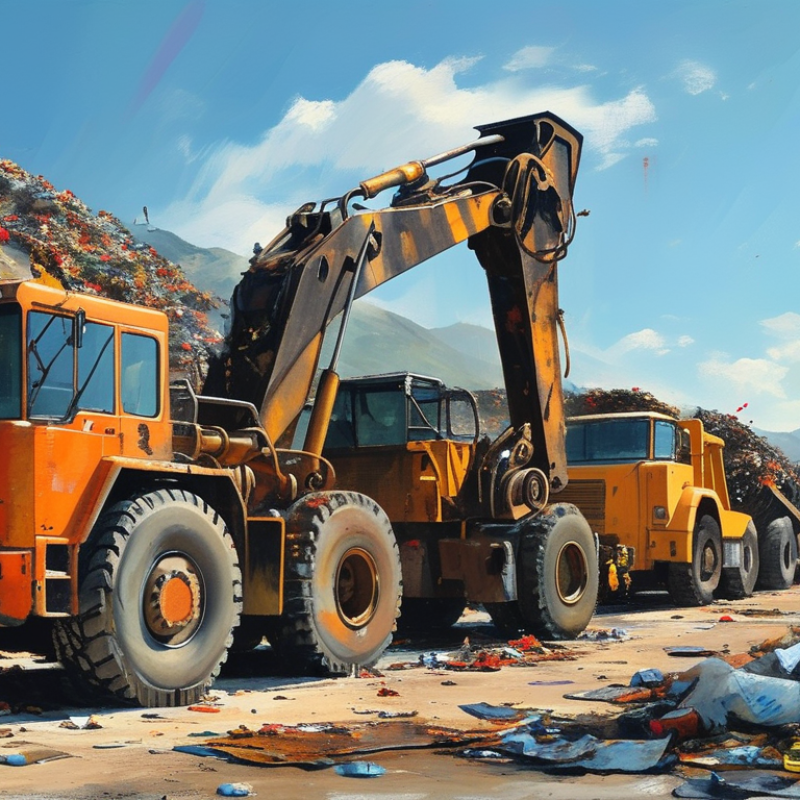
In the dynamic world of scrap recycling, efficiency is key. Investing in the right machines can significantly enhance productivity. A mobile shear, for instance, is crucial. It cuts metals into manageable sizes, making transportation easier and more efficient. This machine reduces waste and maximizes scrap value.
A baler is another essential tool. It compresses scrap materials into compact bales. This not only optimizes storage space but also streamlines the loading process. Using a baler can considerably speed up operations, allowing for faster turnaround times. It's worth mentioning that regular maintenance is necessary to avoid breakdowns.
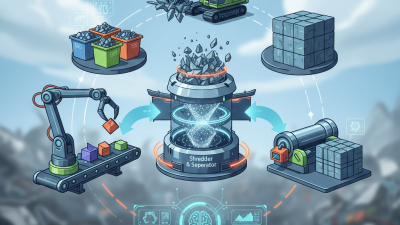
Consider integrating a shredder into your operation. This machine breaks down large items into smaller pieces. This process makes recycling easier and more efficient. However, the choice of a shredder should match the type of materials processed. Not every shredder suits every kind of scrap.
Investing in these machines can transform your scrap yard. Efficiency not only boosts productivity but also enhances profitability. Think about how each machine can cater to your specific needs before making a purchase. Evaluate their compatibility with your existing setup to maximize effectiveness.
Key Features to Look for in Scrap Yard Machinery
When selecting machinery for scrap yards, certain key features are essential for enhancing efficiency. One of the most critical elements is durability. Equipment needs to withstand the harsh conditions of a scrap yard. According to the Institute of Scrap Recycling Industries (ISRI), machinery with high-quality materials can reduce maintenance costs by up to 30%. This can significantly impact the overall operational budget.
Another important consideration is mobility. Mobile scrap processing machines allow for flexible operations across various locations. A report by the Recycling Economic Information (REI) shows that mobile solutions can improve processing times by 25%. This agility boosts productivity and enables yards to adapt quickly to changing demands.
Energy efficiency is also paramount. Machinery that consumes less energy not only reduces costs but also supports environmental sustainability. Research indicates that energy-efficient equipment can lower operating costs by approximately 15%. However, finding the right balance between cost and performance often requires trial and error. It's crucial to evaluate machinery in real-world conditions and gather feedback to enhance operational workflows.
Top 5 Scrap Yard Machines You Need for Efficient Recycling
| Machine Type |
Key Features |
Efficiency Rating |
Maintenance Frequency |
| Metal Shear |
High cutting capacity, Portable design |
90% |
Monthly |
| Baler |
Automatic operation, Compact bales |
85% |
Quarterly |
| Shredder |
Multi-material handling, High torque |
88% |
Biannually |
| Granulator |
Fine material processing, Low energy consumption |
87% |
Monthly |
| Loader |
Versatile attachments, High lifting capacity |
92% |
Monthly |
Impact of Automation on Recycling Process Efficiency
The impact of automation on recycling processes is profound. Several reports indicate that automation can enhance sorting accuracy by up to 30%. This increased precision leads to higher-quality material recycling, reducing the amount sent to landfills. Automated systems are particularly effective in separating metals and plastics, which can be notoriously challenging manually.
According to a study by the Ellen MacArthur Foundation, implementing automation in recycling facilities could reduce operational costs by 20% to 40%. These savings can be redirected towards further innovation and improvements in recycling technology. With efficient machine learning algorithms, systems can adapt to changing material streams and optimize the separation process in real-time.
However, the shift towards automation is not without challenges. Many facilities face initial high capital investments and a lack of skilled workforce to manage advanced technologies. These factors can hinder the widespread adoption of automated solutions. There is also a risk of reliance on technology, which may lead to potential operational failures if not overseen properly. Balancing automation with human oversight remains a key consideration in achieving an efficient recycling process.
Top 5 Scrap Yard Machines Impacting Recycling Efficiency
This bar chart illustrates the efficiency improvements in recycling processes brought by the top five scrap yard machines, with automated and manual systems compared across different efficiency metrics.
Cost-Benefit Analysis of Investing in Advanced Recycling Equipment
Investing in advanced recycling equipment can bring significant benefits. Machines like shredders and balers increase efficiency. They reduce manual labor and process materials quickly. However, the initial costs can be daunting. It's crucial to balance expenses against potential gains.
Considering the long-term impact is essential. More efficient machines can lead to better recovery rates. This means less waste in landfills and more material for reuse. Some facilities see a return on investment within a few years. Others may take longer, depending on local market conditions.
Maintenance costs are another factor. Advanced machines often require skilled operators. Training staff adds to initial expenses but can enhance productivity. Investing in training may yield better overall results. It's a cycle of costs and benefits that requires careful consideration. Each operation needs to assess its situation carefully.
Case Studies: Successful Implementation of Scrap Yard Technologies
The implementation of advanced technologies in scrap yards has transformed recycling efficiency. A case study from the National Recycling Coalition highlights that automation can boost productivity by up to 30%. Integrating high-capacity shredders and advanced sorting systems allows for better material recovery rates. These machines separate metals, plastics, and other materials swiftly. As a result, the operational turnaround time shrinks significantly.
Another report from the Solid Waste Association of North America reveals that adopting mobile processing equipment can improve recycling accessibility. This approach enables scrap yards to reach underserved areas, increasing the volume of collected materials. However, the initial investment for these technologies can be high. Decision-makers must assess potential ROI carefully. Some yards report operational challenges with integration, indicating the need for training and adaptation.
Moreover, real-world examples show that facilities can struggle with maintenance issues as they scale. Without sufficient training, staff may mishandle complex machinery. This misstep can lead to downtime and increased repair costs. Awareness of these challenges is crucial for a successful transition to technology-driven operations.