Top Skills Needed for Material Handlers to Excel in Their Careers
In today's fast-paced industrial landscape, the role of a Material Handler has become increasingly vital to the efficient functioning of supply chains and manufacturing operations. These professionals are tasked with managing the movement, storage, and distribution of materials, making their skills critical to the success of any organization. As industries continue to evolve, so too do the demands placed on Material Handlers, necessitating a diverse set of skills that can adapt to changing environments and technologies.
To excel in their careers, Material Handlers must cultivate a unique blend of technical abilities, physical prowess, and soft skills. Proficiency in operating specialized equipment, understanding safety protocols, and maintaining accurate inventory management are foundational components of the role. Additionally, soft skills such as teamwork, communication, and problem-solving are equally essential, as Material Handlers often collaborate with various departments and must effectively communicate logistical needs and challenges.
As we delve into the top skills that are indispensable for Material Handlers seeking to enhance their career prospects, it becomes clear that a focus on training and continuous improvement will set them apart in a competitive job market. Embracing both the hard and soft skills required in this dynamic field will not only elevate their professional growth but will also contribute to the overall efficiency and effectiveness of their organizations.
Essential Communication Skills for Material Handlers in the Workplace
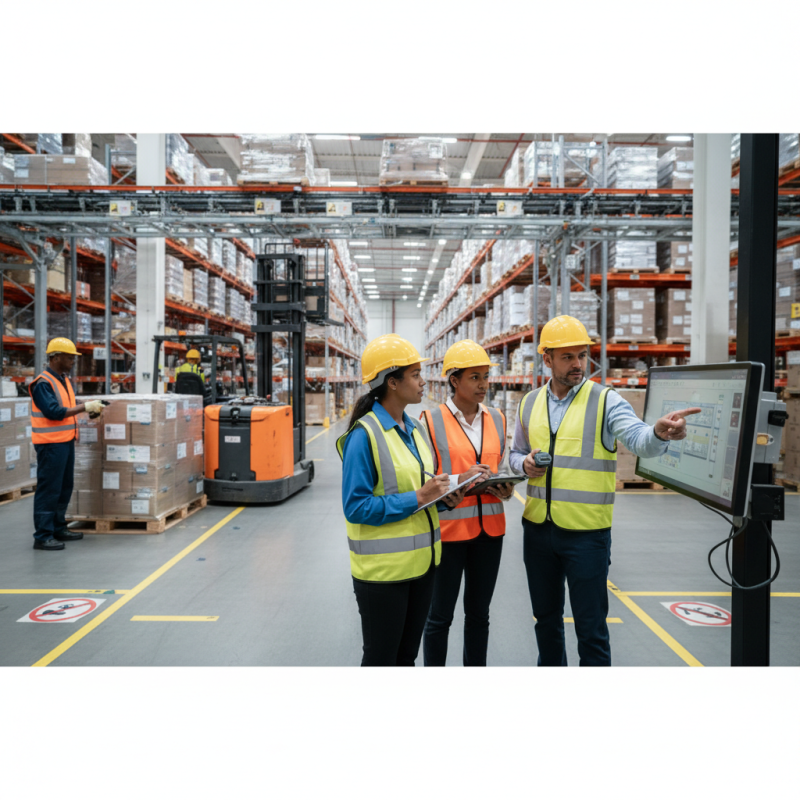
Effective communication is a cornerstone skill for material handlers, as it directly impacts workflow efficiency and safety. Material handlers often work in dynamic environments where clear instructions and collaborative efforts are essential. For instance, they must communicate effectively with team members to ensure smooth loading and unloading processes. This involves not only verbal communication but also the ability to use hand signals or other non-verbal cues, especially in noisy settings where verbal instructions may be difficult to hear.
Additionally, conflict resolution and active listening play significant roles in the day-to-day operations of material handlers. A material handler who listens attentively to coworkers can better understand their needs and concerns, leading to a more harmonious work environment. Moreover, resolving misunderstandings swiftly can prevent potential delays and enhance productivity, making communication skills vital for career advancement in this field. By honing these interpersonal skills, material handlers can contribute to a safer and more efficient workplace, positioning themselves as valuable team members.
Importance of Physical Fitness and Stamina for Material Handling Tasks
Physical fitness and stamina are crucial components for anyone looking to excel as a material handler. The nature of the job often involves lifting heavy objects, moving materials over various distances, and performing tasks that require both strength and endurance. A physically fit material handler is better equipped to handle the demands of the job, reducing the risk of injury and fatigue. Regular exercise not only improves physical strength but also enhances flexibility and coordination, enabling workers to navigate their tasks more efficiently.
Moreover, stamina plays a significant role in maintaining productivity throughout the workday. Material handlers often face long hours of physical labor, which can be exhausting. Those who prioritize their fitness will find they can sustain their energy levels and remain focused on their tasks, leading to improved performance and job satisfaction. Incorporating aerobic exercises, strength training, and flexibility workouts into a regular routine helps develop the necessary stamina to meet the physical challenges of material handling. By investing in their physical well-being, material handlers can significantly enhance their career prospects while ensuring a healthy and safe working environment.
Understanding Safety Protocols and Compliance in Material Handling
Understanding safety protocols and compliance in material handling is crucial for every professional in the field. Material handlers operate in environments where heavy equipment, hazardous materials, and complex logistics are commonplace. Therefore, being well-versed in safety regulations, such as those set by occupational safety organizations, is essential for mitigating risks.
Safety protocols encompass a wide range of practices, including the proper usage of personal protective equipment (PPE), safe lifting techniques, and the importance of maintaining a clean and organized workspace to prevent accidents.
Moreover, compliance with safety regulations not only protects the health and well-being of workers but also enhances overall operational efficiency. Workers who adhere to established protocols contribute to a culture of safety that can lead to fewer accidents and injuries, reducing downtime and associated costs. Training in these protocols should be ongoing, ensuring that all employees are updated with the latest safety measures and compliance requirements. This commitment to safety fosters a proactive approach, empowering material handlers to identify potential hazards before they escalate into serious incidents, ultimately paving the way for a more productive workplace.
Technical Proficiency with Handling Equipment and Machinery
Technical proficiency with handling equipment and machinery is essential for material handlers seeking to excel in their careers. According to a 2022 report by the Bureau of Labor Statistics, a growing number of job openings in the warehousing and logistics sectors are attributed to the rise in e-commerce, which has amplified the need for skilled material handlers. These professionals are expected to operate various machinery such as forklifts, pallet jacks, and conveyor systems efficiently and safely. Mastery of these tools not only ensures operational efficiency but also minimizes the risk of accidents, underscoring the importance of comprehensive training programs in workplace safety and equipment handling.
Moreover, a survey conducted by the Material Handling Industry (MHI) highlights that employers are increasingly prioritizing technical skills among candidates. Approximately 70% of hiring managers indicated that proficiency in modern handling equipment significantly influences their hiring decisions. As automation and technology advance, material handlers must adapt to new equipment and systems, reinforcing the necessity for ongoing training and certification. Embracing this focus on technical proficiency enables material handlers to improve productivity, respond to the dynamic needs of the industry, and ultimately position themselves for career advancement in a competitive job market.
Problem-Solving Skills for Efficient Material Management and Logistics
Effective material management and logistics are crucial for the smooth operation of supply chains, making problem-solving skills an essential competency for material handlers. According to a report by the Material Handling Industry of America (MHIA), organizations that embrace robust problem-solving strategies can reduce operational costs by up to 20%. Material handlers frequently face challenges such as delays in shipment, inventory discrepancies, and equipment malfunctions. The ability to quickly analyze these issues and implement workable solutions directly impacts not only efficiency but also overall productivity.
Problem-solving skills enable material handlers to assess situations critically and devise strategic responses to unforeseen obstacles. For instance, a study by the Council of Supply Chain Management Professionals (CSCMP) highlights that companies with strong problem-solving capabilities outperform their competitors, experiencing up to a 10% increase in fulfillment accuracy and a corresponding rise in customer satisfaction. In an industry where time is of the essence, the capacity to troubleshoot issues effectively allows material handlers to maintain workflow continuity and minimize disruptions. As supply chains continue to grow in complexity, the demand for skilled material handlers proficient in problem-solving will only increase, underscoring the need for continued professional development in these vital areas.