China Top 10 Excavator Attachments You Need to Know?
In the rapidly evolving construction industry, understanding the various excavator attachments is crucial for maximizing efficiency and productivity. Excavators, with their versatility, can be fitted with numerous attachments to tackle different tasks. According to a recent industry report by Research and Markets, the global excavator attachments market is projected to grow significantly, driven by advancements in technology and increasing demand for construction equipment.
Excavator attachments not only enhance the capabilities of the machinery but also lead to cost savings. The right attachments can reduce labor costs and time, making projects more efficient. For instance, using a hydraulic hammer or auger can complete tasks traditionally requiring multiple machines. This adaptability is essential in today’s competitive environment, where construction companies seek every opportunity to optimize their operations.
However, selecting the right excavator attachments requires careful consideration. Not every attachment is suitable for every job, and choosing the wrong one may lead to inefficiencies or equipment damage. As the market expands, industry insights and expertise become vital in making informed decisions, ensuring that operators get the most from their excavators and attachments. Understanding these dynamics is key for stakeholders aiming to stay at the forefront of the construction sector.

China's Leading Excavator Attachments: An Overview
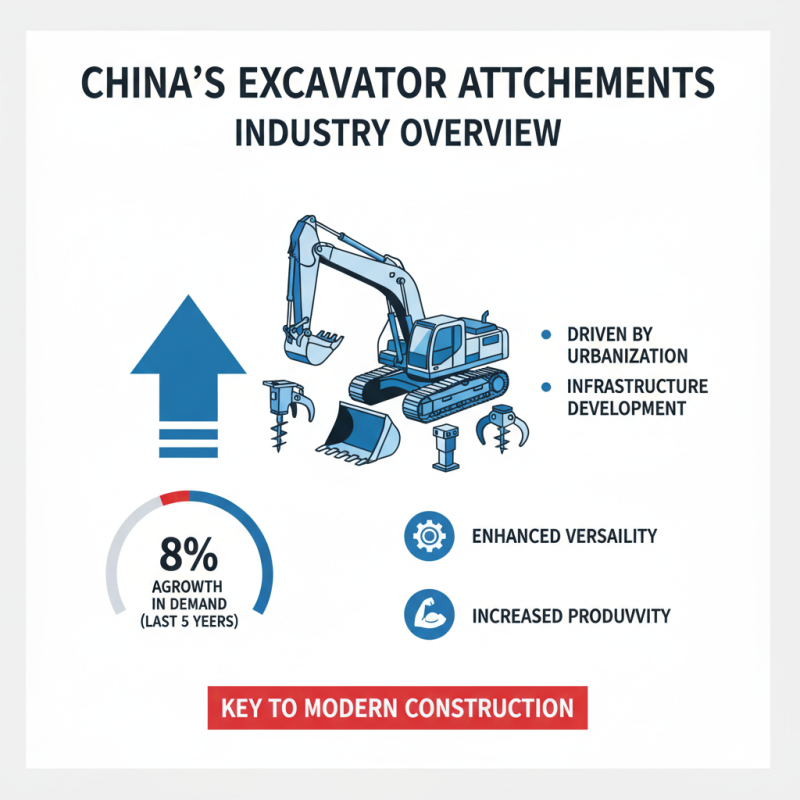
China's excavator attachments are vital in construction and heavy machinery sectors. According to industry reports, the demand for excavator attachments has increased by 8% annually in the past five years. This surge is driven by urbanization. Cities require efficient equipment for infrastructure development. Attachments help enhance the versatility and productivity of excavators.
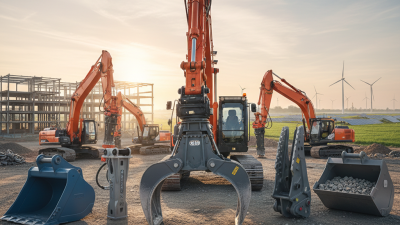
Common attachments like buckets, hammers, and grapples cater to different tasks. Each type has its unique design features tailored for specific operations. For instance, hydraulic hammers are suitable for breaking concrete, demonstrating the need for specialized tools. Conversely, standard buckets are versatile but may not always maximize efficiency for every job.
The industry faces challenges. Quality control remains a concern for some manufacturers. Not all attachment suppliers meet rigorous safety and quality standards, leading to reliability issues. Furthermore, the rapid advancement of technology calls for constant adaptation. Many companies struggle to keep pace, risking obsolescence. Understanding these nuances is crucial for buyers looking to maximize investment in excavator attachments.
Types of Excavator Attachments Commonly Used in China
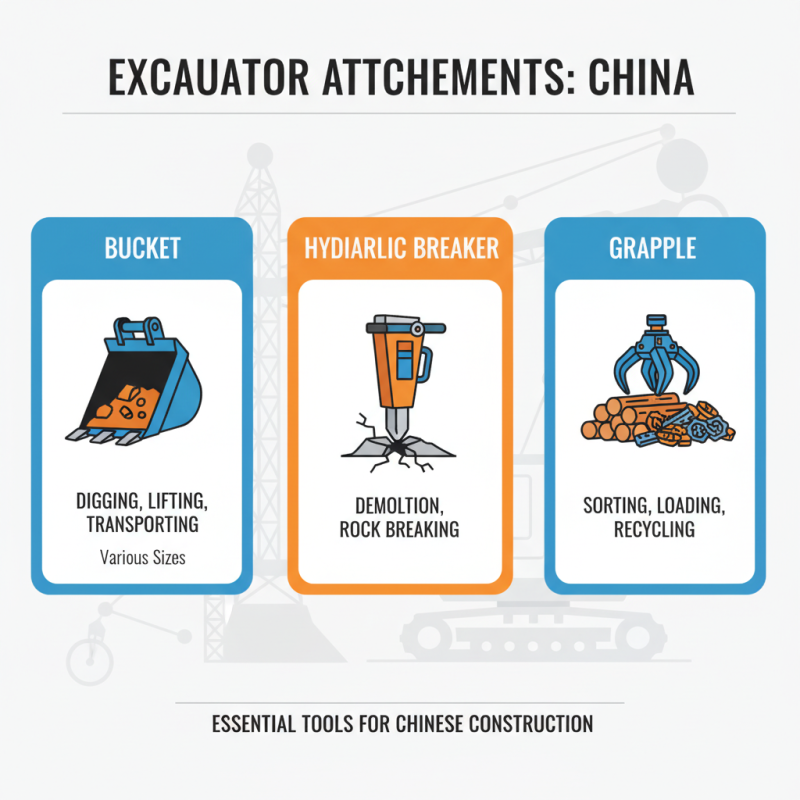
Excavator attachments are essential tools in various construction projects in China. These attachments enhance the versatility, efficiency, and capability of excavators. Among the most common types, the bucket attachment stands out. It is used for digging, lifting, and transporting materials. The bucket size can vary based on the job requirements.
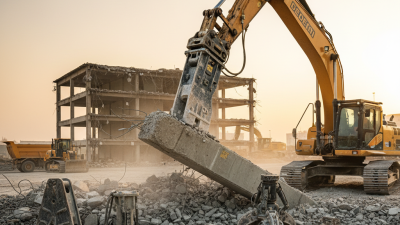
Another vital attachment is the hydraulic hammer. This tool is designed for breaking concrete, rocks, and asphalt. Its powerful impact makes it an excellent choice for demolition work. Workers often find that using a hydraulic hammer significantly speeds up the process.
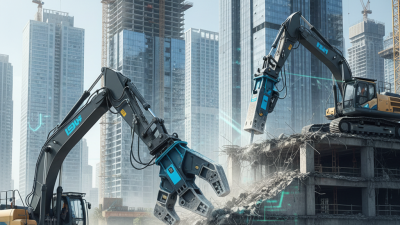
Additionally, the grapple attachment is popular for handling large materials like logs or scrap metal. It offers precision and control during lifting operations, making it ideal for forestry and recycling tasks. However, some users sometimes struggle with attachment compatibility. Mismatched equipment can lead to inefficiencies and increased expenses. Proper training and experience in using excavator attachments are crucial for maximizing productivity on the job site.
Key Features to Consider When Choosing Excavator Attachments
Choosing the right excavator attachments is crucial for
efficiency and productivity. When considering attachments, one should analyze the
specific requirements of the job.
Compatibility with your excavator’s size and power can greatly affect performance.
This ensures the attachment works seamlessly with the machine.
Durability is another essential feature. Attachments experience significant wear
and tear. Investing in robust materials
can reduce long-term costs. Moreover, consider the weight of the attachment. Too heavy
an attachment can lead to operational issues. Conversely, if it’s too light, it might not perform
effectively.
Lastly, think about maintenance requirements. Some attachments demand more
upkeep than others. Regular maintenance can help prevent unexpected downtimes. Ensure you understand
the care required. This proactive approach could save time and money in the long run.
Select attachments tailored to your work environment and frequent tasks for optimal results.
Top 10 Excavator Attachments Popular in the Chinese Market
In the dynamic Chinese market, excavator attachments play a crucial role in enhancing productivity. The diversity of applications requires specific tools tailored for various tasks. For instance, a bucket attachment is essential for digging and hauling. It can handle different materials, from soil to gravel. A grapple attachment is popular for handling heavy materials. Its design allows for greater control and efficiency.
Another sought-after tool is the hydraulic hammer. This attachment excels in breaking concrete and rock. Users appreciate its impact force and precision. Some operators prefer a tiltrotator for more versatility. It enables the operator to rotate and tilt the bucket, offering improved angles and reach. It can be beneficial in tight spaces.
However, not all attachments work seamlessly in every scenario. Compatibility with different excavator models can be an issue. Operators often find themselves reflecting on their choices as they navigate these complexities. Attachment weight and size can also impact performance. Ensuring the right balance between power and control is key to maximizing efficiency.
Top 10 Excavator Attachments in the Chinese Market
Maintenance Tips for Maximizing Excavator Attachment Lifespan
Maintaining excavator attachments is crucial for long-term performance. Regular maintenance can enhance their lifespan significantly. For example, according to a recent industry survey, properly maintained attachments can last up to 25% longer. This statistic underlines the importance of routine check-ups.
Routine inspections should focus on wear components. Hydraulic hoses, pins, and bushings require particular attention. Implementing a daily greasing schedule can minimize friction and wear. Studies suggest that just a few minutes of daily maintenance can prevent costly repairs. Many operators overlook small issues. Ignoring them can lead to expensive replacements.
Keep the attachment clean. Dirt and debris can affect performance. After each job, simply hosing down the attachment can work wonders. Moreover, consider storing them in a dry place. Moisture can lead to rust. A reliable report indicated that 30% of attachment failures stem from corrosion.
Monitor operating conditions regularly. Unusual noises often signal wear or damage. Being proactive can save time and money. The goal is to ensure your attachments work efficiently for years. Ignoring maintenance is a common pitfall. Don't let small issues escalate into major problems.