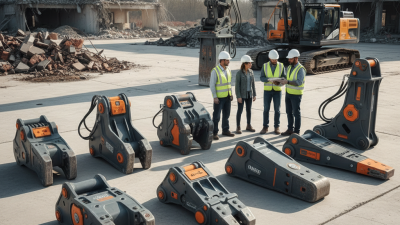
Top Excavator Demolition Attachments for Efficient Projects?
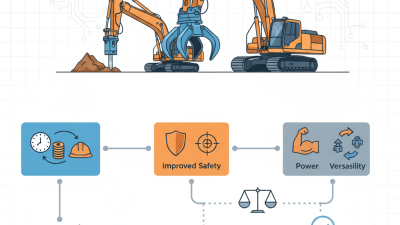
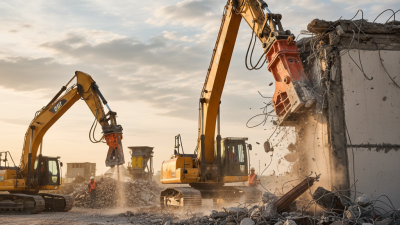
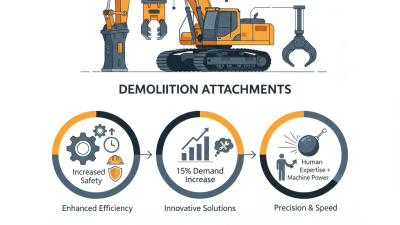
In the ever-evolving realm of construction, efficiency and precision are paramount. Excavator demolition attachments play a pivotal role in achieving these goals. These specialized tools enhance the capabilities of excavators, making them ideal for various demolition tasks. The right attachment can significantly streamline processes, reduce project timelines, and improve overall safety on site.
Each attachment brings its own strengths. Some excel in breaking concrete, while others are designed for delicate dismantling. Selecting the correct excavator demolition attachment can be daunting. It requires a deep understanding of project needs and equipment compatibility. Some contractors may underestimate this importance and face setbacks.
On the other hand, leveraging the right attachments can transform challenges into opportunities. Understanding operational needs is essential. Evaluating attachment features is just as critical. The journey towards efficiency begins with informed choices.
Understanding the Importance of Excavator Demolition Attachments
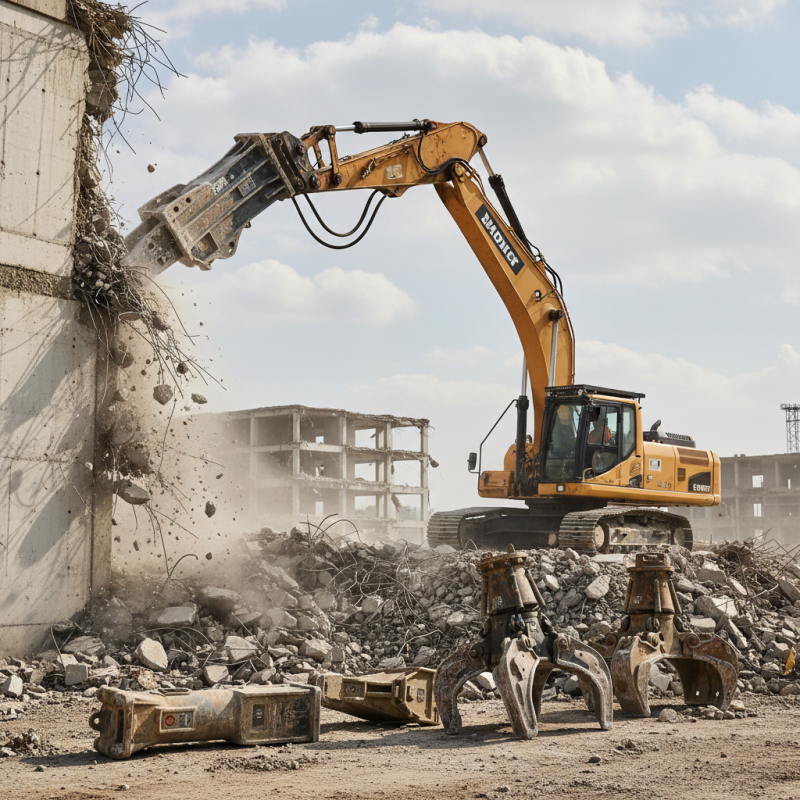
Understanding the importance of excavator demolition attachments is crucial for any demolition project. These tools enhance an excavator’s versatility and efficiency. Attachments like hydraulic hammers and shears can dramatically reduce project time. Each attachment has specific applications, making it vital to choose the right one for the task. This helps avoid costly mistakes and inefficiencies.
Using high-quality demolition attachments also ensures safety on the job site. They minimize risks associated with manual demolition methods. However, selecting the right attachment can be tricky. Not all operators are well-trained, and improper use can lead to equipment damage or personal injury. Regular training and equipment checks are essential to maximize their effectiveness.
Ultimately, the right equipment can make or break a project’s success. Understanding the unique challenges of each task is key. Operators should assess the type of materials involved and site conditions. Without this knowledge, even the best attachments may not perform as expected. Therefore, constant evaluation and learning are important in achieving efficient demolition outcomes.
Types of Excavator Demolition Attachments and Their Functions
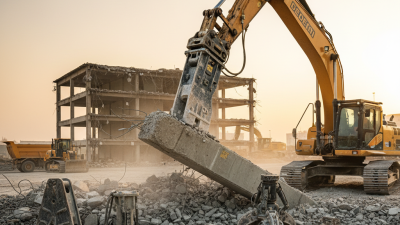
Excavator demolition attachments facilitate efficient project execution. There are several types, each serving unique functions. Crushers are popular for breaking down concrete structures. They effectively reduce large materials into smaller, manageable sizes. These attachments excel in handling tough demolition tasks. Their hydraulic mechanisms ensure powerful operation, but they can struggle with uneven surfaces.
Another common attachment is the shear. Shears cut through metal and reinforced concrete with precision. They are essential for dismantling steel structures quickly. However, proper usage and maintenance are vital to avoiding wear and tear. Operators must be skilled to maximize their effectiveness.
Thumbs allow for better grasping and lifting of materials. They can elevate debris off the ground, providing more control during the demolition process. While they enhance productivity, they require careful coordination with other attachments. Each attachment has its strengths and weaknesses. Perfection isn’t always attainable in demolition work. Continuous learning and adaptation are crucial for success.
Top Excavator Demolition Attachments for Efficient Projects
Factors to Consider When Choosing Excavator Attachments
When choosing excavator attachments for demolition projects, several factors come into play. Compatibility with the machinery is crucial. Each attachment must fit well with the specific model and type of excavator being used. This ensures efficient operation and maximizes productivity. Operators should always check the specifications and capabilities of the attachments before making a selection.
Another important consideration is the material of the attachment. Different projects require different levels of durability and strength. For example, some tasks might demand heavy-duty attachments built for tough materials. Others may need lightweight options for more delicate operations. Additionally, the attachment's weight impacts the excavator's stability. An improperly matched weight can lead to safety concerns.
Cost-effectiveness is also significant. The initial price of attachments might be tempting, but long-term efficiency is key. Investing in high-quality attachments can reduce maintenance costs and minimize project delays. However, operators must balance cost and performance. Sometimes, cheaper options fail to meet project requirements, causing frustration and extra expenses. Familiarity with various attachments is essential for making informed choices.
Top Brands and Their Featured Demolition Attachments
When it comes to demolition projects, selecting the right attachments for excavators is crucial. Several top brands are renowned for their innovative and efficient demolition attachments. These tools help increase productivity and ensure safety while dismantling structures. Features such as enhanced durability and precision engineering make these attachments stand out in a competitive market.
These companies offer various attachments, including hydraulic shears, concrete crushers, and demolition grabs. Each type serves a unique purpose, improving the efficiency of specific tasks. For example, hydraulic shears are excellent for cutting through steel, while concrete crushers are designed to break down larger debris. However, even the best attachments may not perform optimally without proper operator training.
Investing in high-quality equipment is not enough. Operators must understand how to use these attachments effectively. Regular maintenance is also essential to keep them in peak condition. It's easy to overlook these details, but they can significantly impact project outcomes. Therefore, assessing both the equipment and the skill set of the team is vital for success in demolition projects.
Tips for Maintaining and Using Demolition Attachments Efficiently
When working with demolition attachments, proper maintenance is crucial. Regular checks on hydraulic connections prevent leaks and ensure optimal performance. Inspecting the cutting edges frequently can avoid unexpected breakdowns during crucial phases of a project. Tightening bolts and securing fasteners is essential to avoid any mishaps that can occur due to wear over time.
Using demolition attachments efficiently involves understanding their capabilities. Operators should be well-trained to handle different types, like crushers and shears. Each tool serves a specific purpose and operates best in particular circumstances. It's important to match the attachment to the job to avoid excessive wear and tear. Rushing can lead to mistakes that may result in costly repairs.
Monitoring productivity is key. Keeping track of how each attachment performs can reveal patterns that help improve practices. Reflecting on previous projects aids in making better decisions for future jobs. Staying informed about new techniques and seeking feedback from experienced operators enhances overall efficiency.
Top Excavator Demolition Attachments for Efficient Projects
| Attachment Type |
Weight (lbs) |
Material Handling Capacity (tons) |
Typical Use |
Maintenance Tips |
| Hydraulic Hammer |
1,200 |
0.25 - 0.5 |
Concrete and rock breaking |
Regularly check oil levels; clean dust and debris. |
| Demolition Grapple |
800 |
0.5 - 1.0 |
Debris handling and sorting |
Lubricate moving parts; inspect for wear and tear. |
| Concrete Crusher |
1,500 |
1.0 - 1.5 |
Concrete recycling |
Maintain hydraulic connections; check for cracks. |
| Bucket with Teeth |
1,000 |
1.0 - 2.0 |
Excavation and land grading |
Inspect teeth regularly; ensure proper alignment. |
| Ripper Attachment |
900 |
N/A |
Breaking hard ground |
Sharpen tips; check attachment points for damage. |