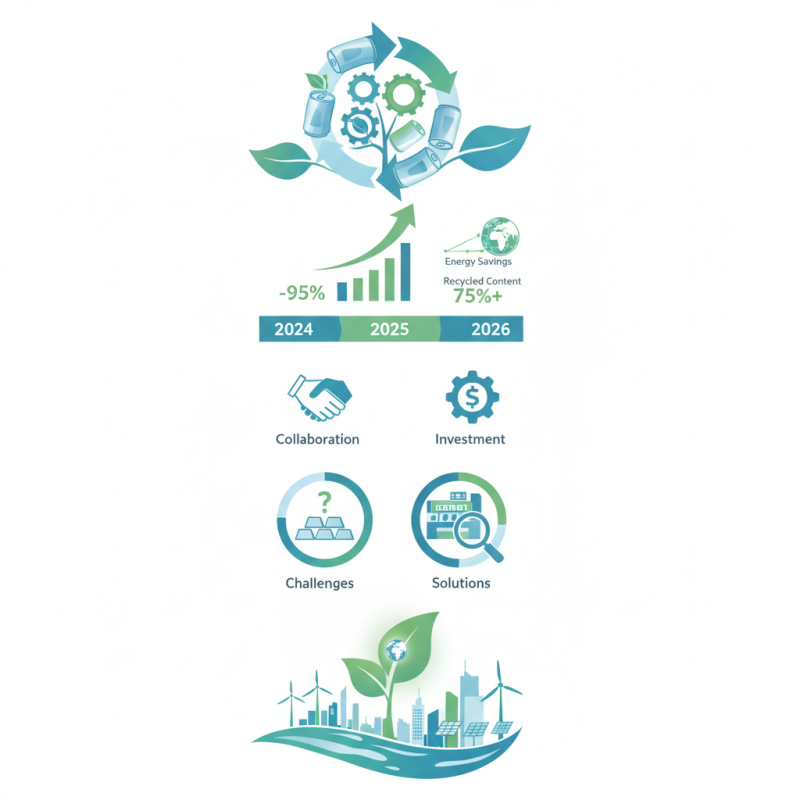
The global shift towards sustainability has made recycling aluminum a pivotal focus. By 2026, the recycling industry is expected to contribute significantly to reducing carbon footprints. Recent reports indicate that recycling aluminum uses 95% less energy compared to producing new aluminum. This substantial energy saving is crucial for environmental preservation.
In addition, the demand for recycled aluminum has surged. The Aluminum Association reported that recycled materials now account for over 75% of aluminum production in the U.S. This trend highlights the necessity for advanced recycling technologies. However, challenges remain. Quality control during the recycling process can be inconsistent, leading to varied material standards.
Addressing these issues requires collaboration across sectors. Strategic investments in innovative recycling solutions can further enhance efficiency. As we approach 2026, the potential for recycling aluminum to create a sustainable future hinges on our ability to refine processes and regulations. Creative and adaptive approaches will be essential to navigate this evolving landscape.
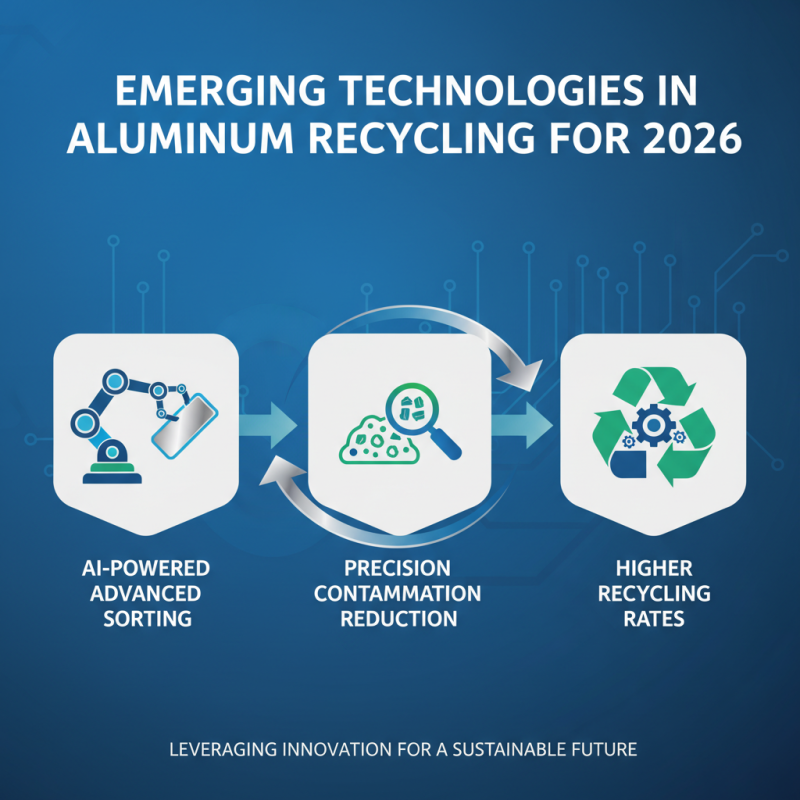
The landscape of aluminum recycling is changing rapidly. Emerging technologies are driving innovation in this sector. Advanced sorting systems are being developed. These systems leverage AI to identify aluminum among mixed materials. This precision reduces contamination levels, leading to higher recycling rates.
Another notable technology is hydrometallurgical processing. Unlike traditional methods, this technique uses less energy and water. This eco-friendliness aligns with global sustainability goals. However, large-scale implementation faces challenges. There are issues with initial costs and feasibility for small facilities.
Innovative approaches like 3D printing with recycled aluminum also show promise. This method allows for direct reuse of recycled materials. Yet, the quality consistency of recycled aluminum remains a concern. It's crucial to address these challenges while pushing for progress. Balancing efficiency with environmental impact could define the future of aluminum recycling.
The aluminum recycling landscape is evolving. Innovative processes are at the forefront of enhancing sustainability. Today, new technologies are making recycling more efficient. These advancements help reduce energy consumption significantly.
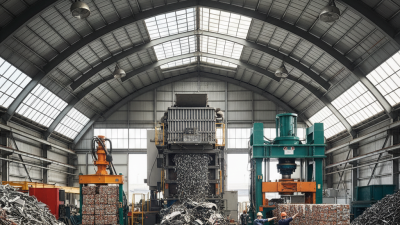
One notable process is mechanical recycling. It involves shredding aluminum scraps into small pieces. These are then melted down for reuse. This method saves energy compared to primary aluminum production. However, challenges remain in contamination management. Ensuring purity in recycled materials is crucial.
Tips for better recycling practices include sorting materials carefully. Clean out residues from containers to increase recyclability. Educating communities about the importance of recycling can drive participation. Small changes can lead to significant impacts. Each action matters in shaping a sustainable future for aluminum recycling.
Government policies play a crucial role in aluminum recycling efforts. They set the framework for sustainability. Incentives and regulations drive recycling initiatives. For example, tax credits can motivate companies to invest in recycling technologies. However, many regions still lack adequate legislation. This gap can hinder progress.
Effective policies should address both production and consumption. Some governments have implemented mandatory recycling laws. Compliance can be a challenge for some manufacturers. Strict regulations can spark innovation, but they may also burden small businesses. Balancing these effects is essential for success.
Public awareness is another significant factor. Government campaigns can inform citizens about the importance of recycling aluminum. Educational programs can inspire community involvement. Yet, many people still remain unaware. Improving communication strategies can enhance public participation in recycling efforts.
This chart illustrates the varying impact levels of different trends on aluminum recycling efforts in 2026. Government policies and technological innovations are expected to have the highest influence, promoting a more sustainable future for aluminum recycling.
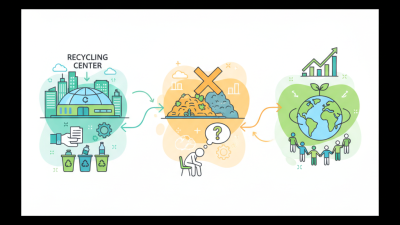
Consumer awareness plays a pivotal role in shaping aluminum recycling trends. Most people understand the need for recycling but lack specific knowledge about aluminum's unique properties. This metal is lightweight and highly recyclable, making it ideal for sustainable practices. Yet, many still throw it in the trash. Raising awareness can change this behavior.
Educational initiatives are crucial. Communities can organize workshops that demonstrate the recycling process. These events help individuals see the journey of aluminum from ingestion to reincarnation. However, misinformation persists. Some still believe that recycling is inefficient. This misconception needs addressing.
Cities that promote recycling through incentives see higher participation. Yet, some neighborhoods lag behind. Socioeconomic factors often dictate engagement levels. A tailored approach can bridge these gaps, ensuring that all community members are included. Consistent reminders can reinforce recycling habits, leading to fewer aluminum waste products.
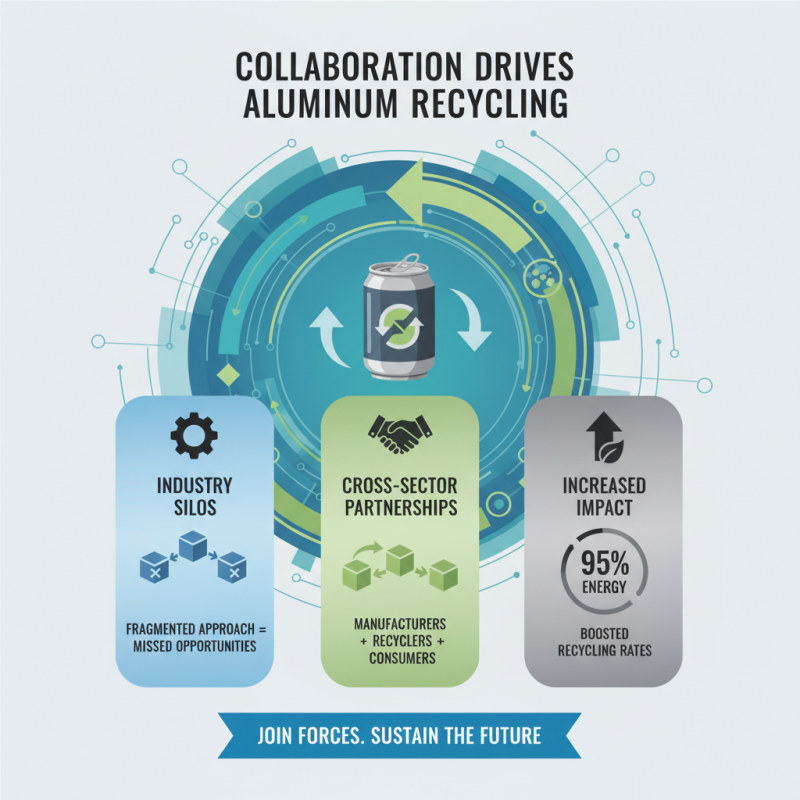
Collaboration between industries is crucial for boosting aluminum recycling rates. Industry reports indicate that recycling aluminum saves up to 95% energy compared to primary production. Yet, many companies operate in silos, hindering effective recycling initiatives. This fragmented approach leads to missed opportunities.
In 2023, only 75% of aluminum was recycled globally. The challenge lies in dismantling barriers between manufacturers, recyclers, and policymakers. Industry stakeholders must align goals to create more efficient supply chains. For instance, incorporating recycled aluminum into new products can significantly reduce emissions.
Progress is not uniform. Some regions excel in recycling efforts, while others lag behind. Continuous communication and shared technology are essential. As organizations deepen collaboration, they should also prioritize transparent metrics for success. Investing in education and outreach can further enhance recycling participation rates.