Leave Your Message
Choosing the right Excavator Material Handler for China’s demanding work sites requires more than comparing engine power. A machine may look impressive in a brochure, yet perform poorly beside a crowded recycling yard, a steel warehouse, or a riverbank project. The best choice depends on real operating conditions, material weight, working radius, fuel access, and local service support.
This guide examines leading Chinese excavator material handlers through practical, measurable criteria. These include lifting stability, hydraulic response, cab visibility, attachment compatibility, undercarriage strength, fuel efficiency, and operator comfort. Maintenance access also matters. A clean engine bay can reduce inspection time during a long shift. Reliable dealers, documented parts availability, and technician training provide further confidence.
Field experience often reveals details that specifications miss. A rated lifting capacity does not guarantee safe performance at maximum reach. Mud, uneven ground, and repeated swing cycles can change the result. No machine wins every site. That matters.
The comparison will consider manufacturer reputation, independent user feedback, warranty clarity, and long-term operating costs. Some conclusions may remain imperfect because conditions differ between ports, demolition yards, and material recovery facilities. A model praised by one operator may disappoint another after attachment changes. Buyers should verify test results with local demonstrations and service records. The strongest decision balances productivity with predictable ownership, not headline power alone. This approach supports a more reliable answer to the question: Which China Excavator Material Handler is best for your specific application?
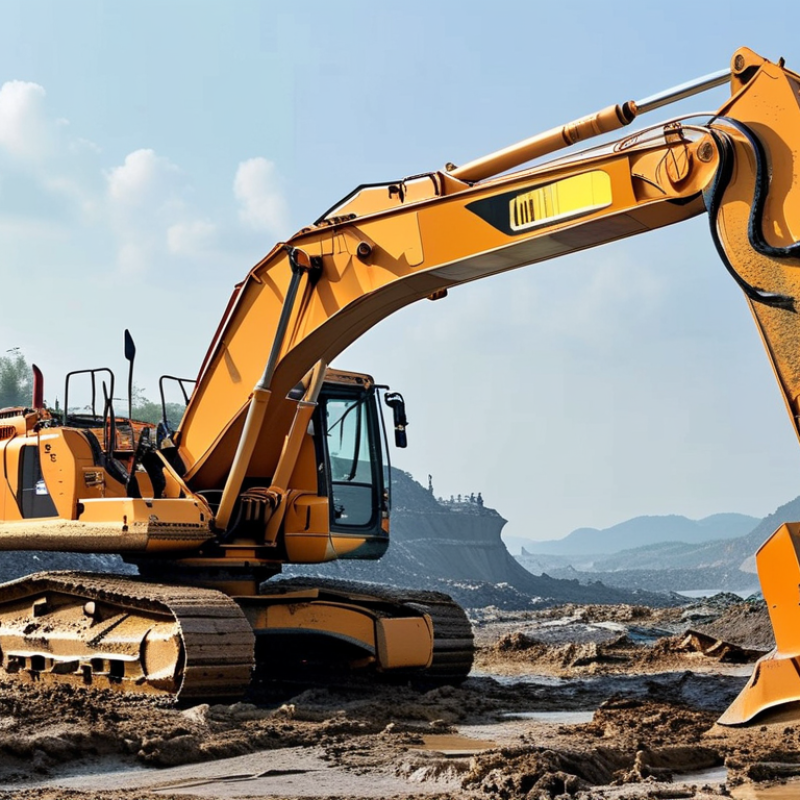
Which China Excavator Material Handler Is Best?
What Is a China Excavator Material Handler?
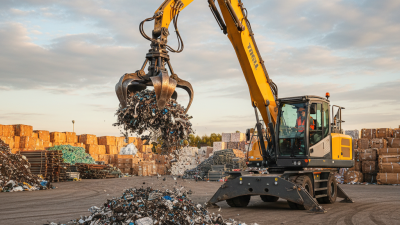
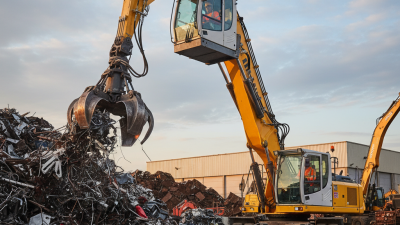
A China excavator material handler is a purpose-built excavator adapted for recycling, scrap yards, timber, and transfer stations. It usually combines a raised operator cab, longer working equipment, hydraulic material grapples, and reinforced guarding. Unlike a standard digging excavator, it prioritizes reach, visibility, lifting stability, and repeated sorting cycles. The base machine may still use familiar excavator systems, but its balance and attachments must suit lighter, suspended loads.
The China Construction Machinery Industry Association reported 201,131 excavators sold in 2024, including 107,365 exported units. This export volume shows growing international use, but sales numbers do not prove every configuration is suitable. KHL’s Yellow Table 2024 valued global construction equipment sales at about US$243.4 billion. That scale makes component support and lifecycle testing important. A handler that feels powerful may still suffer from poor hydraulic cooling, limited cab protection, or weak attachment compatibility. I have seen specifications look impressive, yet field performance remained only average.
Tips: Check rated lift capacity at full reach, not only maximum digging force. Confirm cab elevation, guarding, undercarriage width, and grapple flow requirements. Ask for service records, stability charts, and independent test evidence. Allow room for doubt. Real yard conditions are often messier than brochures.
| Evaluation Dimension | Compact Material Handler | Standard Material Handler | Heavy-Duty Material Handler | Best Choice by Application |
|---|---|---|---|---|
| What it is | A wheeled or crawler excavator adapted for light material handling in restricted spaces. | An excavator-based machine equipped with a material-handling boom, hydraulic attachments, and improved operator visibility. | A reinforced excavator or purpose-built handler designed for high-cycle, high-volume handling of heavy materials. | Choose the machine configuration that matches the load, reach, working surface, and duty cycle. |
| Typical operating weight | 8–18 tonnes | 18– thirty-five tonnes | 35– sixty tonnes or more | Use the smallest class that provides adequate stability and lift capacity. |
| Typical engine power | 50–110 kW | 110–220 kW | 220–400 kW or more | Higher power is useful for frequent lifting, hydraulic attachments, and demanding ground conditions. |
| Reach suitability | Short to medium reach, generally suitable for small yards and low-level loading. | Medium to long reach, suitable for recycling yards, transfer stations, and truck loading. | Long reach and high working height for large stockpiles, rail loading, ports, and scrap processing. | Select reach from the required loading height and horizontal working distance, not from maximum reach alone. |
| Typical lifting capacity | Approximately 1–4 tonnes at a short working radius. | Approximately 3–10 tonnes at a short working radius. | Approximately 8–20 tonnes or more at a short working radius. | Verify the manufacturer’s lift chart at the exact boom position, radius, attachment, and undercarriage setup. |
| Common attachments | Buckets, light-duty grapples, hydraulic thumbs, and compact sorting tools. | Orange-peel grabs, demolition grapples, sorting grabs, magnets, and buckets. | Heavy scrap grabs, high-capacity grapples, magnets, shears, and specialized bulk-material tools. | The best machine has compatible hydraulic flow, pressure, mounting dimensions, and auxiliary circuits. |
| Stability features | Standard counterweight and undercarriage; outriggers may be available. | Additional counterweight, wider undercarriage, outriggers, and reinforced upper structure are common. | Heavy counterweight, reinforced frame, wide undercarriage, and hydraulic outriggers are normally required. | Prioritize stability before maximum lifting height or attachment size. |
| Cab and visibility | Standard excavator cab with limited elevation options. | Elevating cab, larger windshield, roof window, cameras, and improved rear visibility are commonly available. | Elevating or fixed high-visibility cab, multiple cameras, protective guards, and enhanced lighting. | For truck, rail, and scrap loading, elevated visibility can improve safety and productivity. |
| Mobility | Wheeled or crawler options; easier to transport and maneuver in compact yards. | Wheeled machines are suitable for paved yards; crawler machines provide better soft-ground traction. | Usually crawler-based or equipped with heavy-duty mobility systems for demanding sites. | Choose wheels for frequent site travel and paved surfaces; choose tracks for traction and ground pressure control. |
| Fuel efficiency | Generally lowest fuel consumption, but lower throughput. | Balanced fuel consumption and productivity for most material-handling operations. | Higher absolute fuel use, justified when high throughput and large loads are required. | Compare fuel use per tonne handled rather than fuel use per operating hour alone. |
| Best operating environments | Small recycling yards, construction sites, landscaping, and light sorting work. | Scrap yards, waste transfer stations, timber yards, aggregate facilities, and general loading work. | Ports, steel yards, large recycling plants, rail terminals, quarries, and high-volume bulk handling. | Match the machine to site access, material density, cycle frequency, and available working area. |
| Purchase priorities | Low transport cost, compact dimensions, simple maintenance, and attachment versatility. | Lift chart, hydraulic performance, operator visibility, fuel efficiency, and service support. | Structural durability, cooling capacity, duty-cycle rating, component availability, and safety systems. | The best value is the configuration that delivers the required tonnes per hour at an acceptable total cost. |
| Inspection checklist | Check the rated lift chart, tipping-load margin, boom and arm condition, hydraulic leakage, attachment compatibility, braking system, undercarriage, cab protection, emergency stop functions, service records, and compliance with local regulations. | A documented inspection and application-specific lift test are more reliable than comparing headline specifications. | ||
| Note: The figures shown are representative market ranges for China-made excavator material-handler configurations. Actual specifications vary by operating weight, boom design, counterweight, undercarriage, attachment, hydraulic setup, and local emissions requirements. Always confirm the official technical data and lift chart for the exact configuration. | ||||