Why Choose the Right Excavator Attachments for Demolition?
Demolition is a critical sector in construction, requiring precision and efficiency. Choosing the right excavator attachments for demolition can significantly enhance project outcomes. According to the Construction Equipment Association, using specialized attachments can improve productivity by up to 30%. This statistic highlights the importance of selecting the appropriate tools for specific tasks.
Excavator attachments for demolition, such as hydraulic shears and concrete crushers, offer distinct benefits. They not only improve the speed of the demolition process but also ensure safety by reducing manual labor. A well-structured attachment choice can lead to a substantial reduction in time and costs. However, many contractors overlook the specific requirements for their projects, leading to delays and inefficiencies.
Furthermore, the risk of damaging adjacent structures increases when the wrong equipment is used. Without proper research, it is easy to misjudge the impact of insufficient attachments. Always consider the conditions of the site and the nature of materials being demolished. Ultimately, the right excavator attachments for demolition can dictate the success of a project while emphasizing the need for thoughtful planning and expertise.
Understanding the Importance of Excavator Attachments in Demolition
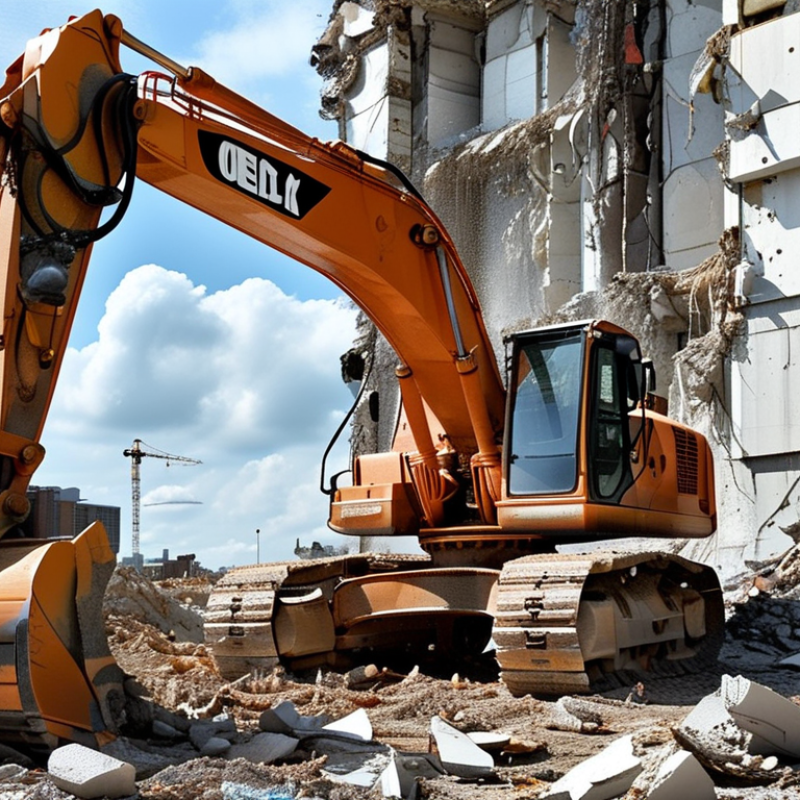
Demolition projects require precision and the right tools. Excavator attachments play a crucial role in this process. They enhance efficiency and productivity, allowing contractors to tackle various tasks effectively. According to the Construction Equipment Association, using the correct attachment can increase productivity by up to 30%.
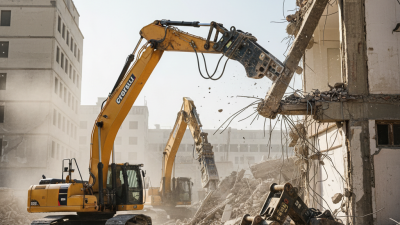
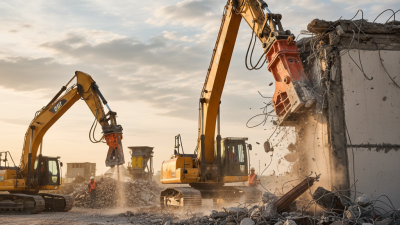
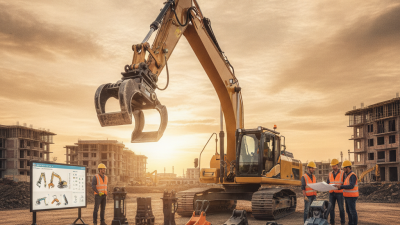
Various attachments are designed specifically for demolition. Hydraulic breakers are essential for breaking concrete, while grapples are perfect for handling debris. Each attachment serves a purpose and optimizes the overall demolition process. However, many contractors still overlook the selection of attachments. This can lead to increased operational costs and delays, as incompatible attachments can slow down work significantly.
Tips: Choose attachments based on project requirements. Assess the structure and materials beforehand. Regular maintenance of attachments is vital. Worn tools can decrease effectiveness and safety. Investing in suitable equipment ensures the job is done efficiently and accurately.
Importance of Excavator Attachments in Demolition
Key Types of Excavator Attachments for Demolition Projects
Choosing the right excavator attachments is crucial for successful demolition projects. Various attachments can dramatically impact efficiency and safety. Among the key types are hydraulic breakers, shears, and buckets. Each serves a unique purpose in the demolition process and can make or break a job.
Hydraulic breakers are essential for breaking concrete and other hard materials. They deliver strong impact force, making quick work of tough demolition tasks. Shears are ideal for cutting through metal structures. Their precision cuts save time and reduce debris. Buckets come in different sizes, allowing for versatility in dealing with various materials.
However, selecting attachments isn't always straightforward. It's vital to assess the specific needs of the project. Misjudging the type or size can lead to inefficiencies. Operators should evaluate their machine's capabilities and the project's requirements closely. Ignoring these factors may result in delays and increased costs. Each decision carries weight, impacting both productivity and safety on site.
Factors to Consider When Selecting Excavator Attachments
Choosing the right excavator attachments for demolition projects is crucial. Various factors influence this decision. First, consider the specific demolition tasks. Different attachments serve unique purposes. For instance, hydraulic hammers are ideal for breaking hardened surfaces, while buckets are better for material removal. Understanding the project's requirements can save time and costs.
Another important factor is the compatibility of attachments with the excavator. Ensure the attachment fits the excavator's specifications. This helps avoid mechanical issues. Additionally, assess the attachment's weight and size. Heavy attachments may require additional counterweights. A proper balance is necessary for safety during operations.
Lastly, think about the work environment. Demolition sites often have space restrictions. In tight spaces, compact attachments perform better. Likewise, consider durability. High-quality attachments withstand harsh conditions, but they may come with a higher price tag. Reflecting on these factors leads to informed choices. The right attachment can significantly impact the efficiency and safety of demolition work.
Benefits of Using the Right Attachments for Efficiency and Safety
Choosing the right excavator attachments for demolition work can significantly enhance safety and efficiency. Data from industry reports indicate that proper attachment selection can improve productivity by up to 30%. For demolition tasks, using specialized tools like hydraulic breakers or shears ensures that operators can handle various materials effectively. This customization helps in swiftly breaking down structures without unnecessary risks.
Safety is another critical aspect. Incorrect attachments can result in accidents or equipment damage. In fact, the Occupational Safety and Health Administration (OSHA) reports that improper equipment use accounts for nearly 20% of site-related incidents. When operators use the appropriate attachments, they can work more confidently and reduce hazards on-site. A well-matched attachment minimizes the risk of structural collapse, protecting both workers and nearby structures.
Despite these advantages, many companies still overlook the importance of proper attachment selection. Some operators may default to a one-size-fits-all approach, which can lead to inefficiencies. Frequent audits of attachment use and training can help in identifying gaps in knowledge. Adopting best practices for attachment selection not only boosts efficiency but also fosters a culture of safety. Creating awareness about the correct tools can lead to better outcomes in demolition projects.
Why Choose the Right Excavator Attachments for Demolition? - Benefits of Using the Right Attachments for Efficiency and Safety
| Attachment Type |
Main Benefits |
Efficiency Rating |
Safety Rating |
| Hydraulic Hammer |
Effective for breaking concrete and rocks |
9/10 |
8/10 |
| Crusher Bucket |
Allows for recycling of materials |
8/10 |
7/10 |
| Demolition Shears |
Ideal for cutting through steel structures |
9/10 |
9/10 |
| Tilt Bucket |
Enhances grading and leveling capabilities |
7/10 |
8/10 |
| Ripper Tooth |
Excellent for breaking up asphalt and compacted ground |
8/10 |
7/10 |
Maintenance Tips for Prolonging the Life of Excavator Attachments
Maintaining excavator attachments is crucial for optimal performance. Regular cleaning after use can prevent dirt build-up. Check for wear and tear frequently. Signs of damage can indicate a need for replacement or repair. Ignoring these issues can lead to bigger problems down the line.
Lubrication is key to extending the life of attachments. Apply lubricant to moving parts to reduce friction. This simple step helps prevent rust and damage. However, be careful not to over-lubricate. Too much grease can attract debris and cause malfunction.
Storage matters too. Store attachments in a dry place to avoid corrosion. Using protective covers can shield them from dust and moisture. However, some users still neglect this basic step. A little attention to detail can lead to significant longevity. Each element plays a role in the life of your equipment.