2026 How to Choose the Best Metal Briquette Machine for Your Needs?
Choosing the right Metal Briquette Machine can significantly impact your production efficiency. The market is flooded with options, each promising exceptional results. Yet, not all machines are created equal. When selecting a metal briquette machine, consider factors like size, capacity, and material compatibility.
A well-chosen machine can help you reduce waste and improve your bottom line. However, many businesses make the mistake of prioritizing price over quality. This decision often results in equipment that fails to meet expectations. Research is vital. Explore different manufacturers and user reviews to make an informed choice.
Ultimately, a suitable Metal Briquette Machine should align with your specific needs. Understand your production goals and operational requirements. Reflect on your choices and be open to adjustments. The right equipment can transform your metal processing workflow and add value to your operations.
Understanding the Basics of Metal Briquette Machines
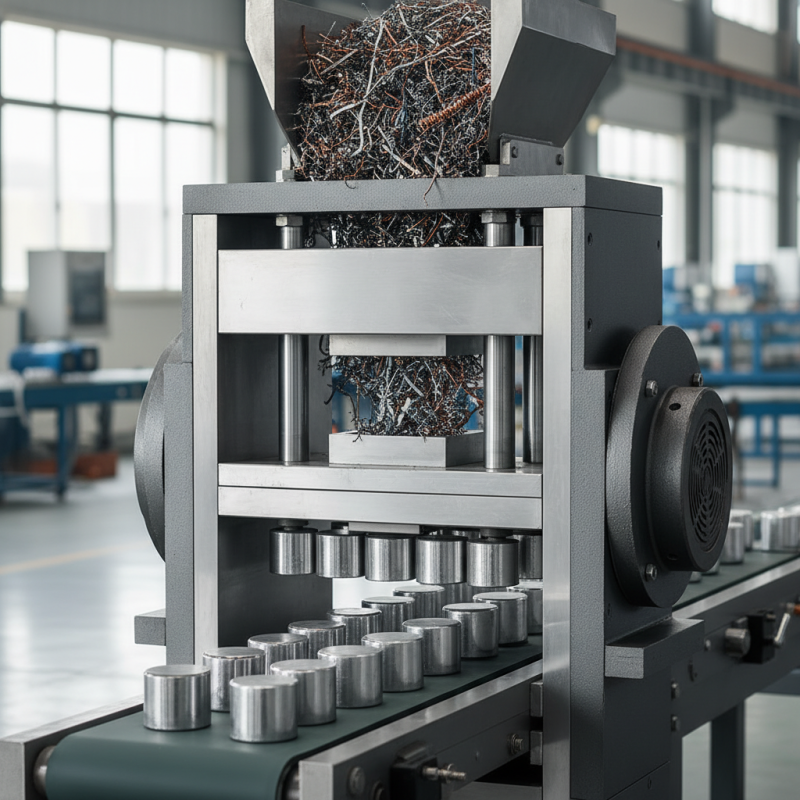
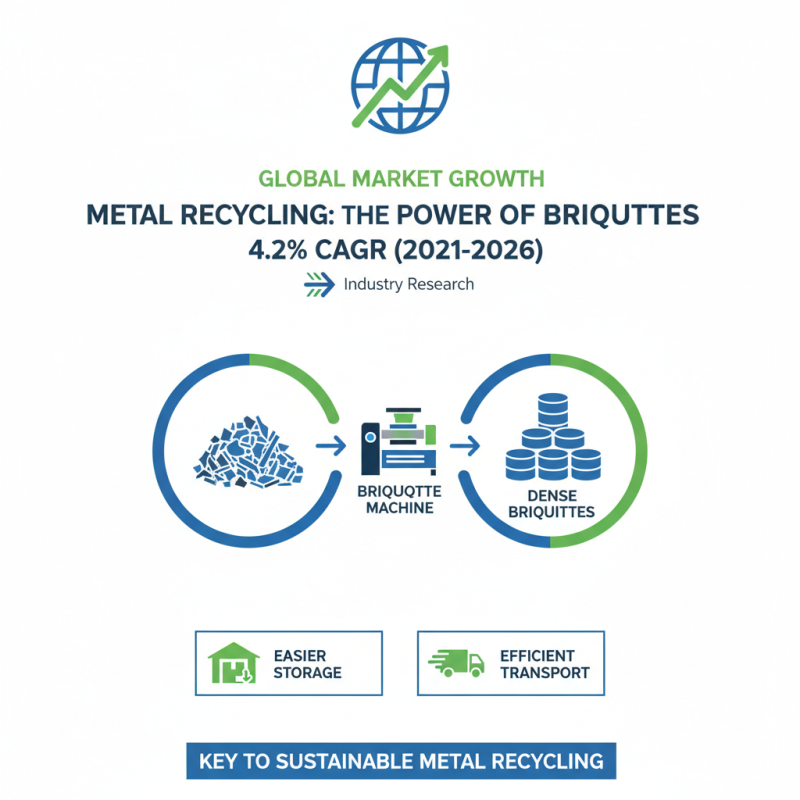
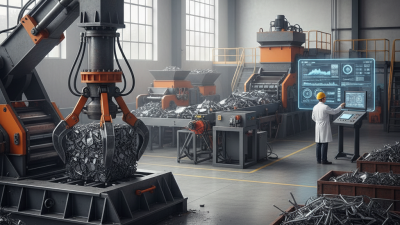
Metal briquette machines play a crucial role in the recycling industry. They help compact metal shavings and chips into dense briquettes. These briquettes are easier to store and transport. According to a report by Industry Research, the global metal recycling market is expected to grow at a CAGR of 4.2% from 2021 to 2026. This growth highlights the increasing need for efficient recycling solutions.
Understanding the basics of metal briquette machines can significantly impact workflow. These machines typically operate using hydraulic or mechanical systems. They compress metal waste under high pressure. It's important to select machines based on your specific requirements. Factors such as material type, volume, and intended use should guide your choice. Various studies suggest that proper equipment can enhance productivity by up to 30% in metal processing industries.
Investing in a high-quality briquette machine is essential. However, not all machines are suitable for every operation. Issues like maintenance and operational costs are vital to consider. A poor choice may lead to unplanned downtime. Research shows that approximately 20% of users report dissatisfaction due to incorrect machine selection. Thus, thorough evaluation is necessary for optimal outcomes.
Key Features to Consider When Selecting a Metal Briquette Machine
When selecting a metal briquette machine, consider the material type you'll be processing. Not all machines handle every metal equally. For instance, aluminum and steel briquettes require different pressures and temperatures. A report by the International Journal of Metalworking shows that optimal pressure settings can lead to a 25% increase in briquette strength.
Evaluate the machine's output capacity. Some machines can produce up to 1,500 kg of briquettes per hour, which may be necessary for high-demand operations. Smaller machines may suffice for low-volume needs. Data from the Global Metal Processing Market indicates that demand for efficient production systems is rising, emphasizing the need for quality equipment.
Energy consumption is another critical factor. Machines vary in their energy efficiency. An efficient briquette machine can reduce energy costs by about 20%. However, less efficient models can lead to inflated operational expenses. It's essential to balance upfront costs with long-term savings. Be mindful of the initial investment; low-cost options may lack durability and require frequent repairs. Reflecting on these aspects can ensure a more informed decision.
2026: How to Choose the Best Metal Briquette Machine for Your Needs?
| Feature |
Description |
Importance |
Recommended Value |
| Capacity |
The amount of material the machine can process per hour. |
High |
500-1000 kg/h |
| Power Consumption |
The energy required to operate the machine. |
Medium |
20-50 kW |
| Briquette Size |
Dimensions of the produced briquettes. |
High |
50 x 50 x 100 mm |
| Material Compatibility |
Types of metals that can be briquetted. |
High |
Aluminum, Steel, Copper |
| Operating Pressure |
Pressure applied during briquette formation. |
High |
200-300 MPa |
| Durability |
Expected lifespan and build quality of the machine. |
Medium |
5-10 years |
| Maintenance Requirements |
Frequency and type of maintenance needed. |
Medium |
Quarterly Check-ups |
Evaluating Production Capacity and Efficiency Requirements
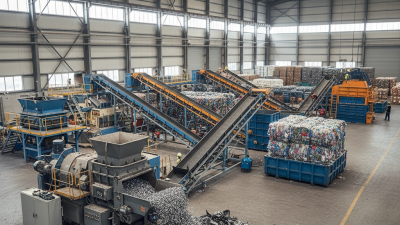
When selecting a metal briquette machine, production capacity and efficiency are crucial. Understanding your output requirements can save time and resources. For instance, according to a recent industry report, machines can produce between 500 to 3,000 kilograms of briquettes per hour. This range underscores the importance of aligning your needs with machine capabilities.
Consider how frequently you will use the machine. A facility operating 24/7 may need higher capacity. However, that doesn’t mean a larger machine is always better. Higher capacity machines often consume more energy, increasing operational costs. Efficiency rates can vary, with some machines achieving over 90% material utilization. This figure brings into question whether a slightly lower capacity might be more beneficial if it leads to significant savings.
Reflect on the type of materials you intend to briquette. Different materials may require distinct processing conditions. Not all machines are adaptable. Therefore, investing in a versatile machine could be advantageous. Some users find that the initial lower capacity seems attractive but leads to inefficiencies later on. Balancing capacity and efficiency might require thoughtful consideration of both current and future operational needs.
Production Capacity and Efficiency of Metal Briquette Machines
Assessing Material Compatibility for Effective Briquetting
When selecting a metal briquette machine, material compatibility is crucial. Different materials, such as aluminum, steel, or copper, behave uniquely under pressure. For example, a study by the International Institute for Metalworking found that aluminum briquettes can have a higher density and better handling properties. Meanwhile, improper material selection often leads to poor briquette quality and decreased efficiency.
It's essential to assess the characteristics of your material first. Moisture content, particle size, and chemical composition play significant roles. A report from the Metal Recycling Journal highlights that materials with higher moisture content lead to weaker briquettes. Monitoring these factors ensures effective briquetting and minimizes machinery wear.
However, challenges remain. Many users overlook the importance of continuous material assessment. Adjustments may be necessary when switching between different types. Not all machines can handle diverse materials without modifications. Understanding these limitations and adapting your approach is key. Effective briquetting is an art and a science.
Cost Analysis: Budgeting for Your Metal Briquette Machine Purchase
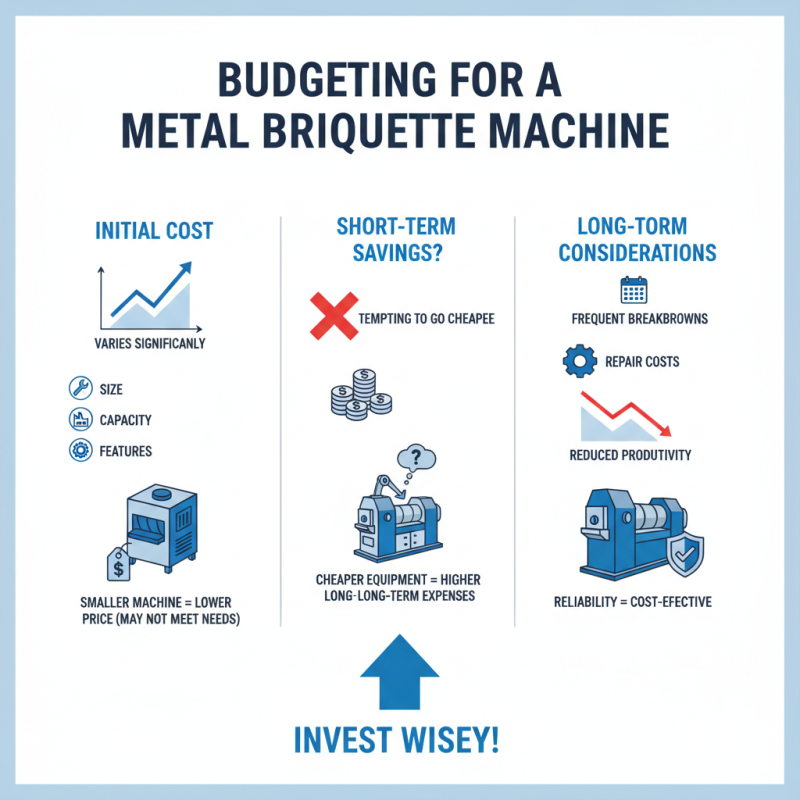
When budgeting for a metal briquette machine, it is essential to consider the initial cost. Prices can vary significantly based on size, capacity, and features. A smaller machine may cost less, but it might not meet your production needs. It can be tempting to opt for cheaper equipment, but this might lead to higher long-term expenses. Sometimes, cheaper machines have frequent breakdowns and repairs.
Maintenance is another factor that influences cost. Regular servicing can extend the life of your machine and enhance efficiency. Consider setting aside a portion of your budget for this. Unexpected repairs can strain finances if not anticipated. It’s wise to plan for these expenses. Don’t forget to factor in utility costs as well. Electricity usage can add to your operational expenses.
Evaluate your specific requirements closely. The size of your production facility matters. If space is limited, a compact machine may be necessary. However, these models can come with a trade-off—limited output. It’s crucial to reflect on your production forecasts and business growth potential. Make sure your investment aligns with your long-term goals. Every decision should reflect your production needs and financial capacity.