What is Scrap Recycling Equipment and How Does it Work?
Scrap recycling equipment plays a crucial role in the recycling industry. This specialized machinery processes various types of scrap materials. By converting waste into reusable resources, it significantly reduces environmental impact.
The equipment can vary widely in design and function. From shredders to balers, each type serves a distinct purpose. These machines help in efficiently breaking down scrap metals, plastics, and other recyclables. Using advanced technology, they also enhance the quality of the recovered materials.
However, it is essential to consider the challenges in this field. Maintenance of scrap recycling equipment can be demanding. Operational costs may rise unexpectedly. The effectiveness of this machinery often relies on proper usage and regular upkeep. Ultimately, understanding scrap recycling equipment is vital for a sustainable future.
What is Scrap Recycling Equipment?
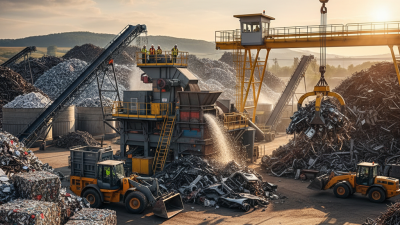
Scrap recycling equipment is vital for efficient waste management. This machinery processes scrap materials like metals and plastics. The goal is to turn waste into reusable resources. Equipment varies from shredders to balers. Shredders break down large items into smaller pieces. Balers compress materials for easier transport.
Different types of scrap recycling equipment target specific materials. For instance, metal recyclers often use granulators, which further refine metal particles. Plastics require chilly environments for efficient processing. Selecting the right equipment is crucial to maximize output and reduce energy consumption.
While the equipment is highly efficient, it’s not without its flaws. Maintenance is essential to keep machines operating smoothly. Neglecting regular checks can lead to breakdowns. Additionally, operators must be well-trained to avoid accidents. Training programs often overlook the importance of safety, which is a concern worth addressing.
Types of Scrap Recycling Equipment and Their Functions
Scrap recycling equipment plays a crucial role in the waste management industry. Various types of equipment are designed to process different materials, transforming waste into valuable resources.
Shredders are common and effective. They break down large materials into manageable pieces. This is essential for metal recycling. Well-shredded metal is easier to handle and recycle.
Another important type of equipment is the baler. Balers compress scrap materials into bales. This makes storage and transportation much easier. Different balers serve various materials. For instance, there are dedicated balers for plastic and cardboard. Hydraulic systems often power them, ensuring efficiency.
Magnetic separators are also vital in recycling processes. They identify and remove ferrous metals from non-ferrous materials. This separates valuable metals like aluminum from rubbish. However, these systems can fail if not maintained. Regular checks and maintenance are crucial. Neglecting these can lead to inefficiencies. Each piece of equipment has specific functions. Understanding these roles is essential for effective recycling operations. It is not just about the technology but also about how it is used.
The Scrap Recycling Process: Step-by-Step Overview
The scrap recycling process is crucial for environmental conservation. It begins with the collection of scrap materials, which can be metal, plastic, or paper. These materials often come from industries, households, and construction sites. Gathered items are sorted based on type and quality, ensuring efficient processing later.
Next, the sorted scraps enter the processing phase. This involves shredding, crushing, or baling materials to prepare them for recycling. Machines break down large items into smaller pieces, making transport and melting easier. For metals, furnaces provide intense heat to separate impurities. This step is critical, as poor-quality materials can compromise the final product.
After processing, recycled materials are ready for remanufacturing. Factories use them to create new products, reducing the need for raw resources. The cycle continues as these products reach consumers. Despite advancements in technology, gaps remain in efficiency and innovation. Many facilities still struggle with waste management and energy consumption. Continuous improvement is necessary for a balanced and effective recycling system.
How Scrap Recycling Equipment Operates: Key Technologies
Scrap recycling equipment plays a pivotal role in transforming waste materials into reusable resources. At the heart of this process lies several key technologies.
Shredders, for example, break down large scrap into manageable sizes. This makes sorting easier and allows for higher efficiency. Magnets and eddy current separators follow, extracting ferrous and non-ferrous metals from the mix.
These technologies enhance the separation process, ensuring a higher quality of recycled material.
Another essential component of scrap recycling is the baler. It compresses metals into compact bales for ease of handling and storage. This reduces transportation costs significantly. The entire system operates seamlessly, but issues can arise. Equipment may become clogged, demanding frequent maintenance checks. Operators must remain vigilant to avoid safety hazards, as improper use can lead to accidents.
Balancing efficiency with safety is crucial in this industry.
In addition, the market for recycled materials fluctuates greatly. This impacts the demand for recycling equipment and practices. Recycling centers need to adapt accordingly, sometimes investing in new technologies. However, the initial costs of advanced systems can be daunting. Companies must weigh these considerations carefully to make informed decisions.
Benefits of Using Scrap Recycling Equipment in Waste Management
Scrap recycling equipment plays a crucial role in waste management. This equipment simplifies the collection and processing of materials like metals, plastics, and electronics.
According to a 2021 report by the International Solid Waste Association, recycling can reduce greenhouse gas emissions by up to 75%. This statistic highlights the importance of efficient equipment in promoting sustainable practices.
Using scrap recycling equipment has multiple benefits. It enhances recovery rates and minimizes landfill waste. The U.S. Environmental Protection Agency estimates that recycling and composting prevented the release of
186 million metric tons of carbon dioxide equivalent into the air in just one year. This impact is significant and emphasizes the role of proper equipment in achieving these results.
However, the industry faces challenges. There are concerns about the efficiency of older technology. Equipment that is not regularly maintained can lead to increased downtime. Furthermore, the global recycling rate for plastics was only 9% in 2021, according to the OECD.
This indicates a need for improved practices and updated equipment to maximize benefits in waste management.