10 Essential Tips for Choosing Scrap Recycling Equipment?
The field of Scrap Recycling Equipment is critical for sustainable waste management. According to a report by the Recycling Equipment Manufacturers Association (REM), the global market for recycling equipment is projected to grow by 7.4% annually until 2025. This underscores the industry's importance in promoting recycling efforts and minimizing environmental impact.
Expert Dr. Emily Roberts, a leading authority in recycling technologies, emphasizes, "Investing in the right scrap recycling equipment can significantly enhance operational efficiency." As the demand for innovative recycling solutions increases, choosing the right equipment becomes essential.
However, not all equipment performs alike. Businesses often face challenges in selecting the optimal tools. Poor choices can lead to inefficiencies, costing time and money. Potential buyers must weigh features, durability, and maintenance needs carefully. Ultimately, investing the time to understand various options can lead to more sustainable practices and improved returns.
Understanding the Different Types of Scrap Recycling Equipment
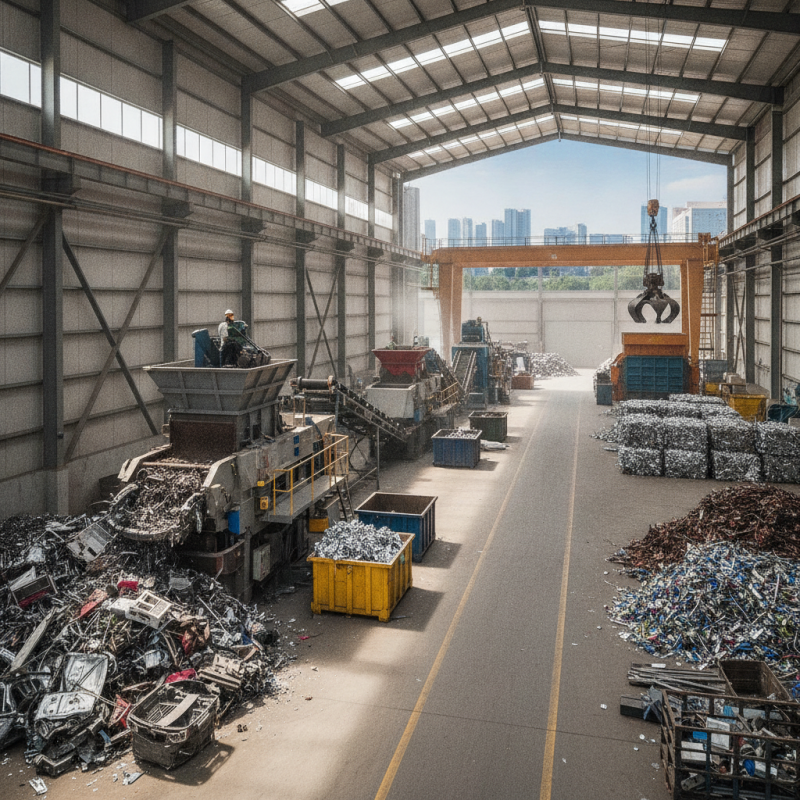
When selecting scrap recycling equipment, understanding the various types is crucial. Different machines serve specific functions.
Shredders break down large materials into manageable pieces. This makes transport and processing easier.
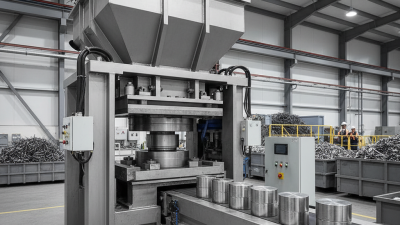
Balers compact materials tightly, preparing them for shipment. Additionally, granulators reduce plastic scrap into smaller particles for reuse. Knowing these functions helps in making informed decisions.
Consider your specific recycling needs when choosing equipment. For instance, metal recyclers require different machines than those who process paper or plastics. Assess the volume of materials you handle daily. This can impact your equipment choice significantly. Some machines may seem efficient but may not fit your operational scale.
Quality matters when selecting equipment. Not all machines are equally reliable. Investing in quality machinery ensures fewer breakdowns over time. Delays in processing can hurt your business. It's vital to research equipment options. Speak with industry experts. Gather insights from those with experience. Those conversations can illuminate potential pitfalls to avoid.
Assessing Your Recycling Needs and Volume Requirements
Assessing your recycling needs is crucial when choosing scrap recycling equipment. Start by evaluating the types of materials you plan to process. Different equipment specializes in specific materials, such as metals, plastics, or paper. Understanding your primary materials will help streamline your operations.
Volume requirements also play a significant role. Estimate how much scrap you generate daily, weekly, or monthly. This data aids in selecting machinery that can handle your expected volume efficiently. Overestimating capacity can lead to wasted resources and space. Conversely, underestimating might result in frequent breakdowns or inadequate processing speeds.
Consider the layout of your workspace, too. Equipment should fit seamlessly into your existing operations. Think about workflow and accessibility for staff. Taking these factors into account will enhance overall efficiency. Don't rush the decision. Reflect on your preferences and talk to industry experts if needed. Adjusting your approach could lead to better choices and outcomes.
10 Essential Tips for Choosing Scrap Recycling Equipment
Researching Manufacturers and Supplier Reputation
When selecting scrap recycling equipment, researching manufacturers and suppliers is crucial. Start by exploring their history and experience in the industry. A company with years of expertise often offers reliable solutions. Pay attention to their product lines. Look for diversity and innovation in their offerings. This indicates a commitment to meeting evolving market needs.
Checking customer reviews is vital. Look for feedback on durability and performance. Engaging with online forums can provide insights too. Users often share real-world experiences. Sometimes, a supplier's reputation is different from what they claim. Be wary of red flags like excessive negative reviews or unresolved complaints.
Consider the support provided by the manufacturer. Good suppliers offer training and after-sales services. This ensures the efficient operation of your equipment. Don't hesitate to ask questions about warranties and service agreements. An informed choice stems from thorough research. It’s okay to find imperfections. Every supplier has strengths and weaknesses. Balancing these aspects is part of the decision-making process.
10 Essential Tips for Choosing Scrap Recycling Equipment
| Tip No. |
Tip Description |
Considerations |
Expected Outcome |
| 1 |
Evaluate Your Needs |
Type and volume of materials to be processed |
Ensure the equipment meets your operational requirements |
| 2 |
Research Suppliers |
Look into manufacturer experience and credibility |
Make informed decisions based on supplier reputation |
| 3 |
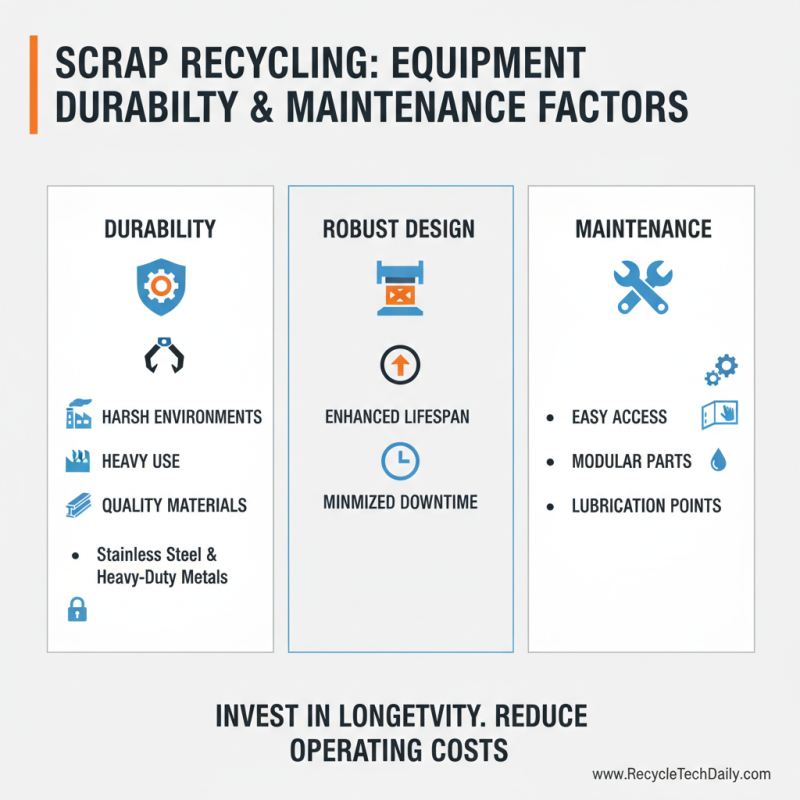
Consider Durability |
Material quality and construction of the equipment |
Reduce maintenance costs and increase equipment lifespan |
| 4 |
Check for Efficiency |
Energy consumption and processing speed |
Maximize productivity and minimize operational costs |
| 5 |
Request Recommendations |
Talk to industry peers and experts |
Gain insights into reliable equipment options |
| 6 |
Investigate Warranty and Support |
Warranty length and service options |
Ensure protection against defects and reliable service |
| 7 |
Compare Prices |
Collect quotes from multiple suppliers |
Get the best value for your investment |
| 8 |
Assess Technology |
Advanced features and automation |
Improve efficiency and output quality |
| 9 |
Understand the Logistics |
Installation and transportation requirements |
Avoid complications during setup |
| 10 |
Evaluate Safety Features |
Safety measures and compliance |
Ensure a safe working environment |
Considering Energy Efficiency and Operational Costs
When selecting scrap recycling equipment, energy efficiency is a key consideration. The EPA reports that energy-efficient machinery can reduce energy consumption by up to 30%. This reduction not only lowers operational costs but also minimizes environmental impact. Look for machinery with high-efficiency motors and advanced controls. These components can yield significant savings in electricity costs over time.
Operational costs extend beyond energy usage. Maintenance expenses should also be factored in. Regular upkeep can prevent costly breakdowns. A study by the International Journal of Recycling shows that proper maintenance can cut repair costs by 25%. Additionally, consider the overall lifespan of the equipment. Investing in durable machinery may lead to lower total ownership costs despite higher initial prices.
Balancing these factors can be challenging. Industry standards can provide guidance, yet not all equipment is created equal. Understanding your unique needs is crucial. Recent data indicates that businesses that prioritize energy efficiency see a 15% increase in profitability over five years. It's worth reflecting on how these elements directly affect your bottom line.