What is a Metal Briquette Machine and How Does It Work?
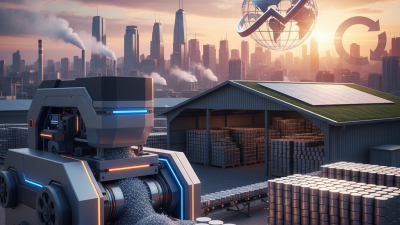
In the evolving landscape of metal recycling, the Metal Briquette Machine has emerged as a game changer. According to John Smith, a leading expert in the field, “Metal Briquette Machines revolutionize how we optimize metal waste.” These machines compact metal scraps into dense briquettes, making storage and transport more efficient.
The technology behind a Metal Briquette Machine is fascinating yet often misunderstood. These machines apply high pressure to metal shavings, creating solid briquettes that are easier to handle. This process not only reduces waste but also enhances recycling capabilities. However, many industries still overlook the potential of this technology.
Despite its advantages, the adoption of Metal Briquette Machines is not universal. Some firms hesitate due to initial costs or lack of knowledge about the process. This reluctance can hinder progress in recycling efforts. Addressing these concerns can drive wider acceptance and improve resource recovery in metal sectors.
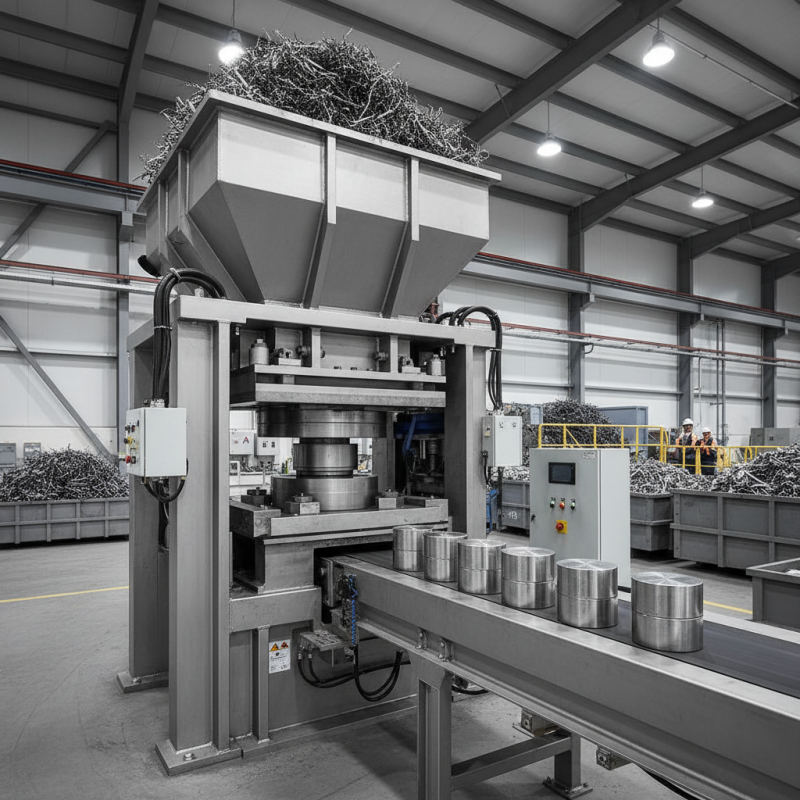
What is a Metal Briquette Machine?
A metal briquette machine is an essential piece of equipment in metal recycling and waste management. It compacts metal scraps into dense briquettes, making storage and transportation more efficient. These briquettes are easier to handle and occupy less space, crucial for industries looking to reduce waste and improve sustainability. According to industry reports, using metal briquettes can increase recycling rates by up to 30%, contributing to a circular economy.
The working principle of a metal briquette machine is straightforward. The machine applies high pressure to the metal scraps, forcing them into a mold. This process eliminates air gaps and transforms loose scraps into solid briquettes. Data from recent studies indicates that utilizing these machines can substantially decrease landfill waste by transforming what would be discarded into reusable material.
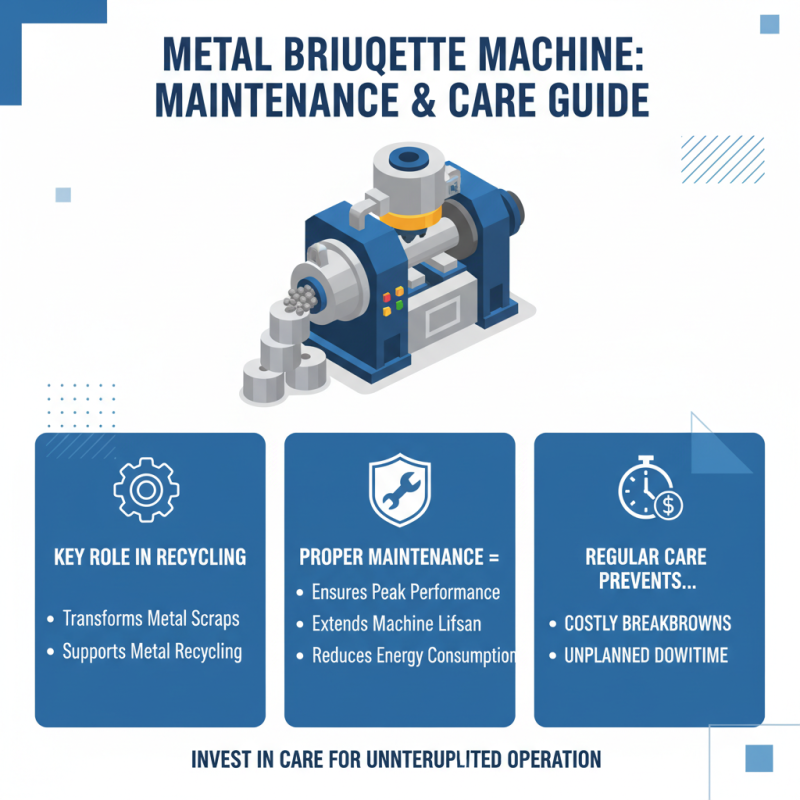
Tips: Always monitor the moisture content in the metal scraps before briquetting. Excess moisture can lead to poor-quality briquettes. It is also essential to regularly maintain the machine to prevent breakdowns, which can lead to costly downtimes. Be mindful of the types of metals being processed. Different alloys may require specific settings for optimal briquette formation.
Metal Briquette Machine Production Statistics
The bar chart above illustrates the estimated annual production of various metals using a Metal Briquette Machine. This machine helps in compacting metal scraps into briquettes, making it easier for recycling and reducing waste. The production data represents an approximation based on industry standards.
Key Components of a Metal Briquette Machine
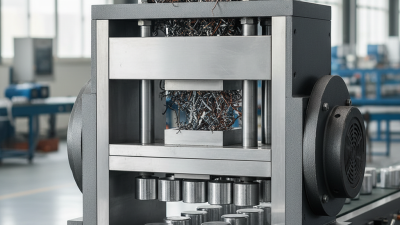
The metal briquette machine is designed to compress metal scraps into compact briquettes. Understanding its key components is essential for effective operation. The hydraulic system plays a vital role, providing the necessary pressure to shape the metal. It typically consists of a pump, cylinder, and pressure gauge. Each part must work in harmony to ensure consistent briquette formation.
Another critical component is the feeding mechanism. This system directs the metal scraps into the compression chamber. A reliable feeding mechanism minimizes jams and optimizes throughput. It should be adjustable to accommodate different scrap sizes and shapes. An efficient design here can significantly impact production efficiency.
The compression chamber itself is where the magic happens. This chamber applies immense pressure to the metal scraps. The design and materials of the chamber must be durable, as they face significant wear over time. Operators often encounter challenges like uneven pressure distribution. Regular maintenance and careful monitoring are key to prolonging the machine's lifespan and maintaining quality output.
What is a Metal Briquette Machine and How Does It Work? - Key Components of a Metal Briquette Machine
| Component |
Description |
Function |
Material Compatibility |
| Feeder |
Allows controlled feeding of metal scrap into the machine. |
Ensures a consistent flow of material. |
Aluminum, Steel, Copper |
| Briquetting Chamber |
The main area where metal is compressed into briquettes. |
Shapes and densifies the material into briquettes. |
Various metals including ferrous and non-ferrous materials. |
| Hydraulic System |
Provides the necessary pressure for briquetting. |
Ensures efficient compaction of the material. |
Suitable for high-density metal briquettes. |
| Control Panel |
User interface for operating the briquette machine. |
Monitors and controls machine functions and processes. |
N/A |
| Cooling System |
Removes excess heat generated during briquetting. |
Prevents overheating and maintains material integrity. |
All metals processed through the machine. |
How the Metal Briquette Machine Operates
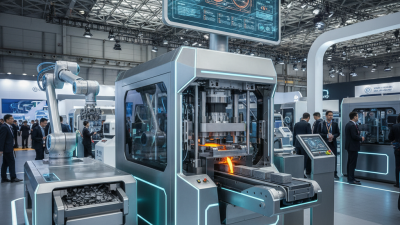
A metal briquette machine is designed to compress metal scrap into compact briquettes. This process not only saves space but also enhances the value of the scrap. The machine operates through a series of hydraulic and mechanical actions. Feeding the metal scrap into the hopper initiates the process. Upon activation, the machine compresses the scrap, forcing it into a mold. The result is a briquette that can be easily transported and reused.
When using a metal briquette machine, it’s essential to maintain proper moisture levels in the material. Excess moisture can lead to weak briquettes. Conversely, too dry materials may not compact effectively. Regular checks can ensure optimal performance.
Operators should be aware of potential challenges in the process. Misalignment in the machine could occur, resulting in uneven briquettes. Adjustments to the feed rate and pressure settings may be necessary. Documenting these changes helps refine the operation.
Tips:
- Always inspect parts for wear.
- Clean the machine frequently to prevent buildup.
- Experiment with different types of scrap for optimal results.
Applications and Benefits of Metal Briquettes
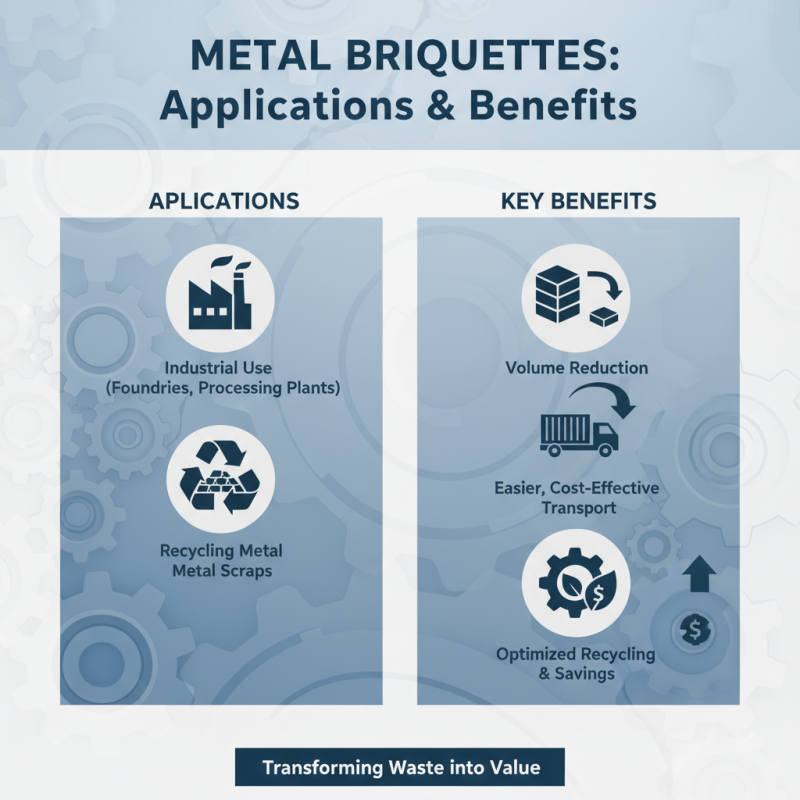
Metal briquettes serve various applications in industries. They optimize recycling by turning scraps into compact forms. This process reduces volume significantly, making transportation easier and more cost-effective. Factories and metal processing plants benefit greatly from this transformation.
The benefits of metal briquettes are substantial. They enhance the melting process, leading to energy savings. A well-made briquette has consistent quality, ensuring better results in production. However, not all briquettes perform the same. Some require specific handling and storage conditions. Understanding these needs is crucial for efficiency.
In recycling operations, metal briquettes can provide a reliable raw material source. They can be used in foundries and for making new metal products. This closed-loop process is beneficial for sustainability efforts. Despite the advantages, industries must continuously evaluate their briquette choices. Quality control in production remains a challenge that needs address.