Leave Your Message

How to Choose a Recycling Center in 2026?

Choosing a Recycling Center in 2026 requires more than finding the nearest drop-off location. It requires careful questions, practical comparisons, and a clear understanding of local recycling services. A clean entrance does not always prove responsible operations. Look beyond appearances.

This guide explains how to evaluate accepted materials, processing methods, pricing, certifications, and environmental reporting. Ask whether the Recycling Center accepts your specific items, including cardboard, metals, electronics, batteries, or construction materials. Policies can change without clear notice. Call before loading your vehicle. A five-minute conversation may prevent a wasted trip.

Former U.S. Environmental Protection Agency Administrator Gina McCarthy said, “Recycling is a critical part of the solution to climate change.” Her statement highlights recycling’s broader value, but good intentions are not enough. A reliable center should explain where materials go after collection. It should also identify contamination rules and provide understandable weight records or receipts. Those details show operational discipline.

This introduction will help readers compare facilities through an experience-based checklist. It considers convenience, safety, transparency, customer service, and measurable environmental performance. Some recommendations may not fit every community. Rural residents face longer travel distances, while urban customers may encounter stricter volume limits. I may also overvalue published information, because real performance is sometimes difficult to verify. That is why direct questions, site visits, and independent reviews matter. Choose evidence over impressive promises.
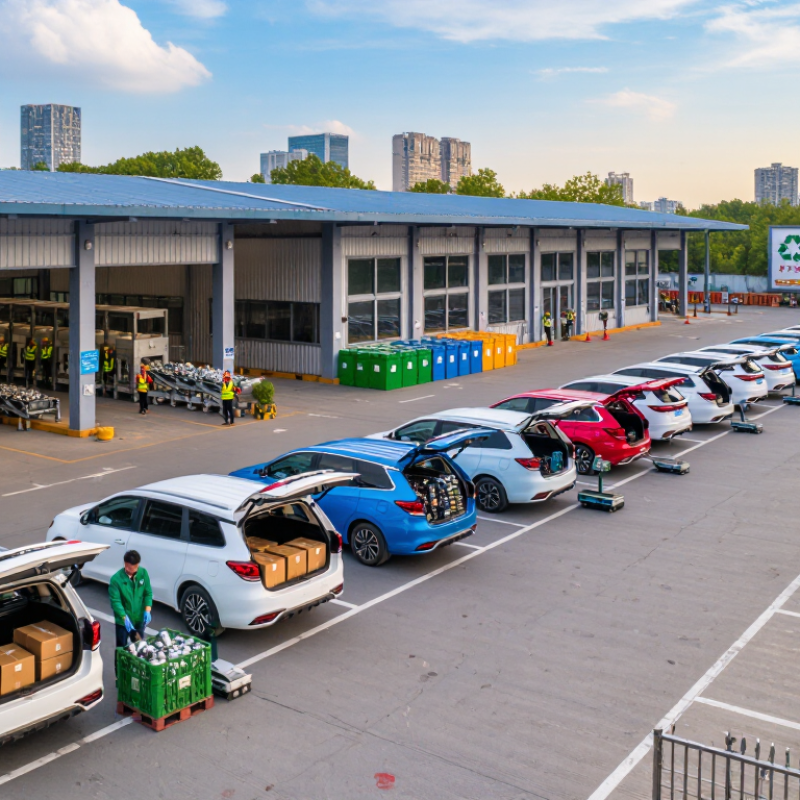
How to Choose a Recycling Center in 2026?

Understanding Your Recycling Needs and Local Options

How to Choose a Recycling Center in 2026?

Understanding Your Recycling Needs and Local Options

Choosing a recycling center starts with your actual household waste. Separate cardboard, glass, metal, electronics, batteries, and food containers. Do not assume one facility accepts everything. The U.S. Environmental Protection Agency reported a 32.1% recycling and composting rate for municipal waste in 2018. That figure shows why correct sorting still matters. One contaminated bag can reduce the value of an entire load.

Check local options before driving across town. A municipal drop-off site may accept bottles and paper, while a specialist facility handles electronics or household chemicals. Review accepted materials, opening hours, fees, and contamination rules online or by phone. Ask where collected materials go. A clear answer suggests stronger operational control. The World Bank’s What a Waste 2.0 report estimated 2.01 billion tonnes of municipal waste were generated globally in 2016. It projected 3.40 billion tonnes by 2050. Local capacity will face more pressure.

Visit the center if possible. Look for labeled bins, covered storage, clean floors, and staff who explain procedures patiently. I once chose a nearby site because it was convenient. Its unclear instructions caused avoidable sorting mistakes. Convenience is not enough. Compare travel distance with accepted materials and operating standards. The OECD’s Global Plastics Outlook found that only 9% of plastic waste was recycled globally in 2019. That statistic makes honest questions worthwhile, even when the answers are imperfect.
Checking Accepted Materials and Processing Standards

Choosing a recycling center in 2026 starts with a close look at its accepted-materials list. Do not trust a broad “recycling” label alone. Ask whether it takes clean cardboard, mixed paper, glass, metals, and specific plastics. Some facilities reject black plastic or food-stained containers. Others accept electronics only during scheduled collection periods. I once sorted a full box incorrectly because I relied on a faded sign. That mistake was avoidable.

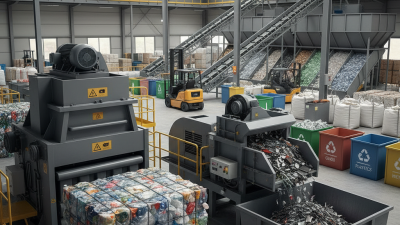
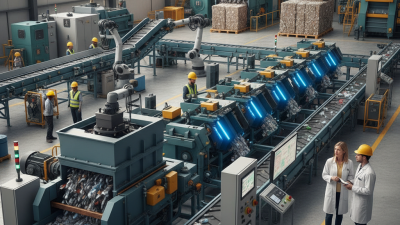
Request written processing details before making a regular trip. A credible center should explain where materials go, how contamination is removed, and whether items are actually recycled or transferred. Look for documented procedures, staff training, safety controls, and regular equipment maintenance. Processing standards should include weighing, sorting, storage, and quality checks. Ask how the center handles rejected loads. Clear answers matter more than impressive equipment.

Inspect the site if possible. Covered storage, labeled bins, dry floors, and separate material streams suggest disciplined handling. Check whether staff can answer practical questions without guessing. Verify accepted materials against current municipal guidance, since rules and markets change. Keep batteries, chemicals, and other specialized items separate unless the center explicitly accepts them. This part is easy to overlook. A center may sound responsible yet provide little evidence. I would rather make one extra call than contaminate an entire load, though careful checks can still miss a changing policy.

Comparing Location, Convenience, and Operating Hours

How to Choose a Recycling Center in 2026?

Location and convenience should guide your recycling center choice. A nearby facility can reduce fuel use, travel time, and missed drop-offs. Check the route during your usual travel hours. A center may appear close online, yet traffic can add thirty minutes. I once selected a convenient location that closed before my workday ended. That mistake created a pile of sorted materials at home. Look for clear entrance signs, safe unloading areas, and simple traffic flow.

Tips: Check operating hours on the center’s official website before leaving. Call if holiday hours seem unclear. Ask whether appointments are required. Confirm accepted materials, container sizes, and preparation rules. Save the address on your phone. Keep a backup center nearby.

Operating hours must match your real schedule, not an ideal one. Early opening helps people who commute. Evening hours support households with limited daytime availability. Weekend access can reduce rushed visits. Reliable hours matter more than attractive promises. Review the schedule every few months because policies can change in 2026. A center with excellent service is less useful if you cannot reach it during open hours. I still prefer a slightly farther facility with predictable access. Convenience is personal, and my first choice was not always the best one.

How to Choose a Recycling Center in 2026?

Comparing Location, Convenience, and Operating Hours

A practical recycling-center comparison should consider travel distance, accepted material categories, weekend access, and weekly opening hours. In this benchmark, shorter travel distance and broader access produce higher convenience scores, while longer operating hours improve scheduling flexibility. Centers with strong results across all three areas are generally easier to use regularly.

Evaluating Fees, Services, and Environmental Practices

How to Choose a Recycling Center in 2026?

Fees should be clear before you unload anything. Ask whether charges depend on weight, material, contamination, or vehicle type. Request a written rate sheet, including minimum fees and possible surcharges.

A low advertised price may not reflect your final bill. Ask for a receipt showing the measured weight and accepted category. Small details matter.

Services should match your actual materials. Confirm accepted items before driving there, especially for electronics, batteries, appliances, or mixed loads.

Ask whether staff sort materials manually or use separate processing lines. A clean drop-off area often suggests better organization, but appearances can mislead.

I once chose a convenient center without checking its accepted-material list. The return trip wasted time and fuel. Learn from my mistake.

Environmental practices deserve careful questions. Ask where materials go after collection and whether the facility tracks recovery rates.

Responsible operators should explain their downstream partners, contamination controls, and pollution-prevention procedures. Look for current permits, inspection records, or independently verified environmental reports when available.

Vague answers are a warning sign. So are overflowing bins and leaking containers. No center is perfect. Even published recovery figures may use different measurement methods, making comparisons difficult. Choose a facility that communicates limits honestly, protects workers, and documents its process.

Confirming Certifications, Reliability, and Community Impact

A reliable recycling center should show current certifications, permits, and insurance without hesitation. Check the certificate number with the issuing auditor, not only the facility’s website. ISO 14001 can indicate a documented environmental management system. For electronics, ask about secure data destruction and verified downstream processors. The Global E-waste Monitor 2024 reported 62 billion kilograms of electronic waste in 2022. Only 22.3% was formally collected and recycled. These figures make traceability essential.

Tips: Request the latest audit date, license expiration, acceptance list, and material destination. Visit the site if possible. Look for labeled containers, covered storage, spill controls, and trained workers. Ask how rejected materials are handled. A vague answer is useful information too.

Reliability also includes measurable community value. The U.S. Environmental Protection Agency’s Recycling Economic Information Report estimated 681,000 recycling and reuse jobs in 2016. It also reported about 37.8 billion dollars in wages and 5.5 billion dollars in tax revenue. Ask whether the center hires locally, publishes impact figures, and responds to neighborhood complaints. Do not confuse charity language with evidence. A polished website can mislead. No checklist is perfect. I would compare inspection records, customer references, and recent performance before trusting impressive claims.