Why is Recycling Aluminum Important for the Environment?
Recycling Aluminum is crucial for environmental sustainability. Richard E. Sweeney, an expert in recycling processes, states, “Every time we recycle aluminum, we save energy and help the planet.” This conservation of energy plays a vital role in reducing greenhouse gas emissions.
Aluminum production is energy-intensive. By recycling this metal, we use only 5% of the energy required for raw aluminum. This significant reduction helps mitigate the effects of climate change. Moreover, recycled aluminum can be used to create new products, extending its life cycle.
However, despite the benefits, recycling rates remain low in many areas. There's still a lack of awareness about the importance of Recycling Aluminum. With proper education and encouragement, communities can significantly improve their recycling efforts. Collectively, we can make a noticeable impact. It’s essential that we reflect on our consumption habits.
The Environmental Benefits of Recycling Aluminum
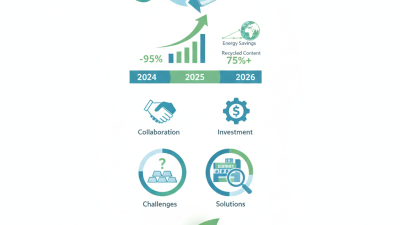
Recycling aluminum offers significant environmental benefits that cannot be overlooked. It reduces energy consumption dramatically. Producing new aluminum from recycled materials uses 95% less energy compared to creating it from raw bauxite. This lower demand for energy helps decrease greenhouse gas emissions.
The recycling process also conserves natural resources. Aluminum is abundant, but the extraction process is invasive. Every ton of recycled aluminum saves up to 4 tons of bauxite, which also helps protect ecosystems. With responsible recycling, we can preserve wildlife habitats.
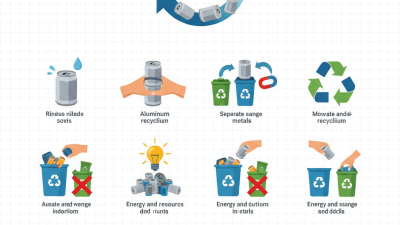
**Tips:** When recycling, ensure aluminum containers are clean. Contaminants can reduce the quality of recycled materials. Consider using reusable bags to reduce aluminum waste. Educate others in your community about the importance of recycling aluminum. Awareness is essential for collective action.
Understanding the Energy Savings from Aluminum Recycling
Aluminum recycling plays a crucial role in energy conservation. Recycling just 1 ton of aluminum can save over 9,000 kilowatt-hours of electricity. This statistic highlights the significant impact of recycling on energy savings. When aluminum is recycled, it takes only 5% of the energy needed to produce new aluminum from ore. The reduced demand for energy helps lower greenhouse gas emissions.
Research by the Aluminum Association indicates that recycling aluminum saves about 95% of the energy used in primary production. This is a staggering figure that should encourage more recycling efforts. In many regions, recycling efforts remain inadequate. The recycling rate for aluminum cans is around 50%, leaving a substantial amount of potential energy savings untapped.
Communities can improve their recycling programs. Education and accessibility are key factors. People often lack awareness about the energy implications of recycling. It's not just about waste management; it’s about conserving precious resources. Raising awareness can boost recycling rates and contribute to a more sustainable future. We must reflect on our habits and consider the impact of our choices on the environment.
Reducing Landfill Waste through Aluminum Recycling
Aluminum recycling plays a crucial role in reducing landfill waste. Every year, millions of tons of aluminum end up in landfills. Recycling this metal conserves natural resources. It also reduces energy consumption. The process of recycling aluminum uses up to 95% less energy than producing new aluminum from raw materials. This substantial energy saving translates into lower greenhouse gas emissions.
When aluminum cans are tossed in the trash, they contribute to the growing waste crisis. Landfills can take hundreds of years to decompose aluminum. This leads to more space taken up and increased pollution. Many people may not realize the long-term environmental impact of these seemingly small actions. It's essential to change our habits and think critically about waste.
Education on recycling is needed. Communities can create better programs to inform residents. While some people actively recycle, others may not know its importance. We must work on making recycling parts of daily life. Simple steps like separating cans can have a meaningful impact over time. Through collective efforts, we can significantly reduce landfill waste.
The Role of Aluminum Recycling in Conserving Natural Resources
Recycling aluminum plays a significant role in conserving natural resources. Aluminum production requires immense energy and mining for bauxite, the raw material. These activities can lead to habitat destruction and soil degradation. When we recycle aluminum, we reduce the need for new mining. This helps protect ecosystems.
The recycling process saves up to 95% of the energy needed for new aluminum production. It also lowers greenhouse gas emissions, contributing to a healthier environment. By reusing existing aluminum, we minimize waste and reduce landfill pressures.
However, recycling aluminum is not without its challenges. Many people still lack awareness about the benefits of recycling. Contamination in recycling bins can lead to lower quality materials, impacting the recycling process. We must address these issues to maximize the benefits of aluminum recycling. It is crucial to inform communities and encourage better recycling habits. Only then can we safeguard our natural resources effectively.
Why is Recycling Aluminum Important for the Environment? - The Role of Aluminum Recycling in Conserving Natural Resources
| Aspect |
Impact |
Statistics |
| Energy Conservation |
Recycling aluminum saves up to 95% of the energy required to create new aluminum. |
1 ton of recycled aluminum saves approximately 14,000 kWh of energy. |
| Natural Resource Conservation |
Reduces the need for raw material extraction, preserving natural habitats. |
Recycling 1 ton of aluminum saves 4 tons of bauxite. |
| Waste Reduction |
Decreases the amount of waste sent to landfills. |
Aluminum cans have a recycling rate of approximately 50% in the U.S. |
| Emissions Reduction |
Less aluminum production means fewer greenhouse gas emissions. |
Recycling aluminum reduces CO2 emissions by about 9 million tons annually in the U.S. |
| Economic Benefits |
Creates jobs and stimulates economic growth within the recycling sector. |
The recycling industry supports over 1.1 million jobs in the U.S. |
Economic Advantages of Aluminum Recycling for Communities
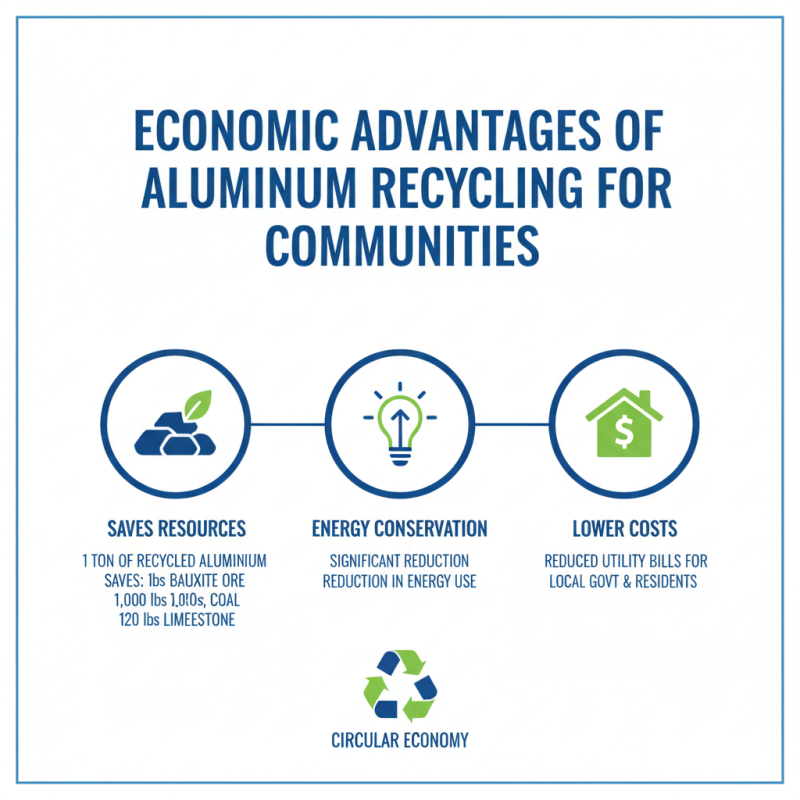
Recycling aluminum offers significant economic advantages for communities. Every ton of aluminum recycled saves about 2,000 pounds of bauxite ore, 1,000 pounds of coal, and 120 pounds of limestone. This process is not only cost-effective, but it also conserves energy. The reduction in energy use translates to lower utility bills for local governments and residents.
Furthermore, aluminum recycling creates jobs in the local economy. The recycling industry needs workers to collect, process, and distribute recycled materials. Each recycling facility presents opportunities for employment. However, not every community benefits equally. Some areas struggle to develop efficient systems for recycling.
Investing in better recycling programs requires commitment and strategy. Local governments often face budget constraints. They must balance education about recycling with infrastructure improvements. While aluminum recycling has clear benefits, disparities exist. These disparities challenge many communities to maximize their potential while fostering sustainable practices. Addressing these issues can lead to improved economic outcomes and a healthier environment for everyone.