Leave Your Message

What Is Scrap Yard Equipment and What Types Are Used?

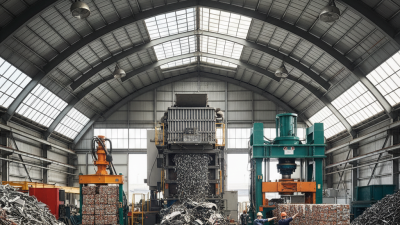
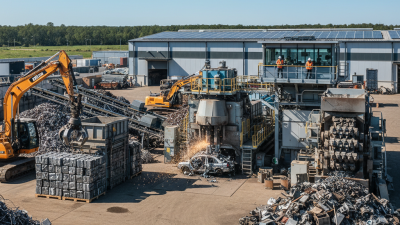
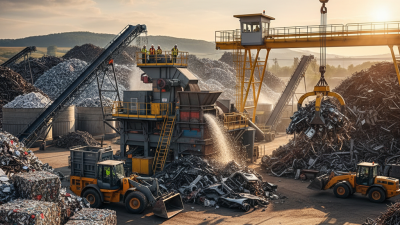
Scrap Yard Equipment turns mixed, bulky scrap into material that can be sorted, sized, and moved. A typical yard may rely on a hydraulic shear, baler, magnet, grapple-equipped excavator, and truck scale. Each machine has a distinct job. The shear cuts heavy steel; the magnet lifts ferrous metal from a moving belt; the scale records incoming and outgoing loads. Together, they shape the yard’s flow.

The industry’s scale is substantial. The Institute of Scrap Recycling Industries’ 2019 economic-impact study estimated that the U.S. recycling industry generated $110.6 billion in economic activity and supported 534,000 jobs. Those figures cover recycling broadly, not scrap yards alone, so they should not be read as equipment-market statistics. Still, they show why safe, dependable material handling matters. Circular-economy architect William McDonough’s well-known phrase, “Waste equals food,” captures the idea: discarded material can become feedstock. Equipment helps make that possible, though it does not guarantee efficient recovery.

Choosing machines depends on the material mix, daily volume, site layout, and maintenance capacity. A yard processing light sheet metal may need different tools from one handling bulky structural steel. Details matter. So does upkeep: worn hoses, damaged belts, or poor operator visibility can slow work and create hazards. No machine is a universal fix. This guide explains the main Scrap Yard Equipment types, what each does, and the practical trade-offs buyers should consider before investing. Industry averages help, but a yard’s own operating records often tell the more useful story.
What Is Scrap Yard Equipment and What Types Are Used?

What Scrap Yard Equipment Is and Its Role in Metal Recycling

What Is Scrap Yard Equipment and What Types Are Used?

What Scrap Yard Equipment Is and Its Role in Metal Recycling

Scrap yard equipment includes the machines used to receive, sort, size, and prepare discarded metal for recycling. A truck scale records incoming loads, while excavators with grapples move bulky steel safely across the yard. Magnets separate ferrous metals; shears and balers cut or compact material for easier transport. Shredders reduce mixed scrap into smaller pieces. Each step helps produce a more consistent feedstock for metal processors.

The equipment supports metal recycling by improving material handling and preparing scrap for reuse in manufacturing.

The Bureau of International Recycling’s World Steel Recycling in Figures 2018–2022 reports that steelmakers used about 630 million tonnes of ferrous scrap in 2022. That scale of demand makes reliable sorting and preparation important.

But machines have limits. Still, no machine sorts perfectly. Painted surfaces, tangled shapes, and mixed loads can complicate separation, so trained workers need to inspect material and adjust processes.

Tips: Match equipment to the scrap you actually handle. Keep clear walkways around moving machines, and check that loads are stable before lifting. Weigh and inspect incoming material consistently; small recording errors can distort inventory. Review the setup regularly, too. A fast machine is not always the right machine for a yard’s space or material mix.
How Scrap Materials Are Received, Sorted, and Prepared

Scrap yard equipment supports each stage of material handling, but receiving sets the pace. Incoming loads are weighed, visually checked, and directed to a safe unloading area. A scale records the load’s weight, while staff look for obvious mixing, moisture, or oversized pieces. Clear entry lanes help prevent trucks and pedestrians from crossing paths. Small delays matter.

After unloading, workers separate materials by type, size, and condition. Magnets can lift ferrous metals from mixed piles; conveyors and screens help move and divide material. Trained staff may also sort items by hand, using suitable protective equipment and safe working distances. The right method depends on the material and the yard’s layout. In practice, piles are rarely as uniform as diagrams suggest, so teams need room to adjust.

Before processing or shipment, equipment such as shears, balers, or compactors can reduce volume and create manageable batches. Operators check that material is suitable for the machine and keep people clear of moving parts. Tips: Keep material categories clearly marked. Remove unexpected items from the sorting flow and ask a supervisor before handling them. A tidy staging area helps, though it will not prevent every mix-up.

What Is Scrap Yard Equipment and What Types Are Used? — How Scrap Materials Are Received, Sorted, and Prepared

Scrap yard equipment supports the movement, identification, sorting, size reduction, and preparation of recyclable materials. The exact equipment and process depend on the material mix and facility layout.

Process Stage Equipment Type Main Function Materials Commonly Handled Typical Output or Preparation
Receiving and weighing Truck scale (weighbridge) Records vehicle weight at arrival and departure to determine the net weight of delivered or shipped material. Mixed scrap loads, ferrous and non-ferrous metals, vehicles, and recyclable materials Weight records used for inventory, transaction, and shipment documentation
Unloading and handling Material handler with grapple or magnet Unloads, moves, and stockpiles scrap; attachments are selected to suit the material and handling task. Loose steel, bulky scrap, prepared bundles, and mixed metal loads Material placed in designated storage or processing areas
Initial inspection Sorting area and inspection tools Allows workers to identify material types, remove unsuitable items, and check loads for safety or contamination. Incoming mixed loads and separately delivered scrap Loads routed to suitable storage, processing, or rejection areas
Manual sorting Sorting belt or picking station Moves material past workers who separate visible items or remove contaminants that automated systems may not identify. Mixed metal, recyclable packaging, and selected mixed scrap streams Cleaner, more consistent material streams for further processing
Ferrous metal separation Overband or drum magnet Uses magnetic force to separate ferrous metals from non-magnetic material on a conveyor or within a processing line. Iron and steel mixed with non-ferrous metals or other material A ferrous fraction separated from the remaining stream
Non-ferrous separation Eddy-current separator Uses a changing magnetic field to eject many electrically conductive non-ferrous metals from a moving stream. Commonly aluminum and other conductive non-ferrous pieces after suitable feed preparation A non-ferrous fraction separated from non-conductive residue; performance depends on particle size and feed condition
Size reduction Scrap shear Cuts oversized metal into smaller, more manageable pieces for handling or shipment. Selected bulky ferrous scrap and other materials within the machine’s operating limits Reduced-size pieces suitable for downstream handling or processing
Size reduction Shredder Breaks suitable scrap into smaller fragments to support downstream separation and material recovery. Prepared scrap streams, including certain metals and end-of-life products, subject to facility controls Shredded material requiring further separation and inspection
Screening and sizing Trommel or vibrating screen Separates material into size fractions through a rotating perforated drum or vibrating screen deck. Shredded material, fines, and other screened processing streams Separate size fractions for additional sorting, recovery, or residue handling
Compaction and preparation Baler Compresses suitable loose material into dense, manageable bundles for storage and transport. Selected metal scrap, aluminum cans, and other materials compatible with the baler design Compressed bales with more consistent handling and loading characteristics
Internal transfer Conveyor Moves material between processing stages and can provide a controlled feed to sorting equipment. Prepared scrap, shredded material, and screened fractions Steady transfer between receiving, sorting, and processing operations
Environmental control Dust collection and suppression systems Collect or control airborne dust generated by handling and processing; system selection depends on the process and site requirements. Dust-producing operations and material streams Reduced airborne dust, with collected material managed according to site procedures

Which Machines Cut, Shred, and Compact Scrap

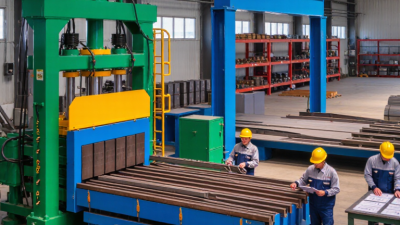
Scrap yard equipment turns bulky, mixed material into pieces that are easier to handle and transport. Hydraulic shears cut beams, pipes, and thick sheet into manageable lengths. An alligator shear uses a hinged blade for shorter stock, while a guillotine shear handles larger, flatter sections. Operators need to check material size and blade capacity before feeding scrap. Even a small mismatch can cause jams or uneven cuts. Keep the feed controlled.

Shredders reduce bulky items through rotating shafts, cutters, or hammers. Twin-shaft machines often tear irregular feed, while hammer mills break material into smaller fragments. The output depends on the screen, rotor speed, and what enters the machine; mixed loads rarely produce perfectly uniform pieces. That is worth remembering. Balers compress loose scrap into dense bundles, and briquetting presses compact fine metal chips into blocks. These machines save space, but wet or contaminated material may affect handling and product quality. Guards, clear feeding zones, and routine inspection matter around every cutting and compacting machine. A practical yard matches machine size to its typical feed, rather than choosing equipment for its largest possible load.

Equipment Used to Move and Store Scrap Materials

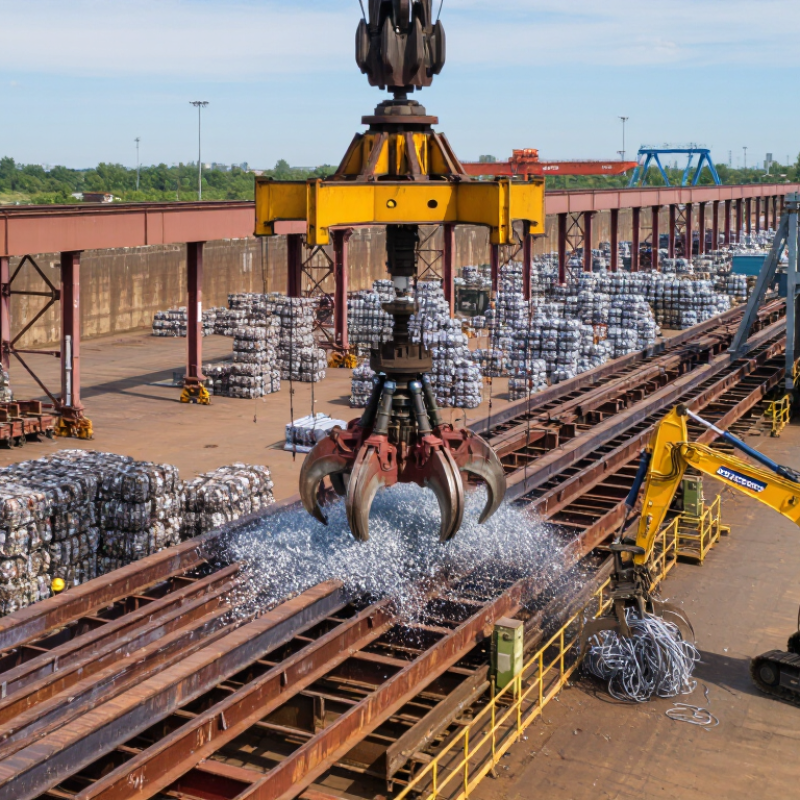
Scrap yards rely on equipment that keeps heavy material moving without blocking truck lanes or processing areas. Wheel loaders shift loose scrap into bays, while tracked material handlers use grapples or magnets to sort and load bulky pieces. Forklifts move palletized offcuts and secured bins; conveyors help carry smaller, consistent material between workstations. The scale is substantial: the U.S. Geological Survey’s 2024 Mineral Commodity Summaries estimated U.S. iron and steel scrap consumption at about 59 million tons in 2023. That volume makes suitable handling equipment a daily operational need, not a minor convenience.

Storage starts with clear separation. Concrete bays hold loose grades, while labeled containers keep smaller pieces from spreading across the yard. Roll-off bins support quick collection near cutting or unloading zones, and covered storage can help keep some materials dry. Balers and shears change scrap’s size and shape, making it easier to stack, move, or load. Even so, denser loads are not automatically better; uneven bundles can shift during lifting. A practical layout leaves turning room for loaders and keeps pedestrian paths away from equipment routes. Dust, rain, and poor visibility complicate routine work. They deserve more attention than they often get.

How Scrap Yard Equipment Choices Depend on Material and Workload

Scrap yard equipment should match the material being handled, not just the size of the yard. A hydraulic shear can reduce bulky steel sections, while a baler compresses loose sheet metal into manageable bundles. Shredders process mixed or irregular feed, but they need careful material sorting and steady maintenance. Magnets help separate ferrous metal from other material. Small details matter.

Workload changes the calculation. A yard handling occasional deliveries may rely on a loader, a scale, and a shear. Higher daily volumes can justify dedicated sorting lines or larger processing machines. Consider peak deliveries, not only the average week. Otherwise, equipment may sit idle—or create a bottleneck beside the unloading area. That is easy to overlook.

Material condition also affects performance. Thin, clean offcuts behave differently from tangled wire, painted pieces, or damp scrap. Check the expected size range, weight, and consistency before choosing capacity. Leave room for safe movement and routine servicing. A machine that fits the budget but blocks truck access is a poor fit. I would not use tonnage alone to decide; downtime, operator skill, and repair access count too. Real workloads can be uneven, so some choices may need revisiting after a few months of tracking cycle times and stoppages.

What Is Scrap Yard Equipment and What Types Are Used?

Material density is one factor in choosing scrap-handling equipment. Dense metals may require robust lifting and handling equipment, while material size, shape, contamination, and workload also affect the choice.

Approximate solid-material densities: steel 7,850 kg/m³, aluminum 2,700 kg/m³, and copper 8,960 kg/m³. These are material properties, not scrap bulk densities or equipment capacity ratings. Actual equipment selection depends on the material’s form and the yard’s workload.