Leave Your Message

What Are the Top Metal Recycling Companies Worldwide?

Metal Recycling has become a strategic industry, not merely a solution for discarded materials. Every year, companies recover steel, aluminum, copper, and precious metals from vehicles, buildings, appliances, and industrial equipment. These materials return to manufacturing instead of remaining buried in landfills. The process saves energy, protects natural resources, and supports more resilient supply chains.

Industry experience matters here. Ranjit Baxi, a veteran recycling executive, has said, “Recycling is not a choice; it is a necessity.” His statement captures the pressure facing modern manufacturers. Demand for secondary metals is increasing, while mining new resources often requires greater energy, investment, and environmental management. Leading companies such as Sims Metal, European Metal Recycling, Radius Recycling, Aurubis, and Chiho Environmental operate across different markets and material streams. Their strengths vary. Some focus on ferrous scrap. Others specialize in copper, aluminum, or complex electronic materials.

No ranking is perfect. Company size alone does not prove leadership. A strong evaluation should consider processing capacity, collection networks, recovery technology, safety performance, transparency, and regional reach. It should also examine how companies handle contaminated or difficult materials. Small details matter. A sorted cable pile, a cleaned aluminum profile, or a compacted steel vehicle can represent significant value. Yet the sector still faces inconsistent data, changing commodity prices, and uneven recycling infrastructure. That uncertainty deserves attention. This guide compares the world’s top Metal Recycling companies through a practical, evidence-based lens, while recognizing that industry performance can change quickly.
What Are the Top Metal Recycling Companies Worldwide?

What Is Metal Recycling and Why Does It Matter?

Metal recycling is the process of collecting, sorting, processing, and reusing discarded metal. It turns old steel beams, copper wire, aluminum cans, and machinery into valuable raw material. Instead of extracting every tonne from new mines, manufacturers can use recovered metal in fresh production.

The process begins with careful separation. Magnets remove ferrous metals, while sensors and manual checks identify aluminum, copper, and mixed alloys. Shredders reduce bulky items into manageable pieces. Clean sorting matters. Even a small amount of contamination can lower material quality and increase processing costs. At reputable recycling facilities, workers track incoming loads, test metal grades, and maintain documented handling procedures.

The environmental value is significant. Recycling metal usually requires less energy than producing it from ore. It can also reduce mining pressure, landfill volume, and transport emissions. However, recycling is not automatically clean. Dust, fuel use, damaged equipment, and poor sorting can create avoidable impacts. That matters.

Leading metal recycling companies are often judged by measurable practices rather than advertising. Useful indicators include recovery rates, worker safety records, transparent weighing systems, certified environmental controls, and reliable supply chains. Buyers also need accurate alloy information for manufacturing consistency. Small errors spread.

The industry still has room to improve. Some facilities depend on outdated machinery, while informal collection networks may lack proper documentation. Better automation can raise efficiency, but trained people remain essential for unusual materials and difficult decisions. A responsible recycler balances profit with material quality, environmental protection, and long-term community trust.
How Are the World’s Leading Metal Recycling Companies Classified?

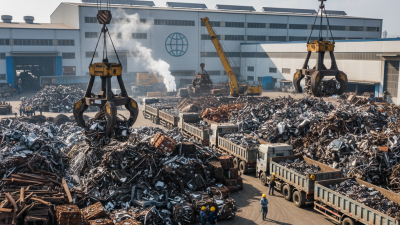
The world’s leading metal recycling companies are best classified by feedstock, process, and market reach. This approach is more useful than ranking them by revenue alone. A practical classification separates ferrous recyclers from non-ferrous specialists. It also distinguishes integrated operators from collection-focused businesses.

Ferrous recyclers handle steel scrap from vehicles, buildings, and machinery. The Bureau of International Recycling reports that global steel scrap recycling exceeds 600 million tonnes annually. Non-ferrous specialists process aluminium, copper, lead, and nickel. These materials usually command higher values because purity strongly affects resale prices. The International Aluminium Institute estimates that nearly 75% of aluminium ever produced remains in active use. That figure shows why recovery networks matter.

Another classification examines technology. Some companies rely on shredding, magnetic separation, and optical sorting. Others use furnaces, refining systems, or closed-loop production contracts. Closed-loop operators return processed metal to specific manufacturers. Commodity recyclers sell standardized materials across broader markets. Geography matters too. Regional operators often depend on nearby demolition sites and factories. Global groups manage ports, warehouses, and cross-border supply chains.

This model is useful, but not flawless. A single recycler may collect steel, refine copper, and trade aluminium. Its category can shift with market conditions. The United Nations Environment Programme reported that global material extraction could rise sharply by 2060 without stronger circular systems. Therefore, credible evaluation should examine recovery rates, traceability, emissions, safety records, and audited data. Revenue alone says little. Scrap piles reveal more.

How Are the World’s Leading Metal Recycling Companies Classified?

Metal recycling companies are commonly classified by material specialization, collection scale, processing capability, and circularity performance. This chart compares indicative global end-of-life recycling rates by major metal category. The figures are rounded industry estimates synthesized from international resource-efficiency and metals-recycling assessments; actual rates vary by region, product type, and measurement method.

Source basis: UNEP International Resource Panel, International Aluminium Institute, World Steel Association, and metals-industry recycling assessments.

Which Companies Lead Global Metal Collection and Processing?

Global metal collection leaders usually combine wide purchasing networks with dependable sorting facilities. They collect steel, aluminum, copper, and nickel from construction sites, factories, vehicle dismantlers, and municipal programs. Their advantage is reach. A truck may gather mixed loads in one region, while regional yards consolidate material for larger processing plants.

The strongest operators invest in weighing systems, magnetic separators, eddy-current equipment, shredders, and optical inspection tools. These systems reduce contamination and improve recovery rates. Experienced staff still matter. A trained inspector can spot insulated copper, coated aluminum, or moisture hidden inside a container. Small errors can lower the value of an entire shipment.

Processing capacity is only one measure of leadership. Reliable companies also provide documented weights, clear material grades, traceable transport, and safety-focused working conditions. They monitor energy use and control dust, noise, and runoff around their facilities. International networks can move recovered metal toward mills and foundries when local demand changes. However, global scale does not guarantee better performance. Some facilities publish limited recovery data, making comparisons difficult. Collection quality also varies sharply between cities. One overlooked problem is contamination from plastics, oils, and mixed components. It raises costs. A more credible assessment should examine verified recovery rates, customer audits, equipment maintenance, and long-term relationships with suppliers, not only annual tonnage.

What Are the Top Metal Recycling Companies Worldwide? — Global Metal Collection and Processing Benchmark
Metal Stream Common Global Feedstock Primary Processing Route Verified Industry Fact Value of Recycled Output Key Collection Challenge Leadership Indicator for Recyclers
Steel End-of-life vehicles, construction scrap, appliances, machinery and manufacturing off-cuts Sorting, shredding, magnetic separation and melting in electric arc furnaces; some scrap is also used in integrated steelmaking Most recycled material by weight
Steel can be recycled repeatedly without losing its core material properties.
Construction products, automotive sheet, beams, reinforcing bar and engineering steel Mixed scrap contamination, copper-bearing residues and regional differences in collection infrastructure High scrap throughput, advanced sorting, stable furnace access and strong supply contracts
Aluminum Beverage cans, vehicle components, building products, foil, aerospace parts and production scrap Bal­ing, shredding, eddy-current separation, decoating and remelting into rolling or extrusion ingot Up to 95% less energy
Recycling aluminum can use up to 95% less energy than producing primary aluminum from ore.
Can sheet, automotive components, extrusion billet and other high-value alloy products Alloy mixing, low capture rates for small packaging and losses caused by fragmented collection systems Closed-loop capability, alloy sorting accuracy and access to large post-consumer volumes
Copper Electrical cable, plumbing, motors, transformers, industrial equipment and electronic assemblies Mechanical stripping and separation followed by secondary smelting, fire refining and, where required, electrorefining Up to 85% less energy
Secondary copper production can use up to 85% less energy than primary production.
Wire rod, tubing, electrical components, brass feedstock and copper alloys Complex products, insulated wire, theft risk and the need to separate copper from aluminum and other alloys Recovery yield, purity control, secure collection channels and refining capacity
Lead Lead-acid vehicle batteries, industrial batteries, cable sheathing, roofing and manufacturing residues Battery breaking, plastic separation, controlled furnace smelting, refining and alloy adjustment Very high recovery potential
Lead-acid batteries are among the most extensively recycled consumer products in mature collection markets.
New battery grids, plates, alloys, shielding and selected industrial applications Strict controls are required for hazardous dust, acid electrolyte, emissions and worker exposure Licensed battery collection, closed-loop processing, environmental compliance and emissions control
Zinc Galvanized steel, die-cast components, brass scrap, roofing and electric-arc-furnace dust Sorting, volatilization or thermal treatment, hydrometallurgical refining and alloy recovery Material properties retained
Zinc can be recycled repeatedly when it is recovered in suitable forms and kept within quality specifications.
Galvanizing metal, die-casting alloys, brass and zinc-based chemical products Zinc is often attached to steel or dispersed in complex products, making recovery more difficult Dust-treatment capability, steel-scrap relationships and refined-zinc quality management
Nickel Stainless-steel scrap, superalloys, plating residues and rechargeable battery materials Sorting and alloy separation followed by electric melting, secondary smelting or hydrometallurgical recovery High strategic value
Nickel recovery supports stainless-steel and battery supply chains and reduces demand for newly mined material.
Stainless steel, nickel alloys, battery precursor materials and plating chemicals Different alloy grades and changing battery chemistries require detailed composition testing Laboratory analysis, chemistry-specific recovery, secure feedstock and quality-certified outputs
Precious Metals Printed circuit boards, mobile devices, industrial catalysts, jewelry and laboratory materials Pre-processing, pyrometallurgy, hydrometallurgy and selective refining High concentration value
Small quantities of electronic scrap can contain valuable gold, silver, palladium and platinum-group metals.
Investment-grade metals, industrial catalysts, electronics and jewelry feedstock Small devices are difficult to collect, while hazardous components and data-security concerns complicate handling Recovery efficiency, secure chain of custody, analytical precision and responsible residue treatment
Electronic Scrap Information-technology equipment, consumer electronics, appliances, telecom equipment and industrial controls Manual dismantling, depollution, shredding, ferrous and non-ferrous separation, followed by specialist refining 62 billion kg generated in 2022
Only about 22.3% of global electronic waste was formally documented as collected and recycled in 2022.
Ferrous and non-ferrous metals, precious metals, plastics and reusable components Informal processing, short product lifecycles, hazardous substances, export controls and low consumer return rates Formal collection coverage, certified downstream partners, traceability and recovery of multiple material streams
The table uses industry-wide, company-neutral benchmarks. Global leadership in metal recycling is generally assessed through collection reach, annual processing capacity, recovery yield, output purity, environmental compliance, traceability and the ability to process difficult mixed-material streams.

What Technologies and Services Define Top Metal Recyclers?

Top metal recyclers are defined by their technologies, controls, and practical services. They handle mixed scrap with measurable precision, not simple collection alone. At receiving yards, trained staff inspect loads for contamination, moisture, and unsafe materials. Digital scales record weights before processing begins.

Modern facilities combine magnetic separation, eddy-current systems, and optical sorting. Handheld analyzers can identify alloy compositions within seconds. This helps separate stainless steel, aluminum, copper, and specialized grades. Advanced shredders reduce bulky items into consistent pieces. Sensors then track material movement through each processing stage. The process is efficient, but not flawless. Dust, coatings, and mixed alloys can still confuse automated equipment.

Reliable recyclers also provide testing, scheduled pickup, and documented material reports. Some offer container planning for factories, construction sites, and dismantling projects. Secure data systems connect weights, grades, photographs, and delivery records. These details support accurate pricing and responsible supply-chain decisions. Environmental controls matter just as much. Enclosed conveyors, water treatment, noise barriers, and emissions monitoring reduce local impacts. Worker training remains essential. Human checks still matter.

The strongest operators invest in maintenance and independent quality audits. They explain recovery rates instead of making vague promises. They also identify losses, such as metal trapped in residue or damaged during shredding. That honesty builds credibility. A facility may use impressive machinery, yet weak sorting records can undermine its performance. Practical expertise appears in small details, including clean storage bays, calibrated instruments, and clear handling procedures.

How Do Major Metal Recycling Companies Measure Global Impact?

What Are the Top Metal Recycling Companies Worldwide?

Major metal recycling companies measure global impact through more than annual tonnage. They track recovered steel, aluminum, copper, and critical metals across facilities and supply networks. Reliable operators report recovery rates, recycled content, energy use, and greenhouse gas emissions. They also compare emissions with primary mining benchmarks. A single shipment may begin at a demolition site and end at a certified manufacturing plant. That chain needs records, weighing systems, and regular audits.

Worker safety matters too. Serious recyclers monitor injury rates, equipment inspections, training hours, and emergency response times. Community impact can include local employment, cleaner industrial land, and reduced landfill pressure. Some companies publish supplier standards and require evidence of responsible sourcing. Yet measurement is not perfect. Different regions use different reporting boundaries, and estimates may hide transport emissions. Honest reporting should explain these gaps instead of presenting polished numbers as complete truth.

Tips: Look for independently verified data, not impressive totals alone. Check whether reports separate owned facilities from contractors. Ask how recycled material is traced, tested, and documented. Compare emissions per tonne, rather than total emissions only. Review safety data and community records. A high recovery rate can still conceal heavy energy use or weak labor practices. Small details often reveal operational quality. Scrap piles, weighbridge logs, and maintenance records may tell more than a glossy sustainability statement.