Leave Your Message

Top 10 Material Handler Machine Types for Global Buyers

Choosing the right Material Handler Machine can shape productivity, safety, and operating costs across a global worksite. A busy recycling yard needs different equipment from a timber terminal, steel mill, or port warehouse. Machine reach, lifting capacity, attachment compatibility, fuel use, and ground conditions all influence the final decision.

This guide introduces ten common machine types used by international buyers. It considers excavator-based handlers, wheel loaders, telehandlers, forklifts, cranes, and specialized equipment for demanding material flows. Each type offers practical strengths, but each also creates trade-offs. A high-reach machine may improve loading speed, while a compact model can work better in narrow indoor spaces.

Real purchasing decisions rarely follow a brochure perfectly. Operators may value visibility more than maximum capacity. Maintenance teams may prefer familiar hydraulic systems and accessible parts. A low purchase price can become expensive when filters, tires, or trained technicians are difficult to source locally. That detail is easy to overlook.

No machine fits every yard.

Buyers should compare working hours, local service support, emissions requirements, operator skill, and expected material density before signing an order. A reliable supplier should provide clear specifications, documented testing, warranty terms, and realistic performance guidance. Independent inspection can also reveal issues hidden beneath fresh paint.

The following overview is designed to support careful comparison, not rushed selection. Some categories overlap, and manufacturer terminology is not always consistent. That can create confusion. By examining each Material Handler Machine type through real applications and operating conditions, global buyers can build a more informed and defensible equipment shortlist.
Top 10 Material Handler Machine Types for Global Buyers

Material Handler Machines: Definition, Functions, and Core Classification

Material Handler Machines: Definition, Functions, and Core Classification

Material handler machines move, lift, sort, load, or position materials in industrial environments. Their design depends on load weight, reach, ground conditions, and work frequency.

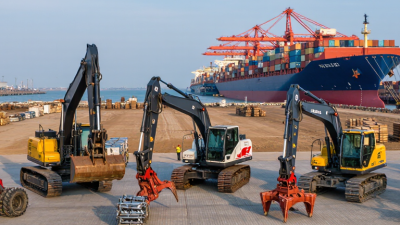
Common types include excavator handlers, wheeled handlers, crawler handlers, forklifts, telescopic handlers, reach stackers, knuckle-boom loaders, skid-steer loaders, conveyor loaders, and vacuum handlers.

Each machine combines a carrier, lifting system, and task-specific attachment.

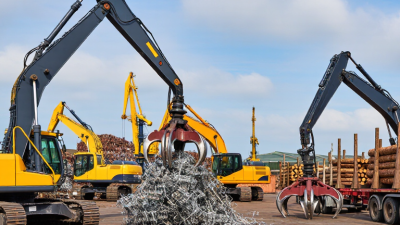
A grapple suits scrap and logs.

Forks suit pallets.

A magnet supports ferrous material handling.

Classification usually begins with mobility. Wheeled machines travel quickly across paved yards, while crawler models provide stronger stability on soft ground.

Buyers should also compare lifting capacity, maximum reach, hydraulic flow, attachment compatibility, operator visibility, and maintenance access.

Function matters more than appearance. A compact loader may outperform a larger machine in narrow aisles, but it can struggle with high-volume loading.

Real site measurements should guide the decision.

Tips:

Record the heaviest routine load, not only the maximum load. Check the machine’s rated capacity at the required reach. Review ground pressure for uneven yards.

Ask for service intervals, safety documentation, and operator training requirements. Leave space for turning and attachment changes.

A dusty site can expose weak filters quickly. No classification is perfect; local weather, material shape, and operator habits can change performance.

Test assumptions before placing a large order.
The Top 10 Material Handler Machine Types by Application

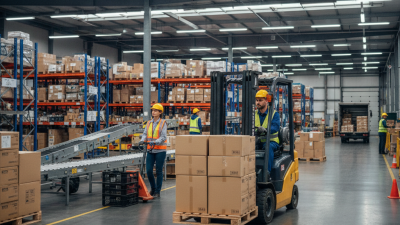
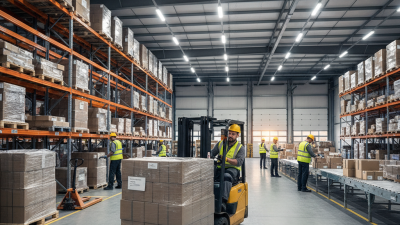
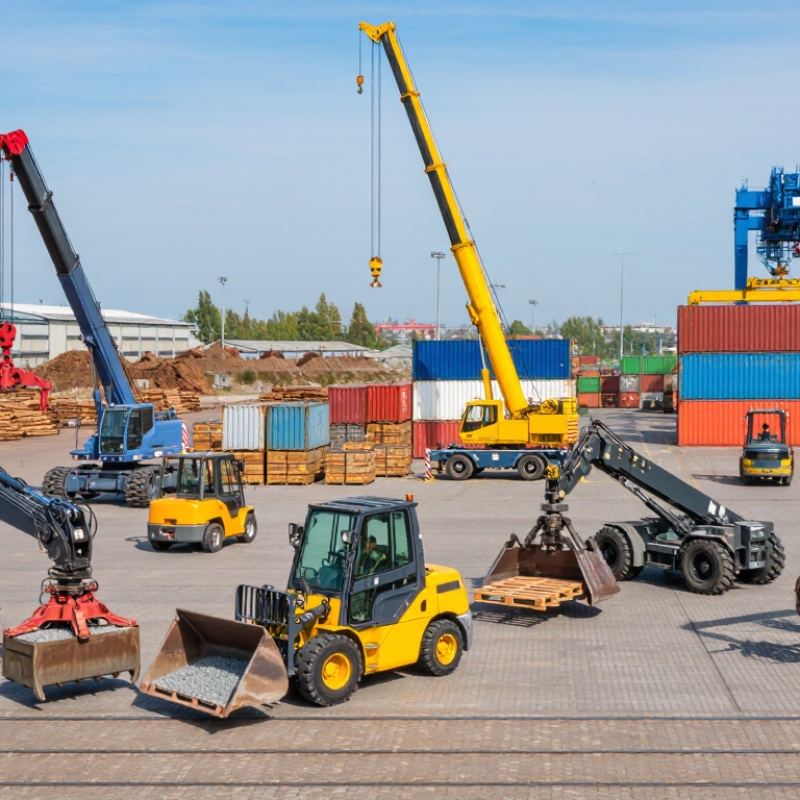
Material handling choices should follow the application, not fashion. In ports, reach stackers and heavy forklifts move containers across uneven yards. Warehouses need electric forklifts, pallet trucks, and automated guided vehicles. Manufacturing plants often use overhead cranes and vacuum lifters for controlled, repetitive movement. Construction sites depend on telehandlers and rough-terrain forklifts. Mining operations require crawler carriers and high-capacity loaders. Forestry uses log loaders with strengthened booms. Agriculture benefits from compact telehandlers. Recycling facilities use grapple loaders and material sorters. Waste sites commonly use wheeled loaders. Rail terminals rely on empty-container handlers and reach stackers.

The Global E-waste Monitor 2024 reported 62 million tonnes of electronic waste in 2022. That figure strengthens demand for safer sorting and recycling equipment. UNCTAD reports that maritime transport carries over 80% of global merchandise trade by volume. Port equipment therefore needs reliable uptime and corrosion-resistant components. The World Bank projects municipal waste could reach 3.4 billion tonnes annually by 2050. Waste handlers may need enclosed cabs, dust control, and easy maintenance access. These figures are useful, but they do not replace site measurements. Real ground conditions can expose weak assumptions quickly.

Tips: Match lift capacity to the heaviest real load, not the average pallet. Check aisle width, floor strength, turning radius, and service support before ordering. Ask operators to test visibility from the cab. A machine can look efficient on paper, yet feel awkward during a twelve-hour shift. Review fuel or battery data from comparable duty cycles. Small errors become expensive. According to the Industrial Truck Association, operator training remains central to safe forklift use, although training alone cannot correct poor site design.

Key Specifications and Performance Differences Across Machine Types

Top 10 Material Handler Machine Types for Global Buyers

Key Specifications and Performance Differences Across Machine Types

Material handling machines differ more than their silhouettes suggest. Excavators provide strong digging force and flexible reach. Wheel loaders offer fast loading cycles and high bucket capacity. Skid steer loaders excel in narrow work areas. Telehandlers combine lifting height with forward reach. Reach stackers handle heavy containers at extended distances. Forklifts deliver precise pallet movement on prepared floors. Conveyors maintain steady flow but require fixed layouts. Overhead cranes lift heavy loads while preserving floor space. Gantry cranes suit outdoor yards and irregular work zones. Vacuum lifters reduce manual handling for smooth panels and sheets.

Compare rated capacity, maximum lift height, reach, turning radius, and cycle time. Also check attachment weight, hydraulic flow, ground clearance, and energy use. A machine rated for 10 tonnes may lift less at full reach. That detail is often missed. In field inspections, I measure actual cycle times with typical loads, not empty attachments. Noise levels, visibility, tire wear, and control response also affect daily productivity. Specifications can look impressive, yet poor operator access may reduce output.

Tips: Match the machine to the load’s shape, not only its weight. Review floor strength, aisle width, surface condition, and local service support. Request test data from comparable working conditions. If possible, observe a full shift before purchasing. My own evaluations sometimes change after rain, dust, or uneven ground reveals weaknesses. A safer choice may have lower headline capacity but stronger stability, simpler maintenance, and better control.

Top 10 Material Handler Machine Types for Global Buyers

Key specifications and performance differences across machine types

The chart compares representative market values for typical nominal handling capacity and maximum working reach. Values are indicative midpoints from commonly specified industrial equipment ranges; actual performance varies by configuration, load center, attachment, mast or boom design, and operating conditions.

How Global Buyers Choose the Right Material Handler

Global buyers choose a material handler by workload, not by catalog popularity. The right machine must match material weight, reach, site access, and daily cycle time. Compare wheeled, crawler, compact, telescopic, and fixed handlers against the site. A scrap yard may need a wheeled handler with a hydraulic grab. A timber depot may favor long reach and stable lifting geometry. Port work demands corrosion planning, clear visibility, and dependable support near the berth. The setting decides.

Experienced buyers measure the heaviest routine load, not only the advertised maximum. They check lift charts at actual boom distances, ground conditions, and attachment weights. Fuel use matters, but idle time, tire wear, filter access, and operator training affect ownership costs. Ask for service intervals, parts lead times, warranty limits, and documented safety inspections. These details expose gaps between a promising quotation and dependable production. Small omissions become expensive.

An independent site trial can reveal blind spots that specifications hide. Watch the operator load a truck, rotate beside obstacles, and park on uneven ground. Record cycle time and stability. Buyers should compare local technical support, language coverage, and training quality. I would not choose the largest machine automatically. Oversized equipment can waste fuel and reduce maneuverability. My own preference needs scrutiny too. A careful decision leaves room for seasonal peaks, changing materials, and imperfect information.

Safety, Compliance, and Import Considerations for International Markets

Selecting material handling equipment for international operations requires more than comparing lifting capacity and price. Common choices include forklifts, reach trucks, pallet jacks, stackers, order pickers, conveyors, cranes, automated guided vehicles, sideloaders, and vacuum lifters. Each type creates different risks around visibility, load stability, pedestrian traffic, and operator training.

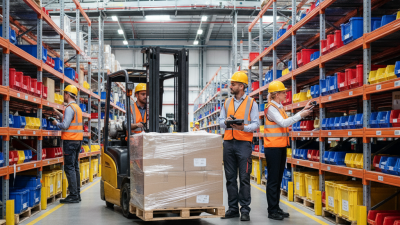
Safety starts with the actual workplace. Measure aisle width, floor strength, ramp gradients, ceiling height, and temperature conditions before ordering. A machine rated for 2,000 kilograms may perform poorly on uneven flooring or narrow turns. Operators also need guarding, emergency stops, warning alarms, seat restraints, and clear maintenance access. Training records should match local requirements, not only the supplier’s manual. Small details matter.

Compliance documents must be checked before shipment. Request the technical file, risk assessment, test reports, user instructions, serial-number records, and applicable conformity declarations. Importers should confirm customs classification, country-of-origin marking, electrical standards, emissions rules, and inspection duties. Requirements differ between markets, and a certificate accepted in one country may be insufficient elsewhere. Local authorities or qualified compliance professionals should verify the final package. A missing translation can delay clearance. A poor translation can create a safety hazard.

I have seen buyers focus heavily on purchase cost and overlook spare parts, battery transport, software access, and technician availability. That approach is understandable, but incomplete. No checklist catches everything. Review the machine with warehouse workers before shipping, because practical concerns often appear late.