Top 5 Metal Briquette Machine Models You Should Consider?
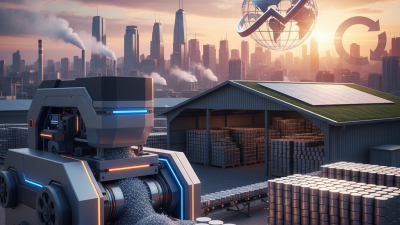
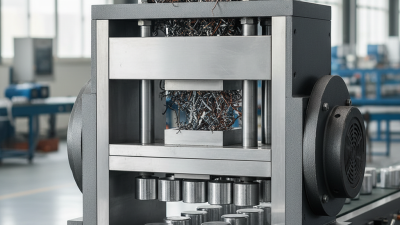
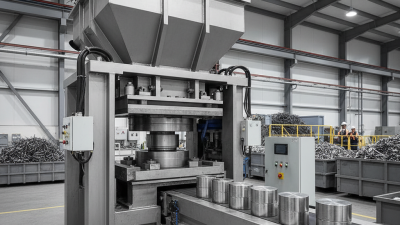
When it comes to metal recycling, the right equipment is crucial. The Metal Briquette Machine plays a vital role in this process. These machines convert metal shavings and scrap into compact briquettes. This not only saves space but also enhances the value of recyclable materials.
Selecting the right model can be overwhelming. Many options exist in the market today. Each model has its unique features and benefits. Knowing which Metal Briquette Machine suits your needs can save time and costs in the long run. It’s essential to consider efficiency, production rate, and durability when making a choice.
However, the abundance of choices can lead to confusion. Different industries sometimes require specific machines. Not every model is perfect for every application. It's vital to assess your operational needs thoroughly before deciding. Each briquette machine has its strengths and limitations. Understanding these nuances is key to making a successful investment in this technology.
Overview of Metal Briquette Machines and Their Applications
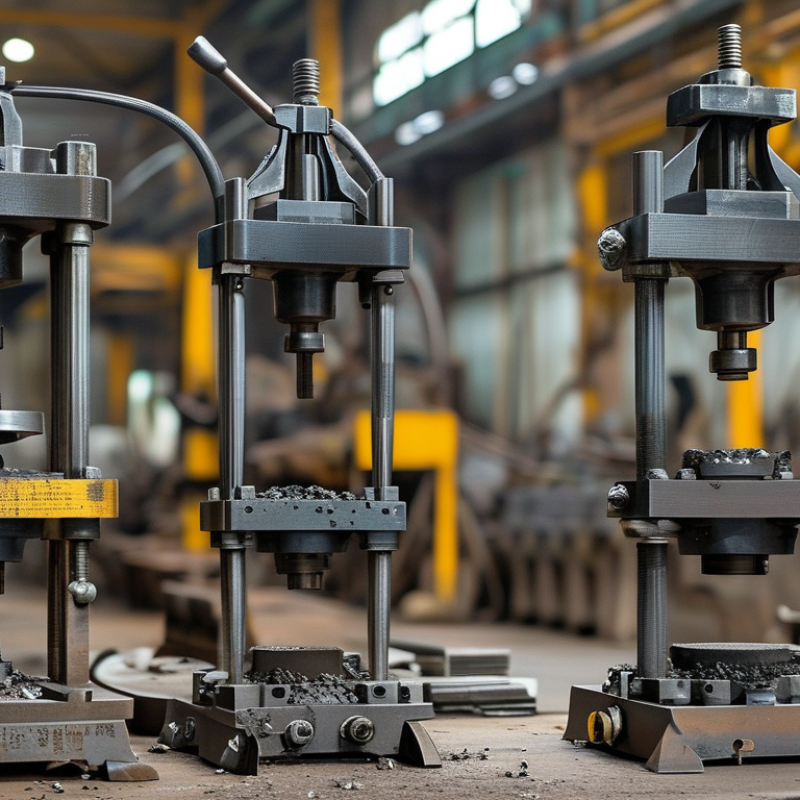
Metal briquette machines play a crucial role in the recycling industry. These machines compact metal scraps into dense briquettes. This process not only saves storage space but also improves transportation efficiency. According to industry data, companies can reduce waste disposal costs by up to 30% with efficient briquetting. Metal briquettes are valuable for smelting and can enhance feedstock quality for foundries.
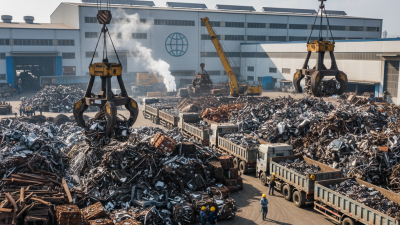
Applications for metal briquette machines are diverse. They are widely used in manufacturing and recycling facilities. Scrap metal from automotive parts or manufacturing processes can be transformed into reusable material. Reports highlight that manufacturers using briquette machines report a 50% increase in material recovery. This enhances the overall sustainability of operations.
Despite the advantages, choosing the right machine requires thorough research. Many factors influence performance, such as the type of metals processed. A one-size-fits-all approach does not work here. Operators often face challenges related to machine maintenance and longevity. Decisions must factor in operational costs and potential downtime. Effective training for staff on equipment handling can mitigate some issues.
Top 5 Metal Briquette Machine Models You Should Consider
| Model |
Briquette Diameter (mm) |
Capacity (kg/h) |
Motor Power (kW) |
Weight (kg) |
Applications |
| Model A |
70 |
600 |
15 |
800 |
Steel, Aluminum |
| Model B |
80 |
900 |
18 |
850 |
Copper, Brass |
| Model C |
75 |
700 |
20 |
900 |
Scrap Metal, Shavings |
| Model D |
60 |
500 |
12 |
750 |
Iron, Steel chips |
| Model E |
85 |
1000 |
22 |
950 |
Aluminum, Alloys |
Top Features to Look for in Metal Briquette Machines
When considering a metal briquette machine, there are several features that should not be overlooked. The efficiency of a machine directly impacts production rates, which can reach up to 90% in some models. High efficiency translates to reduced operational costs and maximized profits. Energy consumption is an essential metric as well. Some machines use as little as 5 kWh per ton of briquettes, showcasing their optimal design and engineering.
Durability and construction quality are crucial for longevity. Machines made with high-grade materials can outlast those with weaker components. The low-maintenance machines tend to reduce downtime, reflecting positively on operational efficiency. According to recent industry reports, machines with these attributes report lower failure rates, minimizing costly repairs and interruptions.
Automation features are increasingly vital. Advanced models offer smart controls and real-time monitoring. This technology allows operators to track performance and adjust parameters as needed. However, navigating this technology can be daunting for some operators, requiring additional training and support. Understanding the balance between automation and manual oversight is essential for a successful implementation.
Detailed Review of Model 1: Specifications and Benefits
When considering metal briquette machines, the specifications of each model play a crucial role.
Model 1 stands out for its robust construction. This machine is built to withstand heavy-duty operations.
It focuses on efficiency and durability, making it a favorite in various industries.
The power consumption of Model 1 is relatively low. Despite its strength, it maintains a compact size. This means it can fit into tighter spaces without sacrificing performance.
Users often report lower operational costs due to its energy-efficient design. The machine's hydraulic system ensures consistent briquette density, enhancing product quality.
Even with its many advantages, there are areas for improvement. Some users find the initial setup challenging.
Providing detailed guidance during installation could enhance the user experience. Regular maintenance is essential to keep it running smoothly.
Observing these factors can help prospective buyers make informed decisions.
Detailed Review of Model 2: Specifications and Benefits
When considering metal briquette machines, Model 2 stands out for its robust specifications. Its compact design allows for easy integration into existing production lines. The machine operates efficiently, compressing metal shavings into uniform briquettes. These briquettes are not only easier to handle but also save on storage space.
Model 2 features a user-friendly interface, making operation simple. Maintenance is straightforward, which reduces downtime. However, some users may find the initial setup challenging. It's essential to ensure proper calibration for optimal performance. The energy efficiency of this model is notable, potentially lowering your operational costs over time.
Investing in Model 2 can enhance recycling processes. The briquettes created are suitable for various applications, from remelting to resale. Despite its advantages, potential buyers should consider the specific needs of their operation. Each facility has unique challenges, and a one-size-fits-all solution may not apply. Thus, careful evaluation of Model 2 against your requirements is crucial.
Comparative Analysis of the Top 5 Models: Performance and Cost
When considering metal briquette machines, analyzing performance and cost is crucial. Various models offer different efficiencies and features. For instance, some machines specialize in high-density briquettes, while others focus on maximizing output. The choice of material also plays a significant role. Some machines perform better with aluminum, while others are designed for steel.
Cost comparison reveals that prices vary widely. Entry-level models may seem appealing due to lower costs. However, they often lack durability and may incur additional maintenance expenses. Advanced models, while more expensive, frequently offer better long-term value through efficiency and lower operational costs. Operating costs should include energy consumption and wear-and-tear factors.
It's important to note that performance metrics often depend on specific use cases. A model that excels in one industry may not be suitable for another. Detailed specifications are essential for making informed decisions. Regularly reviewing feedback from users can also highlight potential issues. This comparative analysis is essential for selecting a machine that meets both performance needs and budget constraints effectively.