Top 10 Recycling Center Machines for Efficient Waste Management?
In the era of heightened environmental awareness, efficient waste management is crucial. Recycling Center Machines play a pivotal role in this process. These machines are designed to streamline recycling operations and improve resource recovery. Their significance cannot be overstated, as they help reduce landfill waste and promote sustainability.
Choosing the right Recycling Center Machine can be daunting. With various options available, understanding their functions is key. Some machines excel at sorting, while others focus on shredding or compacting materials. Each type has its unique advantages and limitations. This diversity challenges operators to identify the best fit for their specific needs.
Reflecting on the role of technology in recycling reveals both progress and setbacks. While modern machines enhance efficiency, they also require significant investment. Community facilities may struggle to afford cutting-edge options. Thus, a careful balance between advanced technology and budget constraints is essential for effective waste management.
Types of Recycling Center Machines for Effective Waste Processing
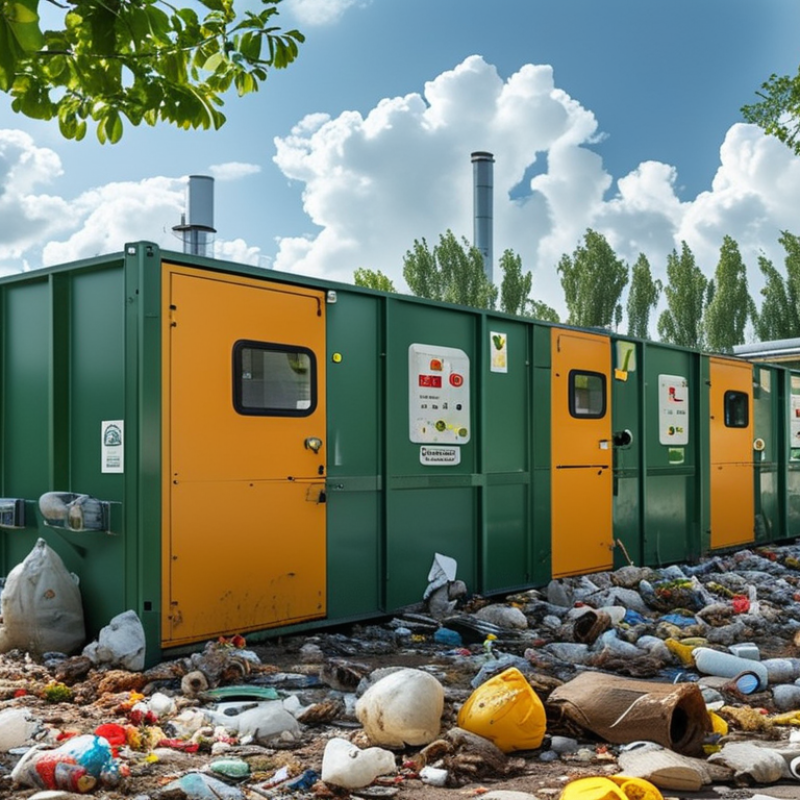
Recycling centers play a crucial role in waste management. Various machines are vital for sorting and processing waste effectively. Understanding these machines can enhance recycling efficiency and minimize environmental impact.
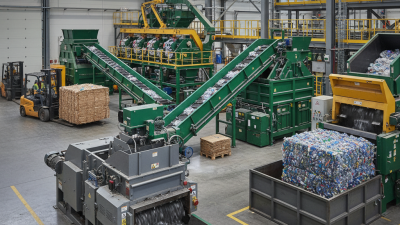
One essential type of machine is the conveyor system. It transports materials smoothly along the processing line. A well-designed conveyor can reduce manual handling, but it requires regular maintenance. Improper upkeep could lead to malfunctions, slowing down operations. Additionally, sorting machines utilize advanced technology to separate recyclables from waste. They use sensors and air jets for precise sorting. However, these machines can be costly to install and maintain.
Another significant category includes balers. These compress recyclable materials into compact bales, making storage easier. Balers can save space, but operators must ensure proper training to avoid accidents. The machine's efficiency depends on correct usage and routine checks. Each machine contributes to a comprehensive recycling strategy, yet they come with challenges that necessitate ongoing attention and improvement.
Key Features to Consider in Recycling Center Equipment
When selecting recycling center equipment, several key features should be considered. Efficiency is paramount; machines must process materials quickly and accurately. Data from the International Solid Waste Association shows that efficient machines can enhance recycling rates by over 30%. Speed is essential, especially in high-demand centers. It's critical to analyze throughput rates and performance metrics before acquisition.
Durability is another vital factor. Recycling machines endure demanding environments. Proper material selection in their construction can lead to longer lifespans and lower maintenance costs. According to a report from the U.S. Environmental Protection Agency, durable equipment can reduce operational downtime by up to 15%. Ensuring materials withstand wear and tear has significant financial implications.
Safety features should not be overlooked. Equipment must protect operators and maintain compliance with regulations. Advanced safety mechanisms include emergency shutoff systems and operator safety guards. While these add initial costs, they can prevent costly accidents down the line. A comprehensive assessment of both the safety and efficiency of recycling machines is crucial, as improper equipment choices can lead to operational failures.
Top 5 Machines for Sorting and Separating Recyclables
In today’s waste management landscape, sorting and separating recyclables play a critical role. Advanced machines enhance efficiency and accuracy, reducing contamination in recycling streams. According to the Environmental Protection Agency (EPA), improper sorting leads to over 25% of recyclable materials ending up in landfills. This is a significant issue that recycling centers must address.
High-quality sorting machines utilize various methods, such as air classifiers and magnetic separators. These technologies help identify materials by density and magnetic properties. Optimizing these processes helps improve recycling rates. In fact, studies show that proper sorting can increase recovery rates by up to 15%. However, it’s vital for facilities to regularly assess their technologies to ensure optimal performance.
**Tip:** Regular maintenance of sorting machines can prevent breakdowns and improve efficiency. Additionally, training staff to properly use equipment can enhance overall operations. Continuous education on recycling innovations is essential. It’s important to reflect on current practices and consider areas for improvement. Implementing new strategies can lead to better waste management outcomes.
Top 10 Recycling Center Machines for Efficient Waste Management
| Machine Type |
Functionality |
Sorting Efficiency (%) |
Energy Consumption (kWh) |
Maintenance Cost (per year) |
| Magnetic Separator |
Separates ferrous metals from waste |
98 |
3 |
$500 |
| Air Classifier |
Sorts materials based on weight |
90 |
5 |
$800 |
| Optical Sorter |
Identifies and sorts materials using cameras |
95 |
10 |
$1200 |
| Ballistic Separator |
Separates materials based on shape |
92 |
7 |
$700 |
| Shredder |
Reduces size of materials for easier handling |
85 |
15 |
$1000 |
Innovative Technologies Enhancing Recycling Efficiency
Innovative technologies are transforming the recycling industry. Advanced sorting machines, such as optical sorters, are now crucial. These machines use cameras and artificial intelligence to identify materials. Reports indicate that they can improve sorting accuracy by up to 95%. This efficiency leads to higher quality recyclables and increased processing rates.
Moreover, baling machines have evolved significantly. Modern models are equipped with automation, allowing operators to compress large volumes of materials quickly. According to industry data, these machines can save operational costs by nearly 30%. Such savings empower recycling facilities to reinvest in advanced technology, yet some centers still rely on outdated systems.
Even with these innovations, challenges remain. Many recycling facilities struggle with contamination in collected materials. Proper training for staff is essential but often overlooked. Addressing these issues will be key to maximizing the benefits of new technologies in waste management. Balancing innovation with practical operations is vital for a sustainable future.
Cost-Benefit Analysis of Investing in Recycling Machinery
Investing in recycling machinery can yield significant cost benefits. Initially, the purchase may seem daunting. However, the long-term savings in labor and waste management costs can justify the investment. These machines improve the efficiency of sorting and processing recyclable materials. They can drastically reduce the time taken to handle waste, leading to faster throughput.
Consider the environmental impact as well. Advanced recycling machines can double the rate of material recovery. This not only reduces landfill use but also optimizes resource extraction. The demand for recycled materials is growing, offering businesses a chance to profit. However, the initial costs can deter some potential investors. It’s crucial to weigh these costs against potential returns in sustainability and revenue.
Despite the advantages, not every machine suits every facility. Different types of waste require specific processing capabilities. A careful assessment of waste streams is necessary. Misjudging the necessity of certain features could lead to wasted resources. Ultimately, the decision must reflect both immediate needs and long-term goals in waste management efficiency.