2026 Top Scrap Yard Machines for Effective Metal Recycling?
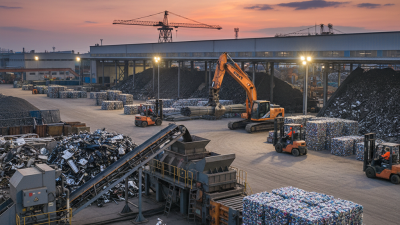
As the global demand for recycled materials rises, effective metal recycling practices have become essential. The scrap metal industry is projected to grow significantly, with the market estimated to reach over $600 billion by 2025 according to Industry Research. In this context, the role of the Scrap Yard Machine is crucial. These machines help streamline operations, enhance productivity, and reduce waste.
Advanced technologies in scrap yard machines lead to increased efficiency. For instance, automated systems can sort and process metals faster than manual labor. Reports indicate that automation can boost recycling rates by up to 30%. However, investing in the latest machines poses challenges, including high upfront costs and the need for skilled operators. These complexities can hinder small scrapyards from upgrading their equipment.
Overall, the effectiveness of metal recycling heavily relies on the capabilities of scrap yard machines. A balance must be found between embracing new technology and addressing operational limitations. Continuous assessment of both machine performance and workforce training is essential to maximize recycling efforts.
2026 Trends in Scrap Yard Machinery for Efficient Metal Recycling
In 2026, the trends in scrap yard machinery emphasize efficiency and sustainability. New technologies are transforming metal recycling processes. Automation and advanced sensors now streamline operations. This enhances sorting accuracy and reduces waste. The global metals recycling market is projected to grow by 5.5% annually, indicating a strong shift towards more effective practices.
Many scrap yards are now integrating AI and robotics. These tools perform tasks quickly and with precision. For instance, AI-driven sorting systems can distinguish between different metal types. This results in higher quality recycled materials. The estimated recovery increase is about 15% due to these innovations.
Tip: Regular training for employees on new machinery is essential. Their understanding of equipment ensures safety and efficiency. Additionally, monitor equipment performance. Identifying malfunctions early can prevent significant downtime. Keeping pace with technology is vital in this evolving industry.
Key Technologies Driving Metal Recycling in Scrap Yards
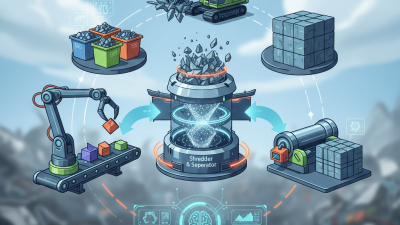
The evolution of metal recycling in scrap yards is driven by innovative technologies. Powerful shredders now efficiently break down large metal structures into manageable pieces. Magnetic separation systems are vital, swiftly pulling ferrous metals from the mix. These machines enhance processing speed and promote higher recycling rates.
Automation plays a crucial role in modern scrap yards. AI-driven sorting technologies classify metals with impressive accuracy. IoT devices monitor machinery performance, ensuring reduced downtime. However, the integration of such technologies poses challenges. Operators must adapt to rapid changes and maintain equipment regularly. Training employees on new systems is essential to maximize productivity and reduce errors.
While advancements are promising, they bring complexities. The reliance on technology raises concerns about data security and system failures. Scrap yards must invest in cybersecurity measures. Understanding the limitations and potential failures of these systems is crucial for maintaining efficiency. Embracing these technologies requires a balance between innovation and practicality.
2026 Top Scrap Yard Machines for Effective Metal Recycling
| Machine Type |
Key Features |
Efficiency Rating (%) |
Eco-Friendly Technology |
| Shredders |
High torque, low-speed operation |
90 |
Energy-efficient motor |
| Balers |
Automatic feed and compacting |
85 |
Low hydraulic consumption |
| Metal Detectors |
Advanced sensitivity and discrimination |
95 |
Minimal environmental impact |
| Granulators |
High throughput with noise reduction |
88 |
Recyclable materials used |
| Eddy Current Separators |
Non-ferrous metal recovery |
92 |
Low energy consumption |
Comparative Analysis of Scrap Yard Machines by Performance Metrics
The performance of scrap yard machines is crucial for effective metal recycling. Various metrics help evaluate their efficiency. Factors like processing speed, energy consumption, and maintenance needs stand out. It's essential to analyze how these machines perform under different conditions.
One effective tip is to monitor energy usage. Machines consume varying amounts of power depending on the load. During peak times, energy costs can skyrocket. Scheduling heavy operations during off-peak hours can reduce expenses. Operators should also be aware of the machine’s maintenance schedule. Timing maintenance can prevent unexpected breakdowns.
Another important metric is the machine’s throughput. This refers to the amount processed in a given time. Machines with higher throughput improve overall efficiency. However, some machines may excel in speed but struggle with material quality. It's imperative to balance speed with processing quality for optimal recycling outcomes. Regular assessments can highlight areas for improvement, ensuring that your operations remain effective in the long run.
Environmental Impact of Advanced Recycling Machinery in 2026
The environmental impact of advanced recycling machinery in 2026 is expected to be significant. The rise of electric and hybrid machinery in scrap yards can reduce carbon emissions by up to 30%. A recent report highlights that implementing energy-efficient technologies could lead to a 50% reduction in energy consumption per ton of processed metal.
Advanced shredders and balers are designed to maximize material recovery. Studies show that they can increase the recovery rate of metals from scrap to over 95%. This efficiency helps reduce landfill waste, which currently accounts for 40% of total metal scrap. In 2026, these machines may help divert millions of tons of waste from landfills, promoting a more circular economy.
However, not all advancements come without challenges. High-tech equipment requires significant upfront investments. Smaller scrap yards might struggle to adopt these technologies. There is also a need for skilled operators to manage these machines effectively. Without proper training, the potential benefits may not be realized fully. Balancing innovation with accessibility remains a critical consideration for the industry.
Cost-Benefit Analysis of Upgrading Scrap Yard Equipment for Efficiency
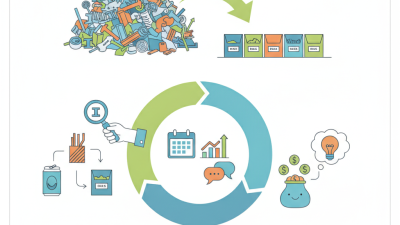
Upgrading scrap yard equipment can significantly impact efficiency and profitability. Analyzing costs versus benefits is vital for this decision. Advanced machines may require high initial investments, but they often lead to increased processing speeds. Faster processing can reduce labor costs and enhance overall productivity.
However, not every upgrade yields immediate returns. Some new technologies might not fit your specific operations. It's crucial to evaluate how new machines integrate with existing workflows. Training staff is another consideration. New equipment often requires skills that your current team may lack. The time and resources spent on training can influence your budget and timeline.
Additionally, the long-term maintenance of advanced machines should not be overlooked. They may demand more complex upkeep. A thorough understanding of these costs can prevent future financial strain. Therefore, it's important to weigh the initial excitement of new technology against the practicalities of operating it efficiently.
Cost-Benefit Analysis of Upgrading Scrap Yard Equipment for Efficiency