What Is a Scrapping Machine and How Does It Work?
A Scrapping Machine is industrial equipment designed to process discarded materials for recovery, size reduction, or easier handling. Depending on its design, it may cut, crush, shear, compact, or separate items such as metal, plastic, paper, and electronic components. The machine’s purpose is practical: reduce volume, improve sorting, and support more efficient recycling operations. Some models use rotating blades, while others rely on hydraulic pressure or conveyor systems. The working principle depends on the material, machine capacity, and final processing goal.
In a typical operation, workers load suitable material into a guarded feed area. Internal components then apply controlled force and move the processed output toward a collection point. Sensors, emergency stops, and protective enclosures help reduce operational risks. Correct settings matter. Excessive feed speed can cause jams, uneven output, or unnecessary wear. Moisture, mixed materials, and hidden metal pieces may also affect performance. These details are easy to overlook.
Reliable use requires training, routine inspection, and strict attention to the manufacturer’s instructions. Operators should examine blades, belts, guards, and electrical connections before use. Maintenance records can reveal problems before they become expensive failures. However, no machine performs perfectly in every workplace. Real conditions often differ from test environments. A careful assessment remains necessary.
This guide explains how a Scrapping Machine works, which components perform the main tasks, and what factors influence its efficiency. It also considers safe operation, maintenance needs, and common limitations. The goal is clear understanding, not exaggerated promises. Efficiency must support responsible material handling.
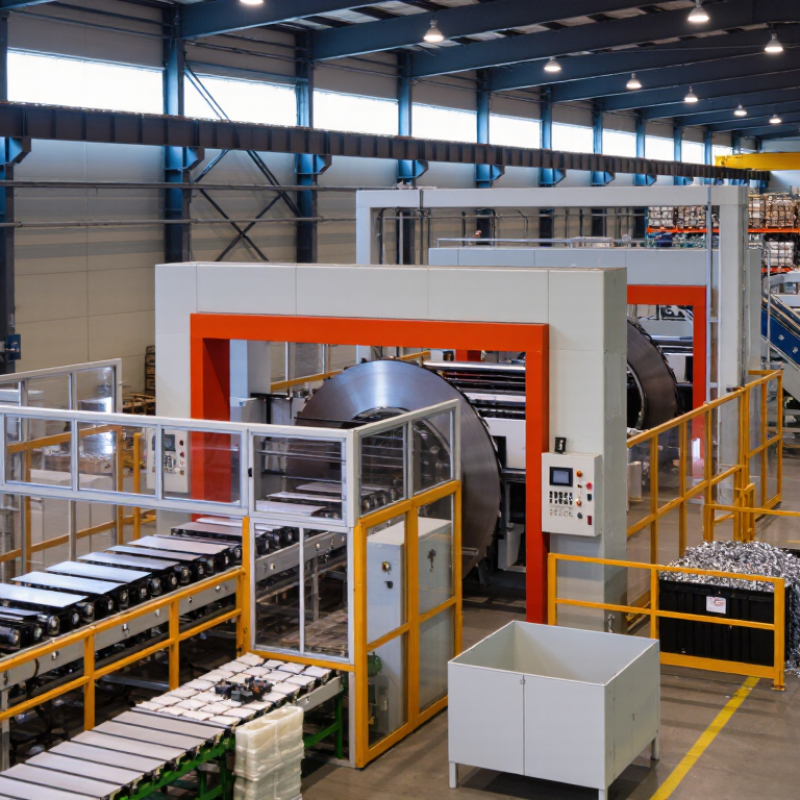
Definition and Core Purpose of a Scrapping Machine
What Is a Scrapping Machine and How Does It Work?
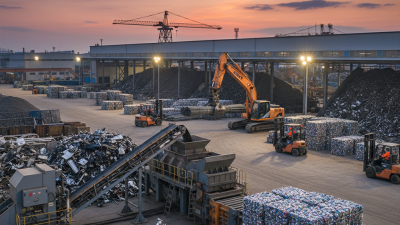
A scrapping machine is industrial equipment designed to process discarded materials for reuse or safer handling. Its core purpose is not simply to destroy waste. It reduces volume, separates useful materials, and prepares scrap for recycling or further processing. Depending on the design, the machine may cut, crush, shear, compact, or sort metal, plastic, cable, or other recoverable materials. A typical system includes a feeding area, processing chamber, discharge outlet, and safety controls. Material enters through the hopper, then rotating blades, rollers, or a press apply controlled force. Magnets or screening units may separate different material types afterward. Results depend heavily on material thickness, moisture, contamination, and machine settings.
In practical operations, correct preparation matters as much as machine power. Oversized pieces can cause jams, while wet materials may reduce sorting accuracy. Dust, noise, and sharp edges also require careful control. Operators should inspect guards, emergency stops, blades, and collection containers before each shift. Maintenance records provide useful evidence when performance changes. Still, no scrapping machine works perfectly in every situation. A stronger motor cannot solve poor feeding or unsuitable material. That limitation is often overlooked.
Tips: Keep loads consistent and never exceed the rated capacity. Remove dangerous foreign objects before processing. Watch for unusual vibration, heat, or noise. Stop the machine before clearing a blockage, and follow the documented maintenance procedure.
Main Components and Their Functions
A scrapping machine processes discarded metal, cables, plastic, or mixed materials into manageable pieces. In workshop practice, its performance depends on material type, moisture, thickness, and feeding speed. A machine may look simple, but each component controls a different stage of processing.
The main frame supports the entire structure and reduces vibration during operation. A hopper guides scrap into the feeding system without sudden material drops. Rollers or a conveyor regulate the flow toward the cutting or crushing chamber. Inside this chamber, rotating blades, hammers, or compression plates reduce the material size. The motor supplies mechanical power, while belts, gears, or hydraulic cylinders transfer that force. Screens control the final particle size. They can clog when wet material enters.
A discharge conveyor removes processed material from the machine. It may lead to sorting, storage, or another production stage. The control panel adjusts speed, pressure, and operating time. Sensors can detect overloads, open guards, or abnormal temperature changes. Protective covers limit access to moving parts, although they do not replace trained operation. Dust-control equipment is useful when dry scrap creates fine particles. From hands-on observation, uneven feeding causes more stoppages than many operators expect. Small errors matter. Regular inspection of blades, bearings, belts, and hydraulic lines improves reliability. Still, no machine works perfectly under every condition; actual results should be checked against the material and the manufacturer’s technical specifications.
How a Scrapping Machine Works Step by Step
What Is a Scrapping Machine and How Does It Work?
How a Scrapping Machine Works Step by Step
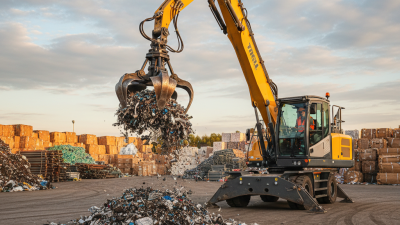
A scrapping machine processes discarded metal and other recyclable materials into manageable pieces. The cycle starts here. Operators inspect the incoming material for size, weight, moisture, and unwanted objects. They remove items that could damage the equipment. This inspection may seem simple, but it prevents many serious problems. Material is then sorted by type, thickness, and expected value. A careful operator also checks for loose wires, sealed containers, or trapped fluids.
The machine receives the prepared material through a guarded loading area. A conveyor or hydraulic feeder moves it toward the cutting or crushing chamber. Inside, rotating blades, rollers, or a compression plate break the material into smaller sections. The machine applies force gradually, reducing sudden stress on its frame and drive system. Magnets, screens, or air systems can separate ferrous metals, nonferrous pieces, and lightweight residue. Keep hands clear. Sensors monitor pressure, temperature, and movement during operation.
Processed material exits through a discharge opening and moves into bins or storage areas. Workers inspect the output for oversized pieces and unwanted contamination. If the pieces look uneven, the operator may adjust the feed speed or cutting gap. Real work is rarely perfectly linear. A faster setting is not always better. Excessive force can create heat, noise, and premature wear. From practical experience, regular cleaning and scheduled inspections often matter as much as machine power. One point deserves reflection: efficient processing depends on disciplined preparation, not only advanced machinery.
Safety Measures, Maintenance, and Efficiency Factors
What Is a Scrapping Machine and How Does It Work?
A scrapping machine processes discarded materials into smaller, denser, or more manageable pieces. Depending on its design, it may cut, crush, shear, or compress metal, plastic, or industrial waste. Material enters through a guarded feed opening. Rotating blades, rollers, or a hydraulic ram then apply controlled force. The processed output leaves through a chute or discharge area.
Safety Measures, Maintenance, and Efficiency Factors
Safety begins before operation. Only trained workers should use the machine. Keep guards closed, test the emergency stop, and wear eye, hearing, and hand protection. Loose clothing and jewelry create serious risks. Never reach into a blockage while the system has power. Isolate and lock the energy source first. A dry floor also reduces slipping near hydraulic equipment.
Maintenance should follow the operating manual and site inspection records. Check blades, belts, bolts, sensors, and hydraulic lines before each shift. Look for unusual vibration, heat, noise, or fluid leaks. Clean buildup around the feed area. Small defects become expensive failures. I have found that rushed inspections often miss simple problems, so inspection timing deserves honest review.
Tips: Feed materials evenly and remove unsuitable items. Overloading raises energy use and damages components. Sort materials before processing to improve output quality. Keep blades sharp, but replace them when wear affects performance. Record output weight, stoppage time, and energy use. These figures reveal whether higher speed actually improves efficiency.