How to Choose the Right Scrap Yard Equipment?
Choosing the right Scrap Yard Equipment starts with understanding what your yard handles each day. A site processing bulky appliances has different needs from one sorting mixed metals or preparing vehicles for recycling. Begin by mapping material flow: where loads arrive, where they are inspected, and how sorted materials leave. Note bottlenecks, such as a crowded tipping area or repeated forklift trips. Small details matter.
Then compare equipment by its job, capacity, and fit with existing operations. A baler, shredder, shear, conveyor, or material handler should match the types and volumes of material your team actually processes—not an optimistic forecast. Check feed openings, cycle times, power requirements, maintenance access, and the space needed for safe movement. Ask suppliers for operating data and service terms, and speak with operators who use similar machines. Their day-to-day feedback can reveal issues a product sheet misses.
Budget beyond the purchase price. Wear parts, scheduled servicing, downtime, and operator training all affect long-term value. A used machine may suit a smaller operation, but its maintenance history and parts availability deserve careful review. There is no perfect shortlist on paper. Conditions change, and early estimates can be wrong. Treat equipment selection as a practical assessment: verify the site constraints, involve experienced staff, and compare options against measurable needs. The right choice should support steady material flow without adding avoidable complexity.
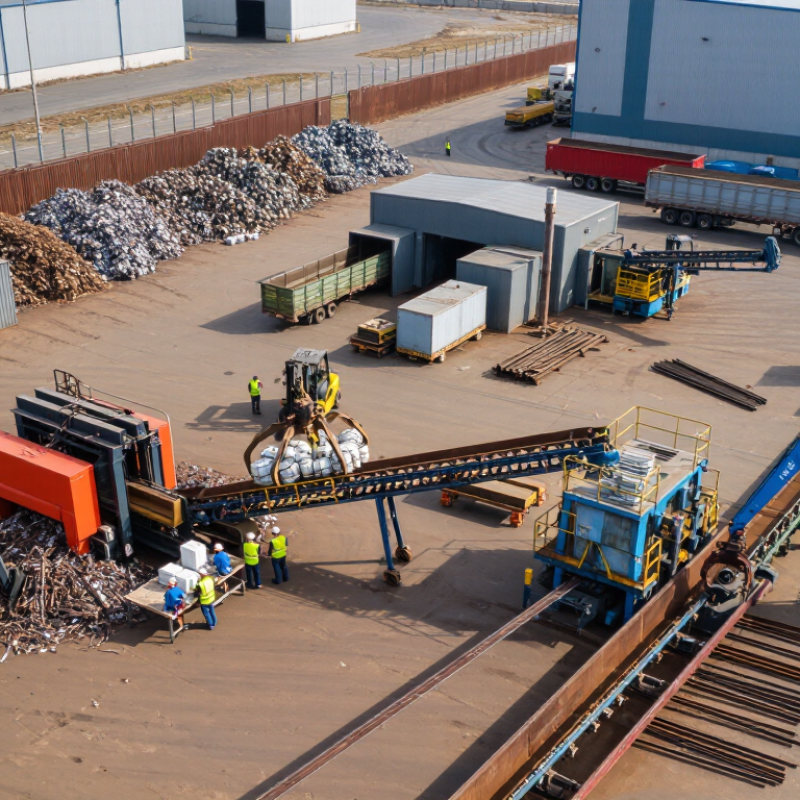
Assess the Scrap Yard’s Materials, Volume, and Operating Needs
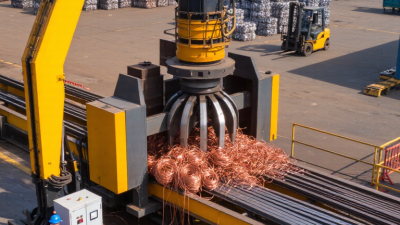
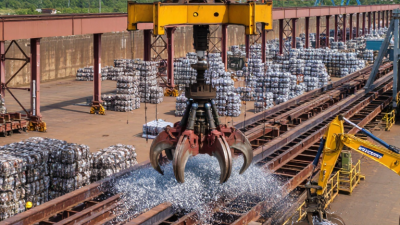
Choosing scrap yard equipment starts with the material mix, not the machine catalog. Separate ferrous steel, aluminum, copper, and bulky items by condition and handling needs. A grapple and magnet may suit mixed ferrous loads; a baler or shear may fit cleaner, repeatable streams. The U.S. Geological Survey’s Mineral Commodity Summaries 2024 estimated U.S. iron and steel scrap consumption at about 56 million metric tons in 2023. That national figure is not a yard-level target, but it shows why reliable feeding, sorting, and storage capacity matter.
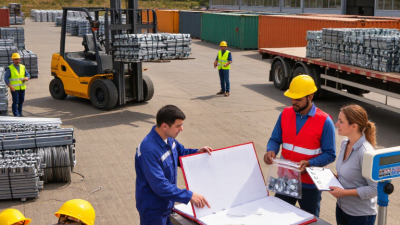
Measure average and peak daily tonnage using scale tickets, then note truck arrivals, sorting time, and outbound schedules. Match machine capacity to peak periods, not just the weekly average. Check turning space, floor strength, power supply, maintenance access, and operator visibility. A large machine can still create a bottleneck if trucks queue at the feed point. Site measurements are easy to underestimate.
Tip: Track one busy week before buying. Record material types, load sizes, downtime, and where piles accumulate. Compare those observations with equipment specifications and service requirements. Leave room for uncertainty; scrap quality and volume can change, and a tidy spreadsheet may miss a muddy access lane or awkward unloading angle.
Compare Equipment Types for Sorting, Processing, and Handling Scrap
Choosing scrap yard equipment starts with the material, not the machine.
A mixed stream of steel, aluminum, and plastics may need sorting before processing. A belt conveyor keeps material moving steadily, while a vibrating screen separates pieces by size. Screens are useful, but wet fines can clog them.
Magnetic separators pull ferrous metals from a moving stream with little manual contact. Eddy-current separators can help recover nonferrous metals, though clean, evenly spread material improves results. Optical sorting systems identify selected materials by color or surface properties. They can be precise, but dust and overlapping pieces may reduce accuracy.
Dust matters.
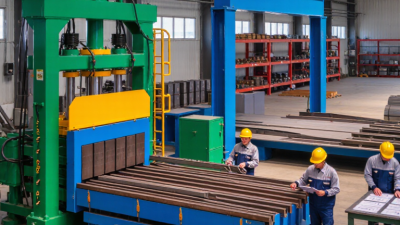
For processing, shears cut bulky metal into manageable lengths; balers compress loose material into dense bundles. A shredder handles varied feed, but it needs careful sizing and regular maintenance. The right choice depends on throughput, material condition, and available space.
Bigger is not always better.
Handling equipment has a different job.
Forklifts move bins and finished bundles, while loaders are better suited to large, irregular piles. Conveyors reduce repeated lifting between stations. Plan clear travel lanes and safe access for maintenance. A tidy equipment layout looks obvious on paper; in a busy yard, it can still be awkward.
Evaluate Capacity, Site Requirements, and Equipment Compatibility
A scrap yard’s rated throughput means little unless it matches the material arriving each hour. EPA’s 2018 Advancing Sustainable Materials Management report estimated that the United States generated 600 million tons of construction and demolition debris, with 455 million tons recovered. Those national totals are not a yard’s forecast, but they show why local material mix and seasonal peaks matter. Estimate daily tonnage, then check the bottleneck: receiving, sorting, shearing, baling, or loading. Measure the bottleneck. A machine that outruns the loading area may only create queues.
Site conditions narrow the choice. Measure gate width, turning space, overhead clearance, floor loading, and distance to stockpiles before comparing equipment. Check power supply, noise limits, dust control, and drainage with qualified site staff. Fit is not optional. Match machine openings and working tools to the actual feed: mixed light scrap, bulky sections, or dense nonferrous material behave differently. It is tempting to size every system around peak volume; that can leave costly idle capacity on ordinary days. Compare realistic shift throughput with the supplier’s stated rating, and ask what material and operating conditions produced it. I would revisit those assumptions after a trial, because feed quality changes, and paper estimates can be too neat.
Review Safety Features, Maintenance Needs, and Operating Costs
How to Choose the Right Scrap Yard Equipment?
Safety deserves a hands-on check, not just a glance at a specification sheet. Walk around the machine and look for secure guards, reachable emergency stops, clear sightlines, and safe access for cleaning. Test controls from the operator’s normal position. Are warning lights easy to see in bright daylight? Small details matter. A poorly placed step can become a daily hazard when boots are wet or dusty. Ask operators to describe common jams and maintenance tasks; their answers may reveal risks that a showroom visit misses.
Maintenance needs shape the working life of equipment. Check how often key parts need lubrication, whether filters and wear components are easy to reach, and how much downtime routine servicing requires. A machine that runs well but takes half a shift to inspect may not suit a busy yard. Read the service schedule, then compare it with your staffing and workload. Be cautious about assuming your team will always have spare time. That assumption often looks tidy on paper.
Operating costs extend beyond the purchase price. Include energy or fuel use, replacement parts, planned service, and lost production during repairs. Ask for realistic figures under conditions similar to yours, including your typical material mix and operating hours. A faster machine may consume more power, while a lower-cost option may need frequent attention. Neither trade-off is obvious from a quote alone. Track a short trial’s output, stoppages, and operator feedback before committing; the first week may expose details nobody thought to ask about.
How to Choose the Right Scrap Yard Equipment?
Review safety features, maintenance needs, and operating costs.
Suggested starting weights for comparing equipment: safety features (30%), operating costs (25%), material compatibility (20%), maintenance needs (15%), and throughput (10%). These are planning weights, not industry survey results; adjust them to match your site, materials, and operating priorities.
Select Equipment Based on Performance, Reliability, and Long-Term Value
How to Choose the Right Scrap Yard Equipment?
Match equipment to the material you handle and the pace of your yard. A shredder that struggles with bulky feed can create queues, while an oversized system may consume money and energy without improving throughput. The USGS Mineral Commodity Summaries 2024 estimates U.S. iron and steel scrap consumption at about 58 million metric tons in 2023. That scale makes dependable processing capacity important. Ask suppliers to demonstrate performance using material similar to yours, then check throughput, energy use, and product consistency.
Reliability shows up in ordinary details: accessible service points, sturdy wear components, and clear maintenance intervals. Ask how quickly common parts can be replaced and whether routine checks require long shutdowns. Compare lifetime costs, not just purchase prices. Include labor, power, maintenance, and expected downtime in your estimate. Real yard conditions are messy; a neat spreadsheet can still miss a stubborn bottleneck. Recheck your assumptions after a trial run.
Tips: Record actual tons processed per shift. Inspect wear parts weekly. Keep a simple log of stoppages and repair time. Choose equipment your crew can operate and maintain confidently.