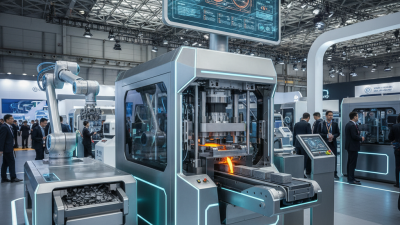
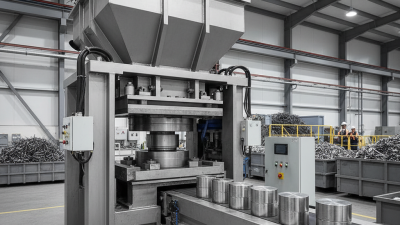
Why Choose Scrap Metal Machinery for Your Business?
Choosing Scrap Metal Machinery is not simply a matter of buying the largest machine available. It is a practical decision about material types, daily volume, labor, energy use, and workplace safety. A small yard processing copper wire needs different equipment than a demolition company handling heavy steel beams. The difference appears quickly. Poorly matched machinery can create bottlenecks, excessive maintenance, and expensive downtime.
David Biderman, a recognized recycling-industry leader, often emphasizes, “You can’t recycle what you don’t collect.” His point also applies to processing capacity. If your machinery cannot handle incoming scrap efficiently, valuable material may remain piled outside, exposed to weather and contamination. A reliable shear, baler, shredder, or granulator can improve sorting accuracy and produce denser, more marketable material. It can also reduce repetitive manual handling. That matters.
Real experience should guide the purchase. Inspect service records, blade wear, hydraulic systems, control panels, and emergency stops before signing an order. Ask how quickly replacement parts arrive. Ask who answers after installation.
Cheap equipment may look attractive. Sometimes it is the wrong economy.
Business owners should also consider noise, dust control, operator training, electricity consumption, and local environmental requirements. These details are not glamorous, but they shape long-term profitability. There is no universal best machine. The right Scrap Metal Machinery fits your material stream, site limits, workforce, and growth plans. Even careful buyers can misjudge future volume. A flexible machine may therefore be more valuable than the most powerful one.
What Is Scrap Metal Machinery and How Does It Work?
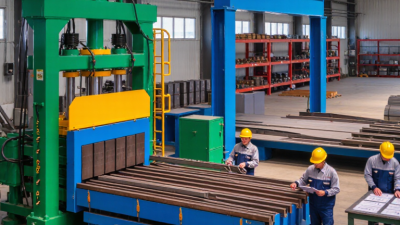
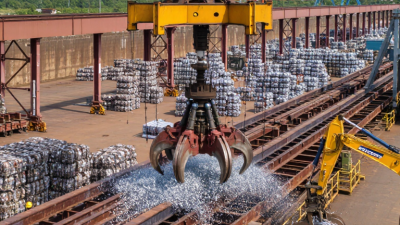
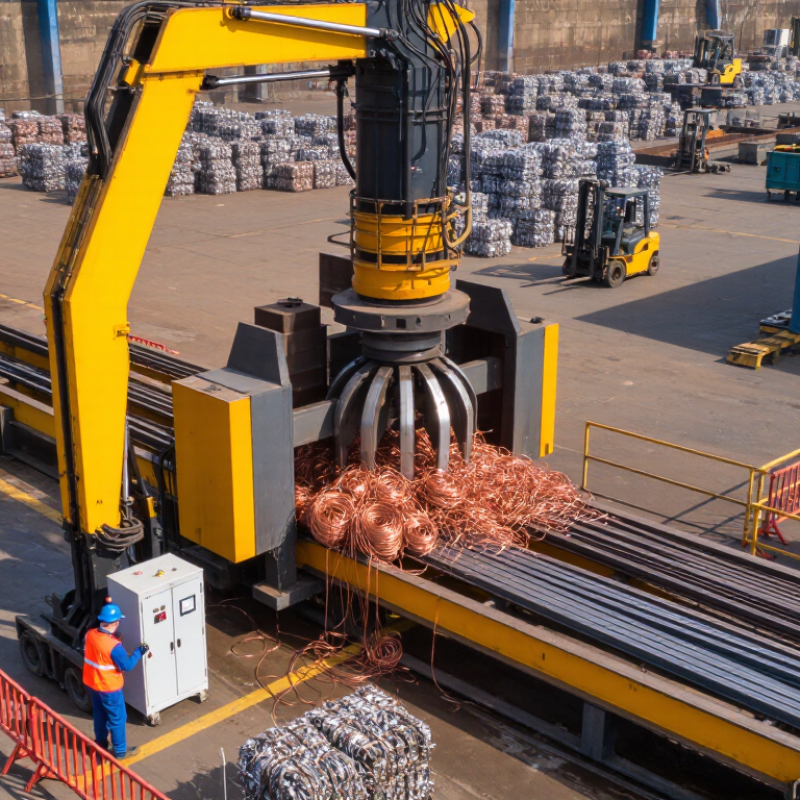
Scrap metal machinery includes shredders, balers, shears, magnets, and sorting conveyors. These machines prepare discarded metal for reuse in manufacturing. A shredder breaks large pieces into smaller fragments. A shear cuts thick sections into manageable lengths. A baler compresses loose metal into dense, stackable bundles. Magnets then separate steel from nonferrous materials such as aluminum and copper.
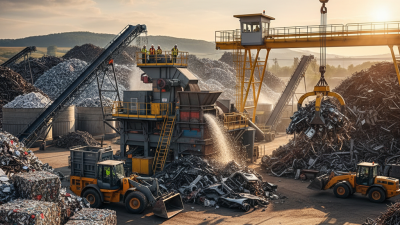
The process usually begins with weighing and visual inspection. Operators remove non-metal items and check for sealed containers or unsafe materials. A conveyor moves the remaining scrap toward the correct machine. Sensors and magnets support sorting, while trained staff monitor jams, noise, and unusual vibration. The machinery reduces manual handling and creates more consistent material sizes. That consistency can improve transport efficiency and help processors assess material quality more accurately.
The process is not flawless. Dust, mixed alloys, and damaged equipment can reduce sorting accuracy. Even experienced operators may miss hidden materials. Regular maintenance, guarded moving parts, clear operating procedures, and suitable protective equipment are essential. I have found that a slower inspection often prevents expensive stoppages later. Choosing machinery should depend on scrap type, daily volume, available space, and maintenance skills. A powerful machine is not always the best fit. Reliable output matters more than impressive capacity.
Why Choose Scrap Metal Machinery for Your Business?
Scrap metal machinery uses sorting, shearing, shredding, and baling processes to prepare recovered metals for reuse. Recycling metals can require substantially less energy than producing them from virgin ores.
Approximate energy savings compared with primary production: aluminum 95%, copper 85%, steel 74%, and lead 65%. Actual results vary by material grade, contamination, transport distance, and processing equipment.
Which Business Needs Benefit Most from Scrap Metal Machinery?
Scrap metal machinery suits businesses that process steady volumes of recoverable metal.
The strongest fit is often a scrapyard with limited space and rising labor costs.
Hydraulic shears can cut heavy steel into transportable sections.
Balers can compress loose cans, wire, and sheet metal into stable blocks.
At a busy yard, these machines reduce manual handling and improve loading consistency.
Automotive recyclers can benefit from dismantling equipment,
especially when processing engines, frames, and mixed vehicle parts. Demolition contractors may use portable or stationary shears after separating concrete, wood, and other materials. Metal manufacturers can install sorting and compacting systems to manage production offcuts. Municipal recovery facilities also gain value when incoming materials are varied and unpredictable.
Clear separation improves resale quality.
The right machine depends on metal type, daily volume, available power, and floor space.
I have found that small operators sometimes buy for future capacity and struggle with maintenance costs. That choice needs reflection. A modest baler may serve better than an oversized system with long idle periods. Operators need documented training, guarding, inspection routines, and compliance with local safety and environmental requirements. Contaminated or unknown materials should not enter equipment without proper assessment.
Reliable results come from matching machinery to actual workflow, not impressive specifications alone.
How Does Scrap Metal Machinery Improve Processing Efficiency?
Scrap metal machinery improves processing efficiency by reducing repeated handling, sorting delays, and inconsistent material preparation. In a busy yard, a shear can cut oversized steel into uniform pieces within seconds. A baler then compresses the material into dense, transportable bundles. Less lifting. Fewer interruptions.
The energy advantage is also significant. The Institute of Scrap Recycling Industries reports that recycling steel can save roughly 60–74% of the energy required for primary production. Aluminum recycling can save about 95% of production energy. Efficient machinery helps preserve these gains by limiting idle time, spillage, and unnecessary transport between processing stages. Magnetic separators, conveyors, and controlled feeders create a steadier material flow. According to the U.S. Geological Survey’s Mineral Commodity Summaries, recycled steel scrap remains a major metallic feedstock for global steel production.
Real yards are messier than spreadsheets suggest. Wet material can jam a conveyor. Mixed loads can reduce sorting accuracy. A poorly adjusted blade may increase power consumption instead of improving output. Operators should track tonnes per hour, downtime, electricity use, and rejected material before changing equipment settings. That evidence supports better decisions.
Automation can also improve workplace consistency. Sensors detect overloads, while enclosed systems reduce dust and flying fragments. However, machinery does not replace trained inspection. Experienced operators still identify hidden contamination, monitor wear, and adjust feed rates. The most reliable gains come from matching machine capacity with actual incoming volumes, not projected peak loads.
What Costs and Operational Factors Should Businesses Consider?
Why Choose Scrap Metal Machinery for Your Business?
Choosing scrap metal machinery requires more than comparing purchase prices. Businesses should calculate the total cost of ownership over several operating years. This includes delivery, installation, electrical upgrades, training, maintenance, and replacement parts. A low-priced machine may become expensive when downtime interrupts production. That happens more often than many buyers expect.
Capacity must match the material stream, not an optimistic sales forecast. A processor handling mixed steel, aluminum, and copper may need adjustable settings and separate sorting stages. Energy consumption also matters. Record monthly power use, motor ratings, and average operating hours before approving equipment. Labor costs deserve equal attention. Automation can reduce repetitive handling, but skilled operators still need to monitor feeding, jams, and output quality.
Maintenance planning protects both cash flow and workplace reliability. During equipment inspections, check access to wear parts, lubrication points, guarding, and emergency controls. Ask suppliers for service intervals and realistic repair times. In my experience, small delays often grow when a critical component is difficult to source. Build a spare-parts budget. Do not ignore noise, dust, vibration, or floor-space requirements. These details affect worker comfort and facility upgrades. A neat spreadsheet can still lie. Test assumptions with a short production trial, then compare actual throughput, energy use, and labor hours against estimates.