Choosing a reliable Recycling Center in 2026 takes more than finding the nearest drop-off site. The right facility should explain what it accepts, how materials must be prepared, and where those materials go afterward. Clear answers matter. So do practical details, like posted hours, accessible bins, and staff who can identify confusing packaging.
Architect and circular-economy thinker William McDonough captured a useful principle in the phrase, “Waste equals food.” For residents and businesses, that idea depends on real systems: collected materials must be sorted and processed for reuse. A dependable center should provide straightforward guidance on accepted materials, contamination, fees, and recordkeeping. Ask whether it can describe its downstream partners and provide current documentation where appropriate. Policies and certifications vary by location, so check local requirements rather than assuming one standard applies everywhere.
This guide’s outline will help readers compare facilities, review transparency, assess convenience, and ask better questions before choosing. Look for specific instructions, not broad promises. A short visit can reveal overflowing containers, unclear labels, or clean, well-organized sorting areas. Small details matter. A checklist helps, but it cannot replace looking closely at the actual site—and a polished website alone is not proof of responsible handling. Use the criteria that follow to make a careful choice, then revisit it if the facility’s service or reporting changes.
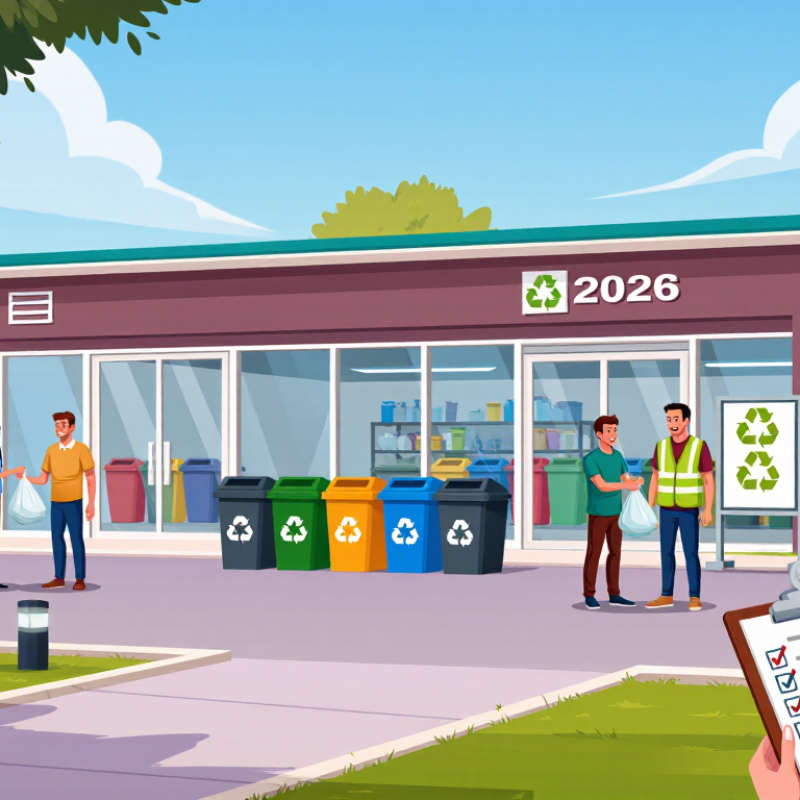
The 62-million-ton benchmark is more than a headline. The Global E-waste Monitor 2024, produced by UNITAR and the ITU, estimates that the world generated 62 million tonnes of electronic waste in 2022. Only 22.3% was documented as formally collected and recycled. The report projects annual e-waste could reach 82 million tonnes by 2030. That scale makes your own recycling needs worth defining before you choose a center.
Start with what you actually have: a box of cables, a dead laptop, or several bulky appliances. Ask which items the facility accepts, whether it weighs your drop-off, and whether it provides a receipt. For business equipment, ask how it tracks materials and handles stored data.
Clear answers matter. So does a written process. A tidy entrance is reassuring, but it is not proof of responsible handling. One detail is easy to miss: a center may accept an item without processing every part on site.
Ask where materials go next and whether that route is documented. Compare the answers with your needs, not just the nearest location. I would not assume every facility explains this well; vague replies should prompt another question.
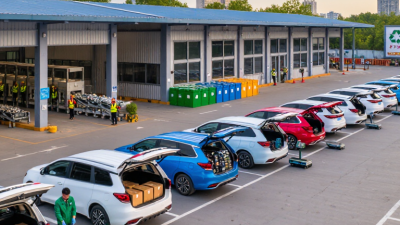
How to Choose a Reliable Recycling Center in 2026?
A reliable recycling center should be able to show current permits for its site and the materials it accepts. Ask which agency issued them, when they expire, and whether recent inspections found problems. The Global E-waste Monitor 2024, published by UNITAR and the International Telecommunication Union, reports that 62 million tonnes of electronic waste were generated worldwide in 2022. Only 22.3% was documented as formally collected and recycled in an environmentally sound way. That gap matters.
Check for independently audited environmental and recycling certifications, then confirm their scope and expiry date with the issuing organization. A certificate may cover one facility or process, not every item the center receives. Ask where devices go next and whether the center can provide downstream tracking records. Look beyond logos. A certificate is useful, but it cannot prove perfect handling; paperwork deserves a closer look when answers feel vague.
Tips: Call before visiting and ask for permit numbers, audit dates, accepted materials, and proof of downstream processing. Notice practical details: labeled storage areas, covered containers, and staff who can explain the process plainly. Keep your questions brief. If records are unavailable, compare another facility before handing over equipment.
Verify facility permits and certifications—and consider the global e-waste recycling benchmark.
The share of global e-waste documented as formally collected and recycled rose from 17.4% in 2019 to 22.3% in 2022. When evaluating a recycling center, check that its permits and relevant certifications are current; this global figure is a benchmark, not a rating of any individual facility.
Source: UNITAR and ITU, The Global E-waste Monitor 2024.
The OECD estimated that only about 9% of global plastic waste was ultimately recycled, using data from 2019. Treat that figure as a warning, not a current local score. A recycling center’s accepted-materials list can show whether it handles useful streams or only a narrow slice of household waste.
A strong center explains where accepted materials go and what happens when loads are rejected. Ask for recent figures by material, not just a broad claim about recycling. Weigh those answers against the OECD benchmark, while remembering that collection systems differ by region. A short visit can help: check whether bins are clearly labeled and whether staff can explain common mistakes. I would not treat a long acceptance list as proof of effective recycling. Ask for evidence. Even a careful facility may have limited markets for certain plastics, and that deserves an honest answer.
A reliable recycling center should make its pricing easy to audit. Request an itemized quote before sending any material. It should show weighing methods, processing fees, transport costs, deductions, and payment timing. Ask whether the quoted rate changes with contamination or market conditions. Vague pricing creates avoidable disputes.
Keep the chain of custody visible. Each load should have a weight ticket, container number, collection date, and receiving record. Transfer signatures matter. So do destination details. A short site visit can reveal whether labeled containers match the paperwork. I once trusted a polished spreadsheet too quickly. The actual scale records were incomplete. That mistake changed my review process.
Documented recovery data deserves equal attention. Ask for monthly figures showing material received, recovered, rejected, and sent for further processing. Clarify whether weights are measured before or after contamination removal. Request the calculation method and supporting records. Independent verification adds confidence, but it is not automatic proof. Check sampling dates and reviewer qualifications. Good data should answer practical questions without excessive interpretation. Still, even strong reports may contain delayed entries or small measurement errors. The center should explain corrections openly and preserve earlier records. Reliable operators accept careful questions. They do not hide behind technical language.
How to Choose a Reliable Recycling Center in 2026?
Choosing a recycling center in 2026 means checking what happens after materials leave the scale. Ask staff to explain the end markets for paper, metals, glass, and plastics, and request recent processing or shipment records. Specific answers matter. “We recycle everything” is not enough. A reliable center should explain how it handles contamination and what happens when a load fails inspection. Small details can reveal more than polished signs.
Look for written safety procedures, maintained equipment, and clear pedestrian routes. Notice the basics. If site visits are permitted, observe loading areas, not just the entrance. Ask how incidents are recorded and how often equipment is checked. Capacity matters too: seasonal volumes and changing buyer demand can cause delays. Ask about current throughput, storage limits, backup outlets, and pickup windows. Answers should be dated and measurable.
Request service terms that explain reporting, rejected loads, and communication when schedules change. Verify that reports include weights, material grades, rejects, and destinations—not just total tonnage. Keep copies. If claims remain vague, compare another facility or request a small trial load. Even careful checks have limits: buyers change, and yesterday’s outlet may not remain available. That uncertainty deserves an honest conversation, and the center’s data should be reviewed again during the year.
| Selection dimension | What to verify | Reliable evidence | Warning signs |
|---|---|---|---|
| End-market transparency | Ask where each accepted material goes after sorting and what processing it receives. | Written descriptions of downstream processors, material destinations, and how rejected or contaminated loads are handled. | Broad claims such as “everything is recycled” without material-specific destinations or an explanation of residual waste. |
| Accepted materials and preparation | Confirm accepted material types, grades, sizes, contamination limits, and delivery requirements. | A current written acceptance list and clear instructions for sorting, packaging, and drop-off or collection. | Unclear rules or assurances that materials are accepted without checking their condition or composition. |
| 2026 capacity and service continuity | Check whether the center has capacity for your expected material volume and schedule in 2026. | Current operating hours, collection or delivery limits, booking availability, and written confirmation of the volume and service period they can handle. | Capacity claims without a defined volume or timeframe, repeated service interruptions, or no alternative plan for full or unavailable facilities. |
| Safety and site controls | Review relevant worker-safety procedures, traffic controls, equipment safeguards, and handling rules for hazardous or restricted materials. | Documented safety procedures, staff training information, appropriate signage, and compliance with applicable local workplace and environmental requirements. | Unsafe vehicle and pedestrian routes, unguarded equipment, poor housekeeping, or no clear process for spills and restricted materials. |
| Permits and regulatory status | Determine which permits or approvals apply to the facility and the materials it handles in its jurisdiction. | Relevant current permits or approval details that can be checked with the issuing authority, where public records are available. | Refusal to identify applicable requirements or claims that one permit covers every material and activity. |
| Pricing and contract terms | Clarify service fees, material-value adjustments, transport charges, contamination fees, and termination terms. | A written quote or contract stating how charges are calculated and when rates or acceptance conditions may change. | Unexplained surcharges, vague pricing formulas, or verbal promises that are absent from the written terms. |
| Records and reporting | Ask what records are provided for incoming loads, weights, material categories, and rejected loads. | Consistent receipts, weight tickets where weighing is provided, and periodic reports that distinguish accepted materials from residues or rejects. | Totals with no stated measurement basis or reports that do not explain how rejected material is counted. |
| Contamination and rejected loads | Check how contamination is identified, communicated, charged for, and managed. | A documented inspection and notification process, along with clear options for re-sorting, return, or disposal where applicable. | No defined contamination policy or undisclosed decisions about loads after delivery. |