Leave Your Message

Why Is a Material Handler Important in Supply Chains?

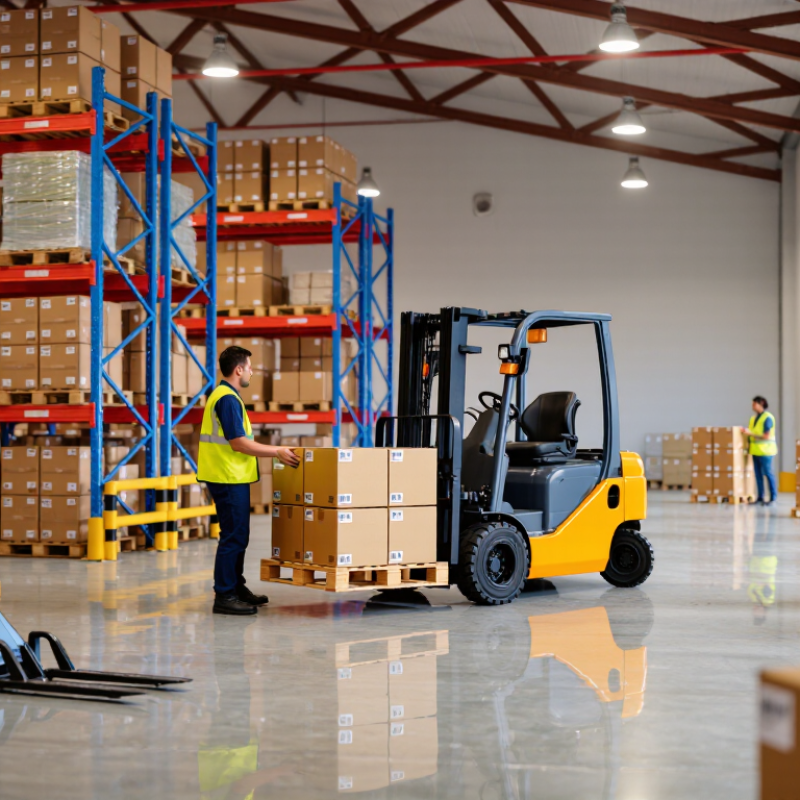
A modern supply chain depends on more than trucks, software, and warehouse space. It depends on people who keep physical goods moving safely and accurately. The Material Handler receives cartons, checks labels, operates equipment, and places products where workers can find them. One misplaced pallet can delay production, create inventory errors, or leave a customer waiting.

Dr. James A. Tompkins, a recognized warehouse and logistics expert, once emphasized, “The warehouse is the heart of the supply chain.” This idea explains why the Material Handler matters. Every scan, lift, transfer, and inspection affects that operational heartbeat. Their work connects purchasing, production, storage, and delivery in a visible, practical way.

The role is demanding. A handler may guide a forklift through narrow aisles, protect fragile components, and update digital records during the same shift. Small decisions matter. However, technology does not remove human responsibility. It can reduce mistakes, but it cannot replace judgment in an unstable stack or crowded loading area.

There is room for improvement.

Some operations still measure speed more heavily than accuracy, safety, or worker fatigue. That approach can appear efficient, yet it may create hidden costs later. Experienced Material Handlers often notice these weaknesses first because they see damaged packaging, repeated travel, and unclear instructions directly. Understanding their contribution gives supply chain leaders a more realistic view of productivity, reliability, and continuous improvement.
Why Is a Material Handler Important in Supply Chains?

What Is a Material Handler in a Supply Chain?

A material handler moves, checks, and protects goods inside a supply chain. Their work begins at receiving docks and continues through storage, picking, staging, and shipping. They may scan a pallet, inspect damaged cartons, or position inventory beside a production line. Small errors can create stockouts, delays, or unsafe aisles. The U.S. Bureau of Labor Statistics projects 4% employment growth for hand laborers and material movers from 2023 to 2033. That demand reflects a basic truth: physical flow still needs skilled human control.

Material handlers also provide operational knowledge that software cannot fully replace. They notice a leaning pallet, a blocked emergency route, or repeated damage near one conveyor. The 2024 MHI Annual Industry Report identifies workforce shortages as a continuing supply-chain concern, with 55% of respondents reporting difficulty finding qualified workers. Training therefore matters. Workers need safe lifting habits, equipment awareness, accurate scanning, and clear communication. Technology helps, but it can also create overconfidence. A rushed scan is still a bad scan.

Tips: Define each handling step clearly. Use location labels and visible weight limits. Check damaged goods before movement. Record recurring delays, not just major incidents. Review near misses with the team. Even experienced handlers miss patterns sometimes. That is worth discussing.
Core Responsibilities of a Material Handler

A material handler keeps products moving safely through a supply chain. On a typical shift, I receive cartons, inspect packaging, and confirm delivery documents. I compare labels, quantities, and condition before placing items in storage. Small errors matter. A misplaced pallet can delay production or create unnecessary searching. When damage appears, I record it with clear notes and photos. This evidence supports accurate inventory records and faster decisions.

Core responsibilities include unloading, counting, labeling, storing, and preparing materials for production or dispatch. I use scanners and location codes to update stock movements promptly. Storage decisions require judgment. Heavy goods belong on stable racks, while frequently used items should remain accessible. I also prepare accurate handoff notes between shifts. Sometimes, the system quantity disagrees with the shelf count. I stop and investigate rather than quietly changing the number.

The role also involves equipment checks, housekeeping, and communication. Before moving a load, I inspect forks, wheels, wrapping, and floor conditions. Training matters, but routine can create overconfidence. That is where mistakes begin. I have learned to slow down near blind corners and confirm urgent requests in writing. A material handler must balance speed with traceability. The work is physical, yet reliable information often prevents the largest delays.

Why Is a Material Handler Important in Supply Chains? - Core Responsibilities of a Material Handler

Core Responsibility Typical Activities Supply Chain Importance Relevant Performance Measure Required Control or Practice
Receiving Materials Unload deliveries, compare items with receiving documents, inspect visible damage, and record quantities. Creates an accurate starting point for inventory records and helps prevent shortages, overages, and receiving errors. Receiving accuracy; dock-to-stock time; damage rate. Document verification, inspection procedures, and prompt exception reporting.
Put-Away and Storage Move materials to assigned locations, scan storage locations, and follow storage requirements. Improves space utilization, product accessibility, and inventory location accuracy. Put-away accuracy; location accuracy; storage utilization. Warehouse location controls, barcode scanning, and safe stacking limits.
Internal Material Movement Transport components, finished goods, packaging, and tools between receiving, storage, production, and shipping areas. Keeps materials available where they are needed and reduces production interruptions. On-time material delivery; material movement cycle time; line stoppages caused by shortages. Defined routes, load limits, traffic rules, and equipment inspections.
Order Picking and Kitting Pick required items, verify part numbers and quantities, and assemble kits for work orders. Supports production continuity and helps prevent incorrect components from reaching the next process. Pick accuracy; kit completeness; order cycle time. Pick lists, barcode verification, standardized labeling, and second checks for critical items.
Inventory Control Perform cycle counts, investigate discrepancies, update records, and identify damaged or obsolete stock. Provides reliable inventory information for purchasing, production planning, and customer fulfillment. Inventory record accuracy; count variance; stockout frequency. Cycle-count schedules, traceable adjustments, and segregation of damaged stock.
Shipping and Dispatch Support Stage shipments, verify quantities and labels, protect loads, and move completed orders to the dispatch area. Helps ensure that complete and correctly identified orders leave the facility on schedule. On-time shipment rate; dispatch accuracy; loading damage rate. Shipping checklists, packaging standards, load securing, and document reconciliation.
Material Identification and Traceability Apply or verify labels, lot numbers, serial numbers, dates, and status codes where required. Enables accurate tracking, stock rotation, quality investigations, and controlled product recalls. Traceability completeness; labeling accuracy; scan compliance. Standard label formats, system scans, and first-in-first-out or first-expired-first-out rotation when applicable.
Equipment Operation and Safety Operate approved handling equipment, use personal protective equipment, and report hazards or incidents. Protects employees, materials, facilities, and the continuity of warehouse operations. Safety incidents; near-miss reports; equipment inspection completion. Operator training, pre-use inspections, pedestrian controls, and safe lifting practices.
Communication and Exception Handling Report shortages, damaged goods, incorrect items, blocked locations, and urgent material requirements. Allows supervisors and planners to respond quickly before small issues become production or delivery disruptions. Issue response time; unresolved exceptions; escalation accuracy. Clear escalation procedures, accurate system notes, and timely communication with relevant teams.

Key takeaway: Material handlers connect receiving, storage, production, inventory control, and shipping. Their accuracy, speed, and safe work practices directly influence material availability, operational efficiency, inventory reliability, and customer service.

How Material Handlers Support Warehouse and Production Operations

Why Is a Material Handler Important in Supply Chains?

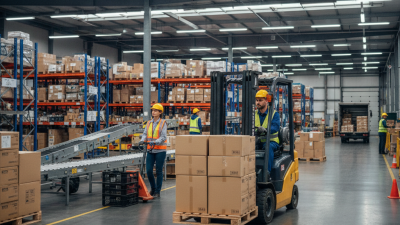
Material handlers connect receiving docks, storage areas, production lines, and shipping stations. They unload cartons, inspect labels, move components, and keep workstations supplied. Their timing directly affects production continuity. A missing fastener can stop an entire assembly cell.

The 2024 MHI Annual Industry Report identified labor shortages as a major supply chain challenge for many organizations. Skilled material handlers help reduce this pressure through accurate scanning, organized staging, and safe equipment use. The U.S. Bureau of Labor Statistics also reports millions of jobs in material moving occupations, showing the role’s scale. However, speed alone is not performance. A rushed pallet placement may create congestion, damage, or a serious injury. A perfect warehouse flow is unrealistic.

Tips: Use clear floor markings and location codes. Keep high-use parts near production points. Record every movement immediately. Review near misses, not only completed orders. OSHA guidance emphasizes training, ergonomic controls, and safer material-handling practices. Supervisors should watch real work, because written procedures can miss awkward reaches, blocked aisles, and unstable loads. Small observations often reveal larger process weaknesses.

The Role of Material Handlers in Safety and Inventory Accuracy

Material handlers keep products moving, but their influence reaches far beyond transport. They position pallets, verify labels, and protect safe traffic routes. OSHA estimates that forklift incidents cause about 85 fatalities and 34,900 serious injuries each year. That figure makes daily discipline essential. A trained handler checks load stability, keeps forks low, and pauses when visibility disappears. Small choices prevent serious events.

Inventory accuracy depends on the same attention. A misplaced carton can create an empty shelf, a rushed replenishment, or an unnecessary purchase. A Management Science study by DeHoratius and Raman examined retail inventory records and found inaccuracies in 65% of them. The average error represented 35% of the recorded quantity.

65%
A Management Science study by DeHoratius and Raman examined retail inventory records and found inaccuracies in 65% of them.

Material handlers reduce this gap by scanning every movement, confirming locations, and reporting damaged stock immediately. A scan matters.

Still, technology cannot repair careless habits. A barcode may be correct while the pallet sits in the wrong slot. Practical teams use cycle counts, exception logs, and second-person checks for high-value items. They also review near misses without blaming workers too quickly. That part is difficult.

Speed targets can quietly encourage shortcuts, especially during peak periods. I have seen accuracy treated as an office metric, although handlers create much of it on the warehouse floor. The process may look efficient and remain fragile.

How Material Handlers Improve Supply Chain Efficiency

Material handlers improve supply chain efficiency through accurate, timely movement of goods. They receive shipments, inspect packaging, record quantities, and place items in suitable storage locations. Their work connects suppliers, warehouses, production areas, and customers.

Small delays spread quickly. A misplaced carton can interrupt production hours later. Experienced handlers check labels, confirm product conditions, and follow clear travel routes. They also keep frequently used materials near workstations. This reduces unnecessary walking, equipment use, and handling time. In busy facilities, simple changes matter. Moving one pallet closer can save several trips each shift.

Material handlers also support inventory accuracy. They scan items when systems are available, but they should not trust every record blindly. Regular cycle counts can reveal damaged stock, incorrect locations, or missing quantities. Useful performance measures include picking accuracy, dock-to-stock time, and production stoppages. These figures help supervisors identify practical problems.

Safety remains part of efficiency. A rushed lift may cause damage, injury, or a longer delay. Trained handlers inspect equipment, secure loads, and communicate before moving through shared spaces. Not every process works perfectly. A route that looks efficient on paper may create congestion during peak hours. Teams need to review real movement patterns and adjust procedures when evidence shows a better option. Clear training helps, but daily attention still matters.