

Efficient Vibration Reduction, Flexibly Handling Multi-Scenario Crushing Tasks
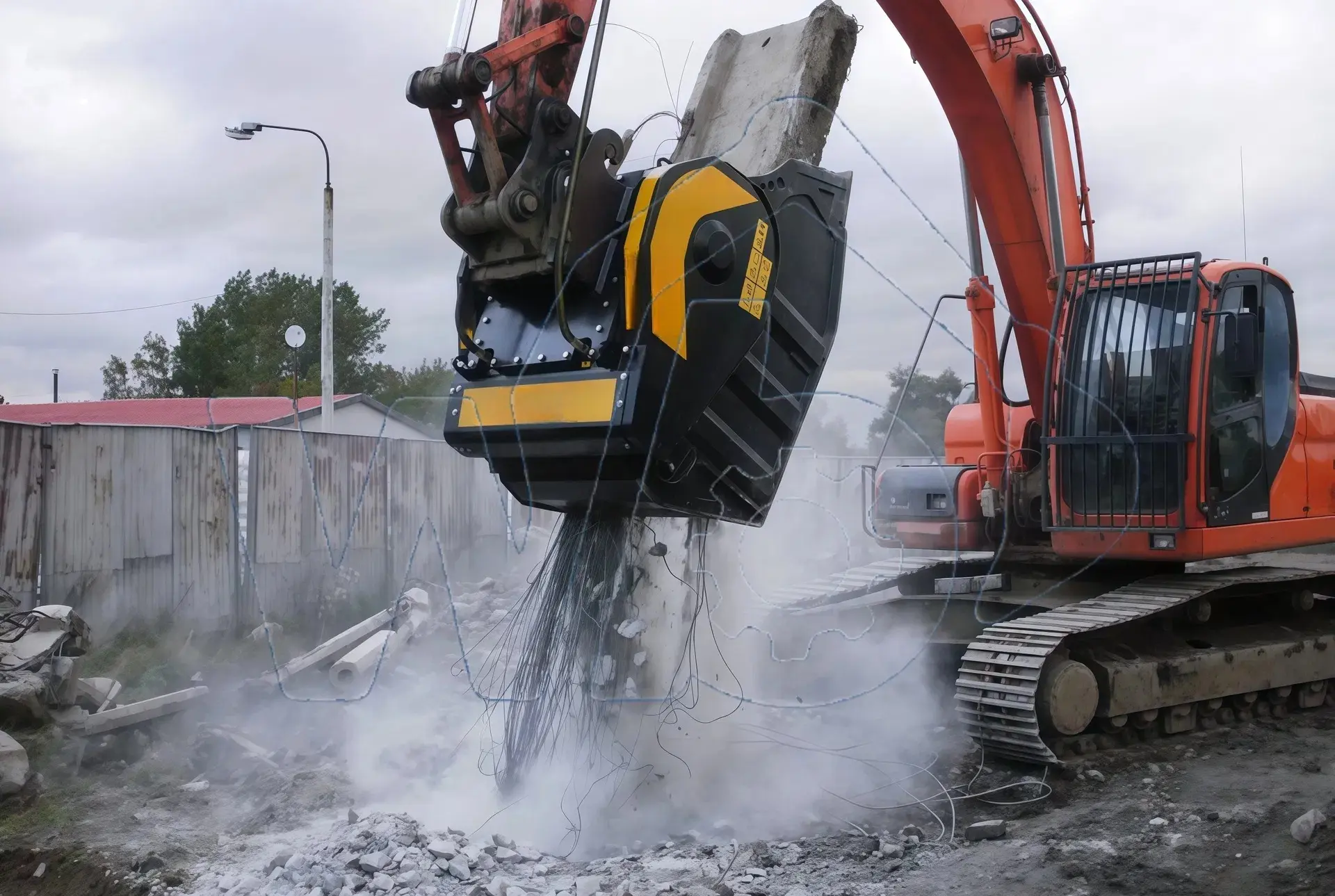
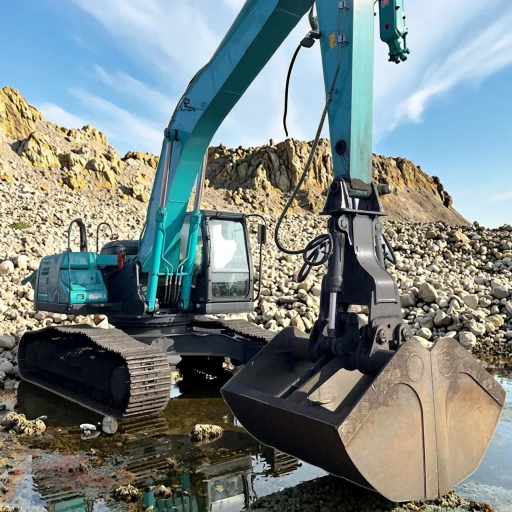
In modern demolition, mining, and urban construction, on-site crushing has become a critical step for improving efficiency and reducing costs. As a hydraulic attachment compatible with excavators and other heavy machinery, the crushing bucket enables direct processing of concrete, rocks, bricks, and various construction waste materials at the worksite. By eliminating the need to transport materials to stationary crushing facilities, it significantly saves time and transportation costs.
Key Features: Belt-Driven Design, Efficient and Stable
The crushing bucket introduced here adopts a belt-driven design, effectively reducing the impact of vibrations generated during crushing operations on the excavator’s hydraulic system, thereby extending equipment service life. Additionally, this product offers the following advantages:
Wide Opening Design, Enhanced Output: The increased width and height of the feed opening allow for processing larger materials, significantly improving crushing efficiency.
Stable Discharge, Consistent Quality: Even as the jaw plates gradually wear, the discharge particle size remains uniform and controllable, meeting various project requirements.
Easy Installation, Strong Adaptability: No complex modifications are required. It can be quickly installed using the excavator’s existing breaker pipelines, ready for immediate use.
Low Pressure, High Efficiency, Energy-Saving Operation: With only about 23 MPa of hydraulic working pressure, it achieves high-yield crushing while reducing equipment load and energy consumption.
Wide Range of Applications, Supporting Green Construction
This crushing bucket is suitable for various high-demand work scenarios:
Demolition Projects: Quickly crushes concrete and bricks from old buildings, bridges, and other structures, facilitating on-site sorting and removal.
Mining Operations: Breaks large rocks or ores into suitable sizes for easier processing and transportation.
Waste Recycling and Resource Recovery: Promotes on-site reuse of construction waste, reduces landfill volumes, and supports the circular economy.
Urban Construction and Renewal: Operates flexibly in space-constrained urban construction sites, enabling efficient crushing and material handling while minimizing impact on the surrounding environment.