Leave Your Message

China Top Metal Recycling Companies for Global Buyers

China has become a major sourcing destination for global buyers seeking reliable metal recycling partners. Its companies handle steel, aluminum, copper, brass, and specialized industrial scrap. Many operate near major ports, manufacturing centers, and processing zones. This structure can reduce transport distance and improve supply responsiveness.

As Ranjit Baxi, a former president of the Bureau of International Recycling, has said, “The recycling industry is a vital part of the circular economy.” That principle guides this overview of China’s leading Metal Recycling companies. The focus is practical: processing capacity, material quality, inspection systems, export experience, and communication standards.

A trustworthy supplier should provide clear material grades, recent test reports, production photographs, and traceable shipment records. Buyers should also review contamination controls, weighing procedures, packaging methods, and independent inspection options. A clean warehouse helps, but it proves little by itself. Documentation matters more.

No supplier is perfect. Unexpected moisture, mixed alloys, delayed samples, or inconsistent batches can still create pressure. Serious companies explain these risks instead of hiding them. They also confirm specifications before signing a purchase agreement. This guide therefore looks beyond company size and polished marketing. It considers how suppliers perform in real transactions, from the first inquiry to final delivery. Readers can use the following company profiles as a starting point, not a substitute for due diligence. Careful verification remains essential.
China Top Metal Recycling Companies for Global Buyers

China’s Metal Recycling Industry: Scope, Scale, and Market Structure

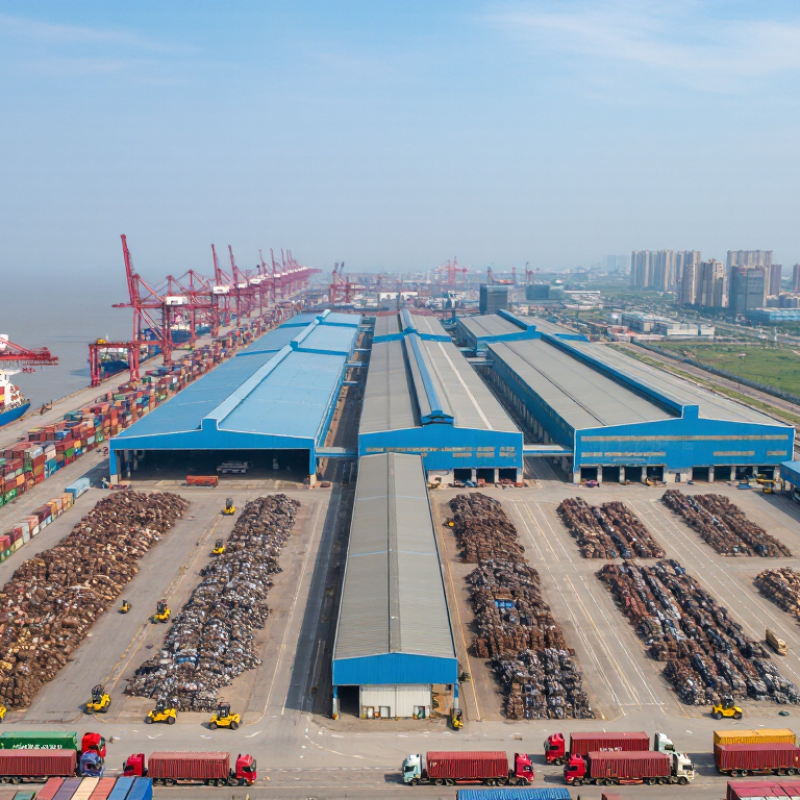
China’s metal recycling industry spans ferrous and non-ferrous materials. Its scope includes steel, copper, aluminum, zinc, and industrial production scrap. End-of-life machinery also supplies recoverable metal. At collection yards, workers remove plastics, rubber, and attached components. Magnetic belts separate steel quickly. Manual sorting still matters.

The market has several connected layers. Local collectors gather material from factories, construction sites, and dismantling facilities. Regional processors then sort, clean, shear, and compact the scrap. Larger plants may use furnaces, laboratory testing, and automated grading. Manufacturers purchase secondary metal for casting, rolling, and component production. Export-oriented traders often coordinate inspection, packaging, documentation, and shipping.

China’s scale comes from dense industrial clusters and steady manufacturing demand. This structure can shorten transport distances and support regular supply. However, quality varies between regions and suppliers. Reported grades may not match delivered material. Moisture, mixed alloys, and hidden attachments can change the final value. Public market data can also differ by definition and reporting period. That is an uncomfortable limitation. Buyers should request recent inspection records, clear specifications, weighing procedures, and chain-of-custody documents. Visiting a processing site remains useful, even when digital records look complete. Small gaps often reveal larger process weaknesses.


China’s Metal Recycling Industry: Scope, Scale, and Market Structure

Annual scrap steel consumption in China, 2020–2023

China’s scrap steel consumption reached approximately 243.3 million tonnes in 2023, indicating strong demand for recycled ferrous feedstock in electric-arc furnaces and integrated steelmaking. The figures represent domestic scrap steel consumption rather than individual companies’ sales or processing volumes.

Source: China Association of Metal Scrap Utilization, annual industry statistics.

Key Types of Metal Recycling Companies in China

China’s metal recycling sector includes several company types, each serving a different stage of the supply chain. Collection and sorting companies gather factory offcuts, obsolete equipment, and construction scrap. Their yards often use magnets, shears, weighing systems, and handheld analyzers. Material is separated into steel, aluminum, copper, stainless steel, and mixed grades.

Processing companies handle more demanding work. They shred, clean, bale, or granulate scrap before delivery to mills and foundries. Some specialize in non-ferrous metals, where copper purity and aluminum alloy composition require careful testing. Others focus on ferrous scrap and operate heavy shearing lines. Integrated recyclers may combine collection, processing, quality inspection, and international logistics under one management system.

There are also specialized companies serving electronics, machinery, and automotive manufacturers. They usually provide container planning, batch photographs, inspection reports, and traceability records. Reliable suppliers can explain their testing method, loading weight, moisture control, and documentation process clearly. Buyers should check whether the stated grade matches the physical cargo. A polished website is not enough. Some suppliers still depend on handwritten records, which can create avoidable errors. Digital tracking is better, but even digital data needs independent verification. On-site visits, sample testing, and clear contract terms remain practical safeguards for global buyers.

How to Evaluate Chinese Metal Recycling Suppliers

Evaluating a Chinese metal recycling supplier requires more than comparing prices. Start with the material source, processing capacity, and export experience. Request recent business certificates, operating permits, inspection records, and environmental management documents. Check whether the company owns its facility or uses outside processors. This detail can affect consistency, timing, and accountability.

Ask for clear specifications, including alloy grade, dimensions, moisture limits, packaging, and acceptable contamination levels. A reliable supplier should explain how materials are sorted, weighed, tested, and stored. Request sample reports from recognized laboratories, then compare them with an independent pre-shipment inspection. Small details matter. Photos should show readable scale displays, sealed containers, and identifiable batch numbers.

Communication also reveals operational strength. Test how quickly the supplier answers technical questions and handles a changed specification. Contact two recent overseas customers, where possible, and ask about delivery accuracy and claim resolution. Review the sales contract carefully. It should define inspection rights, tolerances, loading procedures, documents, and payment milestones. A factory visit can expose gaps that polished documents hide. Still, one visit proves little. I have found that even careful evaluations can miss seasonal quality changes, so trial orders and repeated inspections remain sensible.

China Top Metal Recycling Companies for Global Buyers - How to Evaluate Chinese Metal Recycling Suppliers

Evaluation Dimension What a Qualified Supplier Should Provide Recommended Buyer Verification Common Warning Signs Weight
Legal Identity and Ownership A valid Chinese business registration, unified social credit code, registered business scope, operating address and authorized sales representative. Check the supplier through China’s National Enterprise Credit Information Publicity System and compare the legal entity name across contracts, invoices and bank-account documents. Different names appear on the quotation, contract, invoice and payment instructions; the supplier refuses to disclose its registered legal entity. 10%
Export and Customs Compliance Experience with international shipments, accurate product descriptions, compliant customs documentation and the ability to support the buyer’s import requirements. Request redacted bills of lading, commercial invoices, packing lists and customs declarations from previous shipments. Confirm the correct HS classification with the customs broker. The supplier proposes inaccurate descriptions, undervaluation, unexplained third-party exporters or unusual requests for cash settlement. 12%
Environmental Authorization Applicable environmental approvals, pollution-control records and lawful operation of collection, sorting, processing and storage activities. Review permits, environmental assessment documents, inspection records and the facility address. For regulated materials, confirm whether additional hazardous-waste or recycling qualifications are required. Open-air burning, uncontrolled wastewater, mixed hazardous materials, poor storage conditions or reluctance to arrange a site audit. 12%
Material Grade and Specification A clear specification covering metal type, alloy or grade, size, moisture, attachments, foreign material, contamination limits and allowable tolerances. Use a signed specification sheet based on the buyer’s contract. Reference recognized industry specifications, such as ISRI specifications, where appropriate, and define acceptance and rejection procedures. Terms such as “high quality” or “clean material” are used without measurable limits, photographs, sample approval or agreed inspection criteria. 15%
Independent Testing and Inspection Representative sampling, weighing and testing for chemical composition, moisture, radioactive contamination and non-metallic content when relevant to the material. Require laboratory reports, calibration certificates and a mutually agreed pre-shipment inspection process. For alloy materials, verify composition with an XRF or equivalent method. Test reports are undated, unrelated to the shipment, issued by an unidentified laboratory or based only on supplier-selected samples. 10%
Traceability and Chain of Custody Batch or lot identification from incoming collection through sorting, processing, storage, loading and shipment. Request batch records, weighbridge tickets, processing photographs, warehouse logs and container-loading records. Match lot numbers with the packing list. The supplier cannot identify the source or production batch of the cargo, or frequently substitutes material after sample approval. 8%
Processing Capability Suitable equipment for cutting, baling, shredding, sorting, separation and safe storage according to the purchased material category. Conduct a video or physical audit and verify equipment capacity, maintenance records, production flow and storage capacity against the proposed monthly supply volume. The supplier relies entirely on unidentified subcontractors, cannot demonstrate processing equipment or offers volumes far above visible capacity. 8%
Shipment Reliability A documented record of on-time production, container booking, loading, export clearance and delivery communication. Ask for shipment references, production lead times, loading schedules and a written process for delays, shortages, demurrage and force-majeure events. Repeated changes to loading dates, unexplained delays, inconsistent container quantities or poor communication after receiving payment. 8%
Packaging and Container Loading Packaging appropriate to the material, secure loading, accurate gross and net weights, moisture protection where needed and safe distribution of cargo weight. Approve loading photographs, container-seal records, weight tickets and packing methods before shipment. Confirm requirements with the carrier and destination port. Overloaded containers, unsecured bundles, wet cargo, missing seals, inconsistent weights or unsafe mixed-material loading. 5%
Quality Management System Documented procedures for purchasing, incoming inspection, production, nonconformity control, corrective action and customer complaints. Review internal quality procedures and, where claimed, verify the validity and scope of ISO 9001 certification through the issuing certification body. Certification documents are expired, outside the supplier’s business scope or issued to a different legal entity. 5%
Commercial and Payment Controls Clear Incoterms, payment milestones, quality-assurance provisions, claims procedure, bank details and contract language covering specification variance. Use a written sales contract, confirm bank-account ownership and consider staged payments linked to inspection, loading and shipping-document milestones. Bank details change without formal notice, pressure for full prepayment or refusal to include material-quality remedies in the contract. 5%
Occupational Health and ESG Practices Basic worker-safety controls, personal protective equipment, fire prevention, emergency procedures and responsible handling of batteries, oils and other regulated residues. Review safety training records, emergency plans, incident history and environmental-management documentation. ISO 14001 certification may be considered as supporting evidence, not a substitute for legal permits. Exposed workers, blocked fire exits, unsafe stockpiles, leaking containers or unsegregated hazardous residues. 3%

Buyer scoring guidance: Score each dimension from 0 to 5, multiply by the listed weight and require critical compliance areas—legal identity, export compliance, environmental authorization and material specification—to pass independently before placing a commercial order.

Export Standards, Certifications, and Buyer Requirements

China’s leading metal recycling exporters serve buyers with varied quality and documentation needs. Reliable suppliers provide clear material grades, origin records, weighing reports, and recent inspection data. Common shipments include copper, aluminum, steel, and stainless steel scrap. Each lot should match the agreed specification, including alloy, size, moisture, and impurity limits.

Export compliance requires more than a sales contract. Buyers should request commercial invoices, packing lists, certificates of origin, and transport documents. Depending on the destination, customs may require recycling permits, environmental declarations, or specific waste classification records. ISO 9001 can support process control, but it does not prove every shipment is consistent. Independent pre-shipment inspection remains useful. In practice, small differences in alloy content can affect production costs. I have found that photographs alone often hide mixed pieces and excess moisture. That point deserves more attention.

Tips: Ask for a recent test report, not a template. Confirm the HS code with your customs adviser. Set tolerance limits in writing. Require sealed containers, labeled bundles, and weight records from certified scales. Keep a sample-retention process for disputed cargo. Mistakes happen. Clear evidence reduces arguments.

Sourcing and Partnership Considerations for Global Buyers

China’s top metal recycling companies often serve global buyers with strong processing capacity and export experience.

Yet capacity alone does not guarantee a reliable partnership. Buyers should verify material grades, recovery methods, monthly output, and quality controls before signing a contract. Request recent inspection records and representative samples. Small differences in alloy composition can affect melting performance and final product quality.

Traceability deserves close attention.

A dependable supplier should explain where materials originate, how they are sorted, and how contamination is controlled. Factory visits can reveal practical details that documents miss, such as storage conditions, scale calibration, and moisture protection. Independent testing also reduces uncertainty. It adds cost, but one failed shipment may cost much more. Compliance documents should match the destination market and shipment terms.

Partnership quality depends on communication as much as pricing.

Confirm payment stages, packaging standards, delivery schedules, dispute procedures, and responsibility for inspection fees. Use clear specifications with measurable tolerances. Keep written records of every change. A trial order is safer than a large first purchase. It tests responsiveness, consistency, and problem-solving under real conditions. No supplier is perfect. Buyers should question optimistic promises and review their own assumptions. Currency changes, port delays, and fluctuating scrap prices can disrupt even careful plans. A practical backup source may be necessary.