Leave Your Message
Recycling Equipment is a major investment, not just a purchase of individual machines. In 2026, global buyers face a crowded supplier market and very different operating conditions. A sorting line designed for clean packaging may struggle with wet, mixed material. The right choice depends on the feedstock, target output, site layout, and available technical support. Details matter.
This guide examines suppliers through practical questions: What materials can their systems process? How do they document capacity, energy use, and expected product quality? Can they provide commissioning, operator training, spare parts, and timely service in the buyer’s region? A polished brochure is useful, but it cannot replace verified references or a clear performance test. Ask for evidence.
Supplier comparisons also need context. A lower purchase price may bring higher maintenance costs, while a sophisticated line may exceed a facility’s actual needs. Buyers should review equipment specifications against realistic material samples, seasonal changes, and local operating constraints. Even careful estimates can miss something. That is worth admitting early.
The sections ahead outline key equipment categories, supplier evaluation criteria, and questions to raise before requesting a quotation. They are intended to help purchasing teams compare options consistently, identify gaps in supplier claims, and plan for long-term operation. No single supplier fits every project. Due diligence still matters.
2026 Top Recycling Equipment Suppliers for Global Buyers
What Recycling Equipment Suppliers Provide
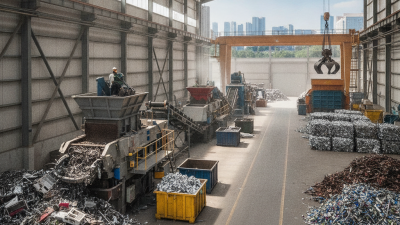
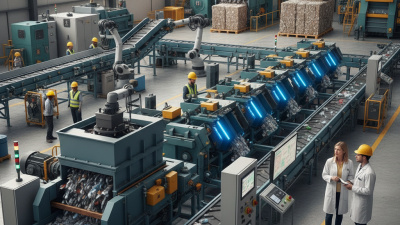
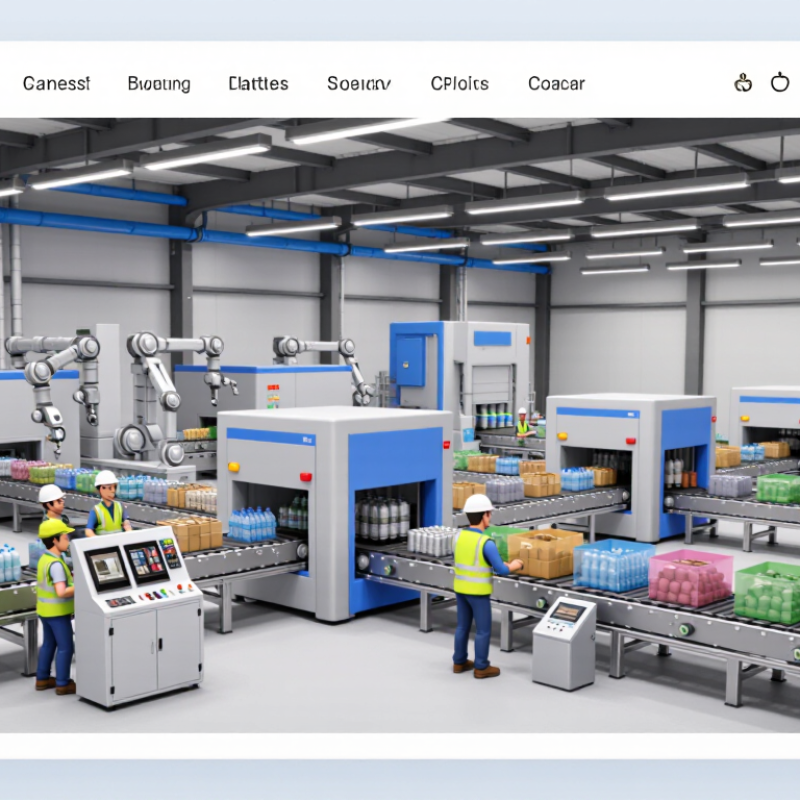
Recycling equipment suppliers provide more than individual machines. A project may need conveyors, screens, magnets, shredders, optical sorters, washing lines, and balers. The right combination depends on material type, contamination, available floor space, and target output. Small details matter: a narrow conveyor or poorly placed inspection point can slow an entire line.
The World Bank’s What a Waste 2.0 report estimated that global municipal solid waste reached 2.01 billion metric tons in 2016, with a projected 3.40 billion by 2050. That scale makes dependable equipment planning essential. Buyers should ask suppliers for throughput assumptions, sample-material trials, energy estimates, installation support, operator training, and spare-parts plans. Ask how performance changes when incoming material is wet or mixed. Real feedstock is rarely as tidy as a test sample.
Good suppliers also help match equipment to local operating conditions, including power supply and maintenance skills. Service matters. A technically impressive line is less useful if replacement parts take months to arrive. Still, no proposal removes every risk; buyers should check references and clarify performance guarantees before ordering.
| Supplier Category | Typical Equipment Provided | Common Material Applications | Typical Process Output | Services Buyers May Request | Key Specifications to Compare |
|---|---|---|---|---|---|
| Size-reduction equipment suppliers | Shredders, granulators, crushers, and material-feed systems | Plastics, wood, rubber, metals, electronic scrap, and mixed waste, subject to machine design | Reduced-size material for sorting, washing, further processing, or transport | Material testing, rotor or cutter selection, installation, spare parts, and operator training | Feed opening, rotor design, screen size, motor power, target particle size, and protection against contaminants |
| Baling and compaction equipment suppliers | Vertical and horizontal balers, compactors, and conveyor-fed systems | Cardboard, paper, plastic film, cans, and other compressible recyclables | Compressed bales or compacted loads for storage and shipment | Site assessment, bale-wire or strapping guidance, safety training, maintenance, and service support | Material type, feed method, bale dimensions, pressing force, cycle time, power supply, and site footprint |
| Sorting-system suppliers | Conveyors, screens, magnets, eddy-current separators, optical sorters, and picking stations | Municipal solid waste, packaging, metals, paper, plastics, and construction-and-demolition waste | Separated material streams, such as ferrous metals, non-ferrous metals, paper, or selected plastics | Process-flow design, sample trials, controls integration, commissioning, and ongoing optimization | Target materials, input composition, contamination levels, required separation stages, line layout, and verified performance tests |
| Plastic washing-line suppliers | Pre-wash units, friction washers, float-sink tanks, rinsing systems, and drying equipment | Selected plastic packaging and regrind, with the process configured for the resin and contamination | Washed plastic flakes or regrind for downstream processing | Feedstock trials, water-system planning, installation, commissioning, and process troubleshooting | Polymer type, label and dirt removal needs, water use, wastewater treatment, drying requirements, and product cleanliness targets |
| Plastic pelletizing and extrusion suppliers | Extruders, melt filtration, degassing systems, strand or water-ring pelletizers, and feeders | Prepared plastic flakes or regrind compatible with the selected extrusion process | Plastic pellets for manufacturing, subject to material quality and process settings | Material compatibility checks, equipment trials, die and filter selection, operator training, and technical support | Polymer and feedstock condition, moisture, contamination, filtration level, output requirements, and pellet quality criteria |
| Organic-waste processing suppliers | Shredders, screens, depackaging equipment, mixers, and composting or digestion pre-treatment systems | Food scraps, green waste, and selected organic fractions, depending on local rules and system design | Prepared organic feedstock, compost, or biogas-process input, depending on the installed process | Feedstock assessment, odor-control planning, process integration, commissioning, and maintenance support | Input contamination, particle size, moisture, throughput requirements, odor control, and applicable environmental permits |
| Integrated recycling-plant suppliers | Combination of conveying, size reduction, screening, separation, washing, and controls | Defined waste streams such as packaging, mixed recyclables, construction waste, or selected plastics | One or more recovered material streams designed around the project specification | Layout and engineering, equipment coordination, installation, commissioning, training, and service planning | Feedstock characterization, guaranteed test conditions, site utilities, plant footprint, safety requirements, and local compliance |
Supplier categories are presented for comparison and are not a ranked list of named companies. Equipment configuration and performance depend on feedstock, operating conditions, site utilities, and project requirements; buyers should confirm specifications through material trials and written proposals.